
You know, when I first saw ARGB lighting in PC builds, I thought it was just another flashy gimmick—until I actually tried it. What truly sets ARGB apart isn’t just the rainbow colors, but how it transforms your setup into something that feels alive. Unlike traditional RGB lighting with its limited static or cycling modes, ARGB (Addressable RGB) gives you pixel-level control over every single LED. Imagine syncing your cooling fans to change colors based on CPU temperature, or having your case lighting pulse in rhythm with your music—that’s the kind of dynamic interactivity that makes ARGB genuinely special.
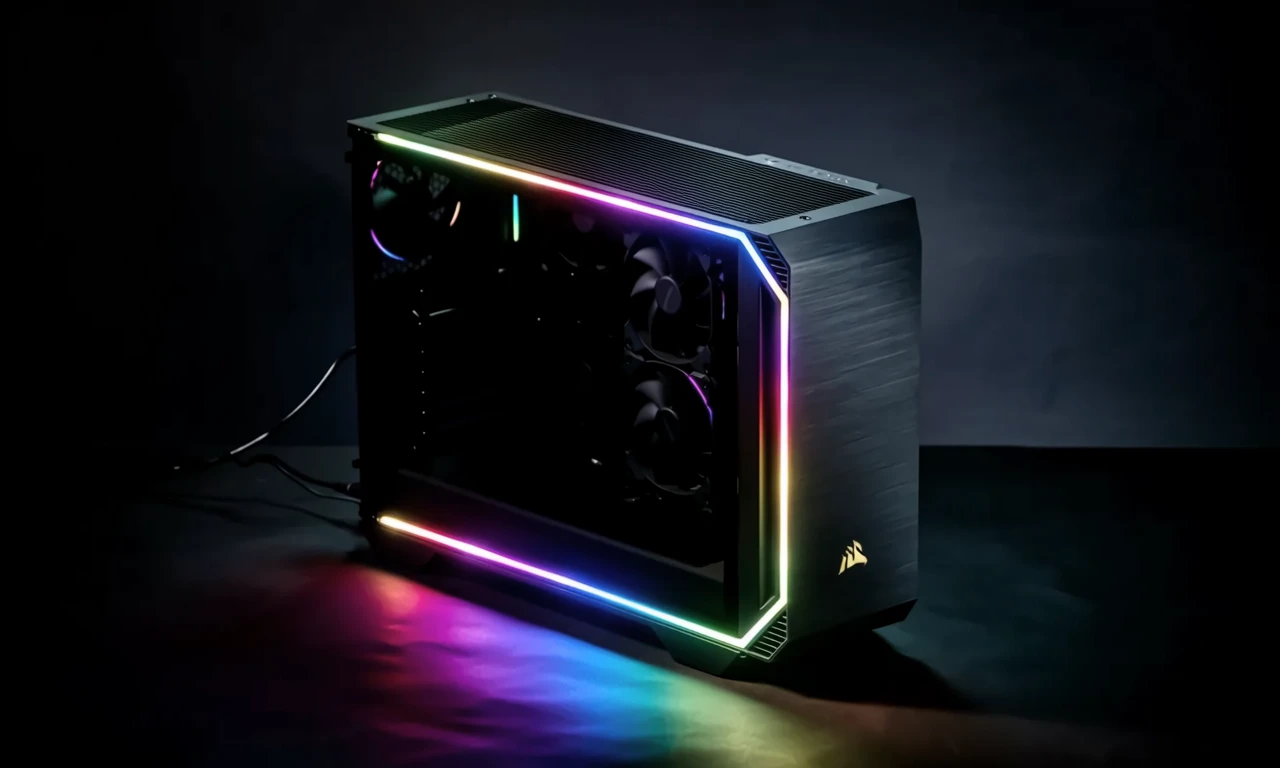
The technology behind ARGB is surprisingly sophisticated. Each LED can be individually programmed using 5V 3-pin headers and controllers compatible with software like Razer Chroma or motherboard utilities from ASUS, MSI, and others. This granular control opens up creative possibilities that static lighting simply can’t match. I’ve seen builds where lighting patterns visually represent system load, or where color gradients flow across components like digital waterfalls. It’s this level of customization that turns PC building from a technical hobby into an artistic expression.
More Than Just Aesthetics
What many people overlook is how ARGB serves functional purposes beyond looking cool. In the SilverStone Shark Force 160 we discussed earlier, the ARGB implementation isn’t just for show—it enhances the user experience through intelligent lighting cues. Some enthusiasts program their ARGB setups to shift from blue to red as temperatures rise, creating an intuitive visual warning system. Others use lighting patterns to indicate fan speeds or system status without needing to check software monitors. This functional dimension adds genuine value that goes beyond mere decoration.
The community aspect of ARGB culture is another fascinating element. Online forums and social media platforms are filled with users sharing their custom lighting profiles and effects. There’s something genuinely exciting about downloading someone else’s lighting scheme and seeing your entire setup transform with colors and patterns you’d never have thought of yourself. This shared creativity has created a vibrant ecosystem where manufacturers frequently update their software with new effects inspired by community innovations.
Looking forward, ARGB technology continues to evolve in surprising ways. We’re seeing integration with game engines where in-game events trigger lighting changes, and voice control compatibility that lets you adjust lighting with simple commands. The technology has come so far from the basic color cycling of early RGB implementations. While some might dismiss it as unnecessary, those who’ve experienced well-implemented ARGB lighting understand it’s about personalization and creating a setup that truly feels like your own creation.
Comment List (3):
Load More Comments Loading...