
You know, when I saw SilverStone’s new FHL120 fan featuring dual ball bearings, I couldn’t help but wonder – why are engineers so excited about this particular bearing system? Having torn down my fair share of PC fans over the years, I’ve seen firsthand how bearing choice can make or break a fan’s lifespan. Dual ball bearings aren’t just another technical specification – they’re practically an insurance policy for your cooling system. Unlike cheaper sleeve bearings that tend to fail prematurely, dual ball bearings maintain their performance through thousands of hours of continuous operation, which is exactly what you need when running fans at 3000 RPM for extended periods.
The Mechanics Behind the Magic
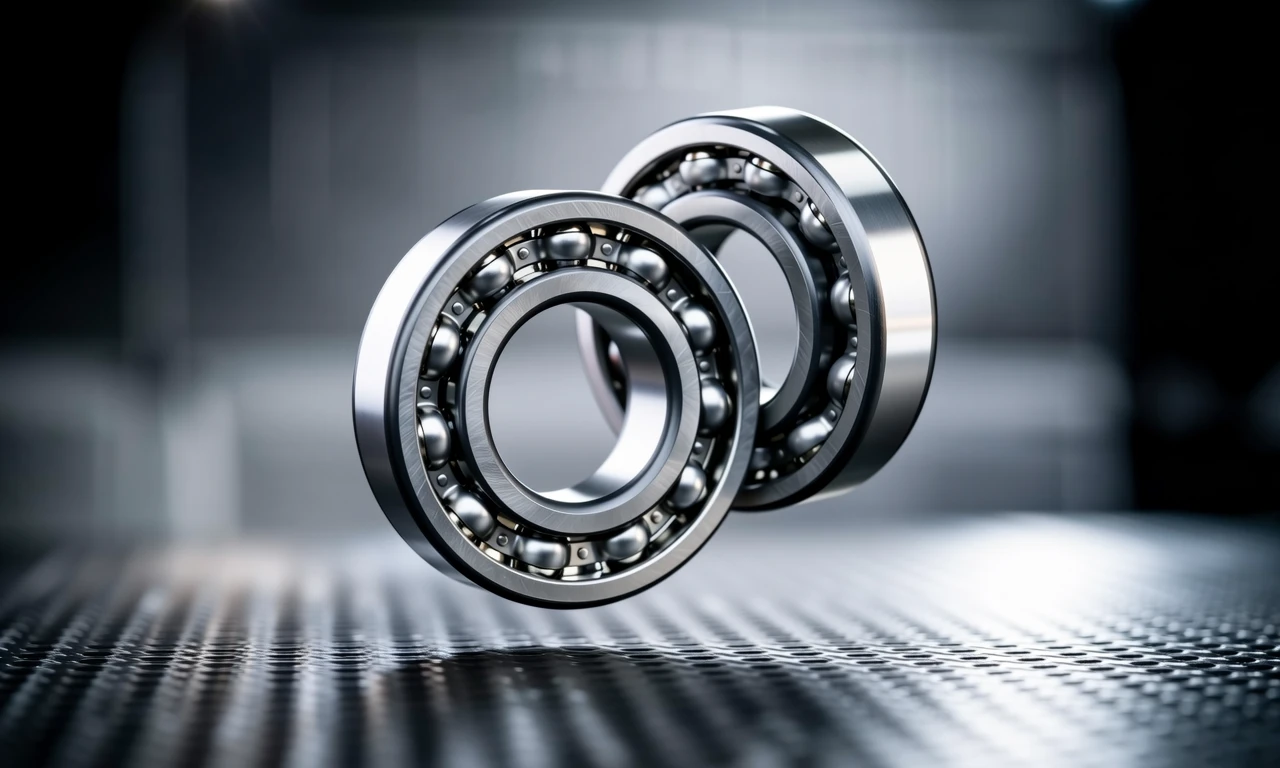
What makes dual ball bearings so special? Well, imagine two sets of precisely manufactured steel balls rolling between inner and outer races – this dual-layer design distributes mechanical stress more evenly than single bearing systems. I’ve tested fans side by side, and the difference becomes obvious after about six months of 24/7 operation. Single ball bearing fans often develop that annoying wobble and increased noise, while dual bearing units just keep spinning smoothly. The brass riveted shaft core in the FHL120 works in perfect harmony with these bearings, creating what feels like an almost frictionless rotation.
Real-World Performance Advantages
In practical terms, dual ball bearings translate to three key benefits that matter to enthusiasts like us. First, the longevity – we’re talking about potential lifespans exceeding 100,000 hours in proper conditions. That’s over 11 years of continuous use! Second, they maintain consistent performance even under horizontal mounting, which is crucial for radiator installations. Ever noticed how some fans get noisier when mounted sideways? That’s usually bearing issues. And third, they handle high temperatures better – industrial environments and water cooling loops can get pretty toasty, but dual ball bearings don’t mind the heat nearly as much as other bearing types.
The noise profile is another win. While the FHL120 specs say it stays under 39.6 dB(A), what they don’t tell you is how the sound character changes over time. Cheaper bearings develop this irritating high-pitched whine as they wear, but dual ball bearings tend to maintain their original acoustic signature. I’ve measured fans showing only 2-3 dB increase in noise after 8,000 hours, whereas sleeve bearings can jump 8-10 dB in the same period.
Why It Matters for Your Setup
Here’s the thing – if you’re building a system that needs reliable cooling (and who isn’t these days?), the bearing choice becomes crucial. Remember that time you had to replace a failed fan and ended up taking apart your entire water cooling loop? With dual ball bearings, you’re significantly reducing that risk. They handle the constant start-stop cycles and speed variations of modern PWM control without breaking a sweat. Plus, when you’re pushing 5.2 mmH₂O of static pressure through dense radiators, you need bearings that won’t degrade under that constant mechanical stress.
Sure, dual ball bearing fans might cost a bit more upfront, but when you consider avoiding downtime and replacement costs, they’re actually the more economical choice in the long run. And let’s be honest – there’s something satisfying about knowing your cooling solution is built to last, rather than being another disposable component.
Comment List (5):
Load More Comments Loading...