
You know, when I first heard about the ROG STRIX XF120’s claim of 400,000 hours lifespan, I actually paused to do the math – that’s over 45 years of continuous operation! It really makes you wonder what engineering magic goes into making PC cooling fans withstand the test of time. We often focus on flashy specs like RGB lighting or maximum RPM, but durability is what truly separates premium fans from the disposable ones that start rattling after just a year of use.
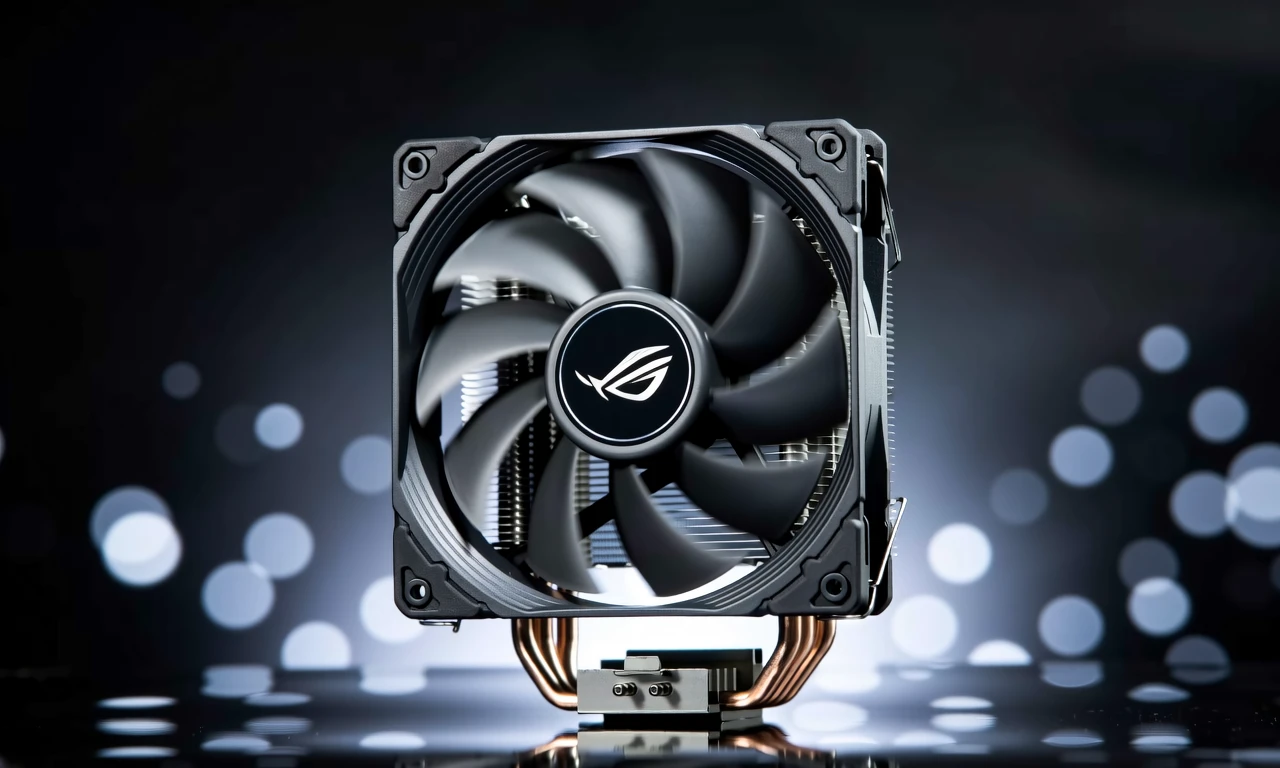
The Heart of Longevity: Bearing Technology
Looking at the STRIX XF120’s magnetic levitation technology, it’s fascinating how bearing design directly impacts durability. Traditional sleeve bearings might last 30,000 hours while hydraulic bearings push that to 40,000-50,000 hours, but magnetic levitation? That’s a whole different ball game. By eliminating physical contact between moving parts, maglev systems reduce friction to near-zero levels. I’ve seen fans with conventional bearings develop that annoying wobble after just a couple years, but maglev technology essentially prevents the mechanical wear that causes this degradation. It’s not just marketing fluff – the physics behind magnetic repulsion genuinely creates a more robust system.
Materials Matter More Than You Think
The STRIX XF120’s use of glass-reinforced PBT plastic for its blades isn’t just about performance – it’s a durability choice. Regular plastic blades can warp under constant heat exposure inside your case, especially near radiators where temperatures can spike. Glass reinforcement maintains structural integrity while being surprisingly lightweight. And those anti-vibration mounts? They’re not just for noise reduction – they prevent stress fractures at mounting points, which is a common failure point I’ve noticed in cheaper fans. It’s these little details that often get overlooked but make all the difference in long-term reliability.
Real-World Testing Tells the True Story
ASUS’s 5-year warranty speaks volumes about their confidence, but what really impresses me is how these engineering choices play out in actual use. I’ve seen fans that perform great initially but develop bearing noise after thermal cycling – you know, that annoying whine that appears when your system heats up and cools down repeatedly. The STRIX XF120’s wide temperature range tolerance (-10°C to 70°C according to their specs) suggests they’ve accounted for this real-world abuse. And let’s be honest – how many of us actually clean our PCs as often as we should? Dust accumulation is another silent killer of fan longevity, but better-sealed motors and blade designs can resist this gradual degradation.
What strikes me most is how durability isn’t just one feature – it’s the culmination of smart engineering choices across bearing systems, materials, and construction quality. While we gamers might upgrade our systems every few years, knowing our cooling components can outlast multiple builds? That’s peace of mind worth paying for. The STRIX XF120 might cost more upfront, but when you calculate cost per year of reliable operation, premium fans often become the more economical choice in the long run. Now if only they could make them completely dust-proof – now that would be the ultimate durability upgrade!
Comment List (8):
Load More Comments Loading...