
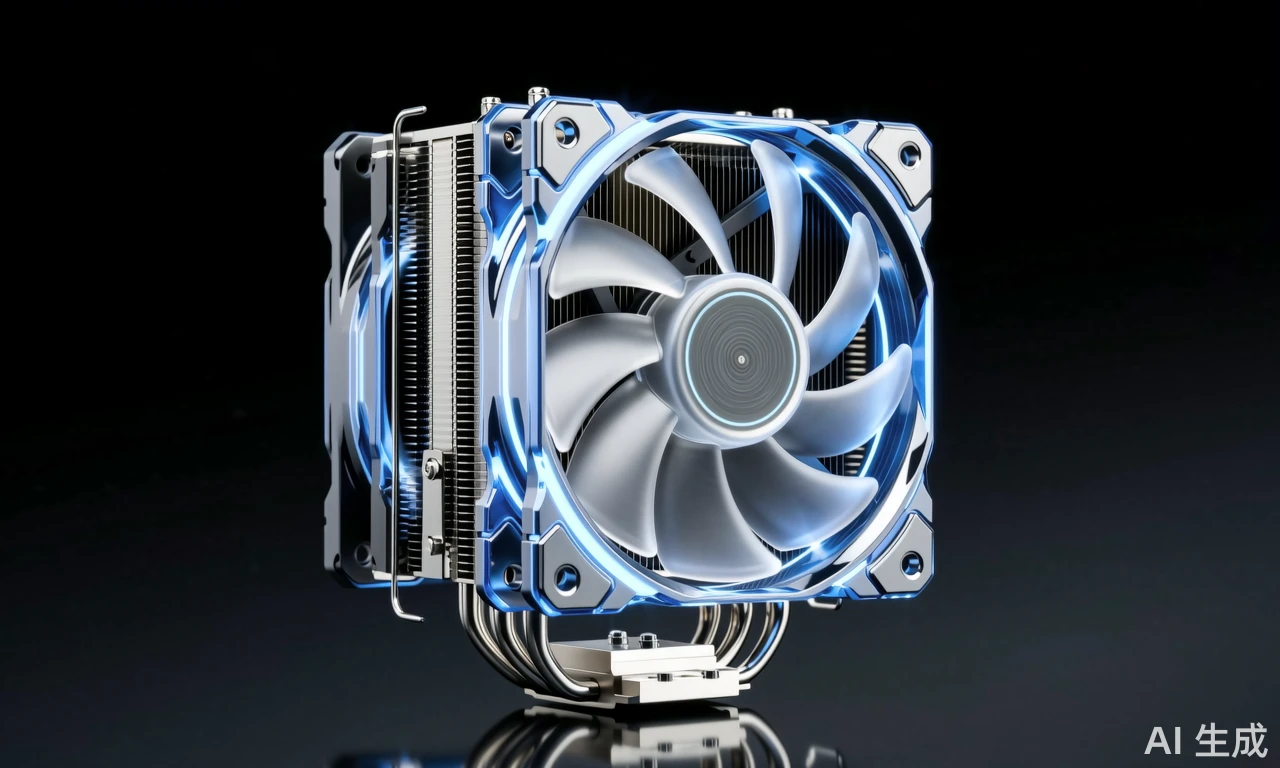
You know, when I first heard about hydraulic bearings in PC fans, I honestly thought it was just another marketing gimmick. But then I looked at that Thermaltake Riing Trio 20 RGB spec sheet – 40,000 hours of lifespan and just 28 dB noise level? That’s when I realized there’s some serious engineering behind this technology. What makes hydraulic bearings so special compared to traditional sleeve or ball bearings? Well, it’s all about how they handle friction and heat – two of the biggest enemies of fan performance.
The Science Behind Hydraulic Bearing Efficiency
Traditional sleeve bearings tend to wear out faster because they rely on direct metal-to-metal contact. Hydraulic bearings, on the other hand, create this clever little oil reservoir system that continuously lubricates the rotating parts. I was surprised to learn that the lubricant in hydraulic bearings doesn’t just reduce friction – it actually forms a protective film that prevents the shaft from directly touching the bearing surface. This means less mechanical wear and significantly quieter operation. Think about it: when your fan is spinning at 1000 RPM, that’s a lot of potential friction points being eliminated!
What really impressed me was how hydraulic bearings handle thermal expansion. As fans heat up during operation, traditional bearings can experience performance degradation. But hydraulic systems are designed to accommodate thermal changes much better – the lubricant expands and contracts with temperature fluctuations, maintaining that crucial protective layer. This explains why the Riing Trio 20 can maintain consistent performance even during extended gaming sessions when your system temperature starts climbing.
Real-World Performance Impact
Looking at that 123 CFM airflow rating on the Thermaltake fan, you might wonder how much the bearing type contributes to that number. From what I’ve observed, hydraulic bearings allow for tighter tolerances in the fan assembly, which means less air leakage and more efficient airflow. The reduced vibration is another huge factor – those anti-vibration rubber pads work much more effectively when the bearing itself isn’t creating excessive shaking. It’s like having better shock absorbers in a car – the whole system just runs smoother.
The longevity aspect is what really sells me on hydraulic bearings. 40,000 hours translates to over 4.5 years of continuous operation! I’ve had cheaper fans fail after just a year or two, but hydraulic bearings with their self-lubricating design and sealed chambers dramatically extend the fan’s operational life. That sealed cap preventing lubricant leakage is such a simple yet brilliant solution to a common problem with traditional bearings.
Honestly, once you experience the difference hydraulic bearings make – particularly that whisper-quiet 28 dB operation at full speed – it’s hard to go back to conventional options. The technology might not be as flashy as RGB lighting, but it’s definitely one of those under-the-hood improvements that genuinely enhances your PC building experience.
Comment List (4):
Load More Comments Loading...