
You know, when Thermaltake announced their new Riing Plus 20 RGB fans, it got me thinking—we’re truly living in the smart device era where even our PC cooling systems can talk back to us! I mean, who would’ve thought a decade ago that we’d be controlling our computer fans through voice commands and mobile apps? It’s fascinating how these seemingly simple components have evolved into sophisticated cooling solutions that not only keep our rigs running cool but also integrate seamlessly into our connected lifestyles. The real game-changer here isn’t just about moving air efficiently—it’s about how smart technology transforms our entire approach to PC temperature management.
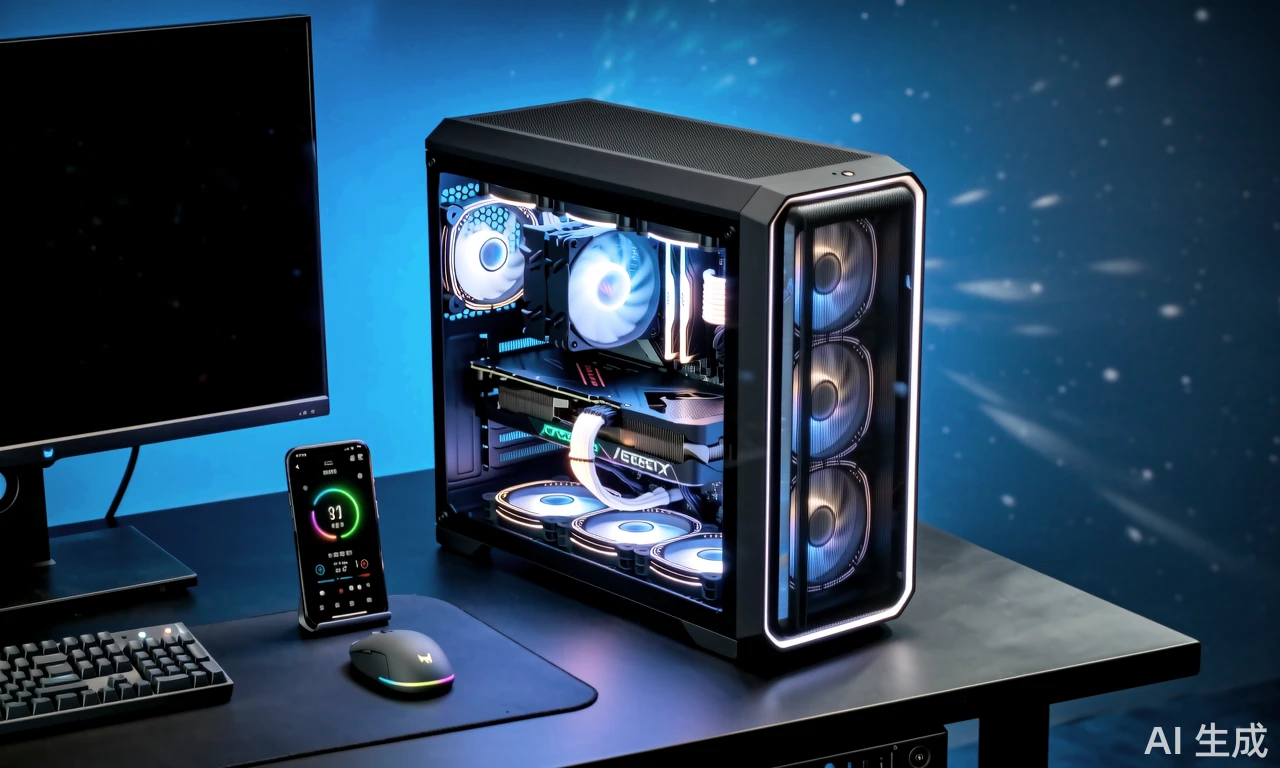
The Smart Cooling Revolution: Beyond Basic Fan Control
Remember when controlling PC fans meant either setting static speeds in BIOS or dealing with clunky physical controllers? Those days are rapidly fading, and honestly, good riddance! Modern smart cooling solutions like Thermaltake’s ecosystem demonstrate how far we’ve come. What makes the Riing Plus 20 particularly interesting is how it bridges the gap between raw cooling performance and intelligent automation. The fan’s ability to automatically adjust its speed from 500 to 1000 RPM based on system temperatures isn’t just convenient—it’s genuinely smart thermal management that responds to your actual computing needs rather than running at fixed speeds.
And let’s talk about that 118 CFM airflow rating for a moment—that’s serious cooling power, but what’s really impressive is how it achieves this while maintaining noise levels below 30 dBA. That’s quieter than most office environments! The integration of hydraulic bearings and anti-vibration pads shows that smart cooling isn’t just about software—it’s about hardware engineering that works in harmony with intelligent control systems.
Voice Control and Automation: The Future is Here
Here’s where things get really exciting—imagine telling your PC to “cool down” during an intense gaming session and having your fans actually respond! Thermaltake’s compatibility with Amazon Alexa opens up some genuinely practical scenarios. Picture this: you’re working on a complex 3D rendering project, and instead of constantly monitoring temperatures, you can simply ask Alexa about your system’s thermal status or set up automatic profiles that kick in when certain applications launch. It’s not just about convenience; it’s about creating a responsive computing environment that adapts to your workflow.
The weather-based alert feature is particularly clever—having your fans glow red when temperatures spike or turn blue during normal operation provides at-a-glance system monitoring that’s both functional and visually appealing. This kind of contextual awareness transforms cooling from a background process into an interactive experience.
Integration Challenges and Real-World Performance
Now, I won’t pretend that setting up smart cooling systems is always plug-and-play perfect. There can be compatibility issues, especially when mixing components from different manufacturers, and the learning curve for some control software can be steep. However, when everything clicks—like with Thermaltake’s TT RGB Plus ecosystem—the results are worth the initial setup effort. The ability to create custom cooling curves that respond to specific components’ temperatures rather than just CPU or GPU readings represents a significant advancement in precision cooling.
What’s particularly impressive about the 200mm design is how it changes the airflow dynamics in larger cases. The larger blade surface area means it can move more air at lower RPMs, which translates to quieter operation while maintaining excellent cooling performance. This is crucial for workstation builds where both thermal performance and acoustic comfort matter.
The 40,000-hour lifespan at 25°C is another aspect that often gets overlooked—that’s over four years of continuous operation! This reliability factor becomes increasingly important as we rely more on automated systems that we expect to work consistently without constant maintenance.
Looking Ahead: The Smart Cooling Ecosystem
As we move forward, I suspect we’ll see even deeper integration between cooling systems and other smart home devices. Imagine your PC fans automatically adjusting when your smart thermostat detects rising room temperatures, or coordinating with your smart plugs to optimize power consumption during intensive tasks. The potential for creating truly intelligent thermal management systems that consider both internal component temperatures and external environmental factors is enormous.
The transition to smart PC cooling represents more than just technological progress—it’s about creating systems that work with us, adapt to our needs, and ultimately make our computing experiences more enjoyable and efficient. While products like the Riing Plus 20 RGB are leading the charge, I’m genuinely excited to see how other manufacturers will respond and what new innovations will emerge in this rapidly evolving space.
Comment List (12):
Load More Comments Loading...