
You know, when I first heard about hydraulic bearing technology in PC fans, I’ll admit I was skeptical. I mean, how much difference can a bearing really make? But after seeing it in action in products like Thermaltake’s TOUGHFAN 12 Pro, I’ve come to appreciate just how crucial this component is. Think about it – that tiny bearing is responsible for keeping your fan spinning smoothly, quietly, and reliably for years. It’s the unsung hero that makes or breaks your cooling performance.
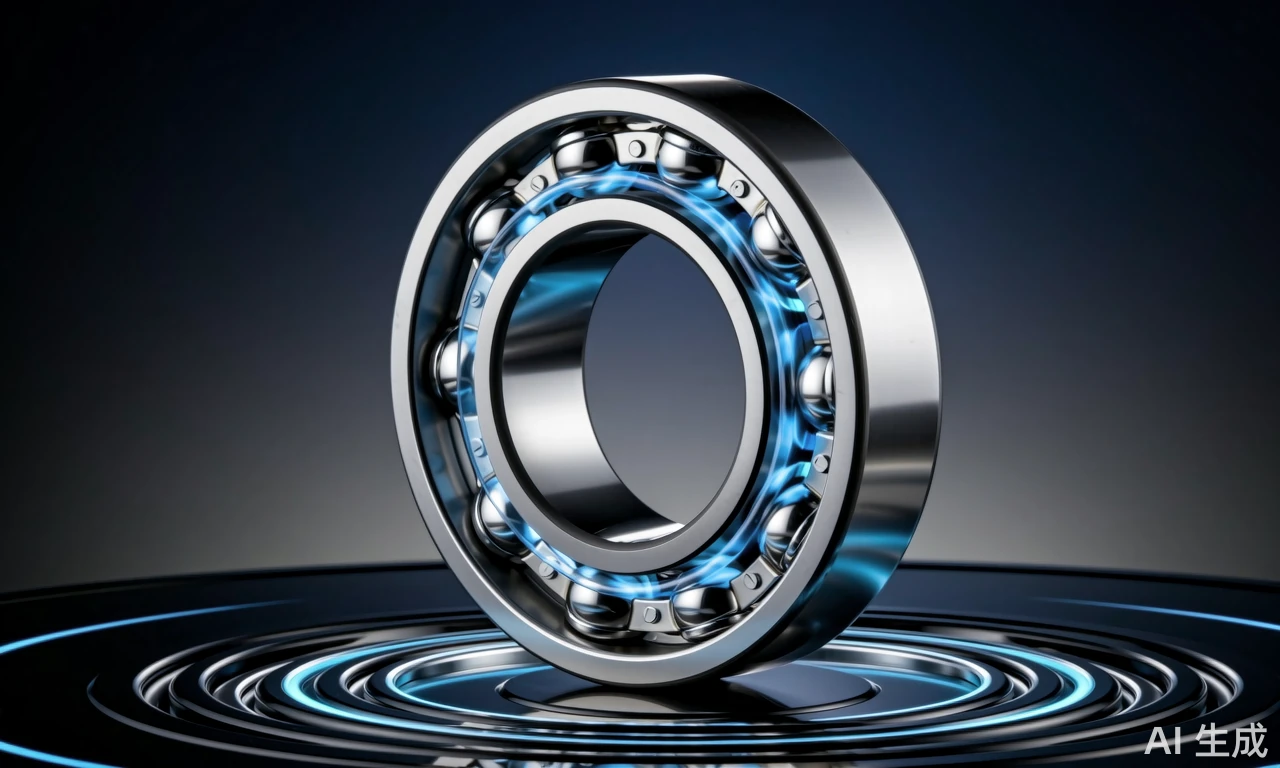
So what exactly makes hydraulic bearings so special? Unlike traditional sleeve bearings that rely on simple metal-on-metal contact, hydraulic bearings create a thin film of lubricant that completely separates the rotating shaft from the stationary housing. This fluid dynamic principle is actually quite brilliant – it’s like the fan is floating on a cushion of oil rather than grinding against metal surfaces. The result? Significantly reduced friction, which translates to lower noise levels and longer lifespan. I’ve seen some hydraulic bearings rated for 40,000 hours or more – that’s over four and a half years of continuous operation!
The Evolution of Hydraulic Bearing Design
What really fascinates me about modern hydraulic bearings, like the Gen.2 version in Thermaltake’s fan, are the clever engineering refinements. Manufacturers have added features like etched grooves on the shaft that work like tiny reservoirs to retain lubricant. This is crucial because one of the main failure points in traditional bearings is lubricant evaporation or migration over time. With these micro-grooves, the oil stays where it’s needed most, maintaining that perfect fluid barrier even after thousands of hours of use.
The practical benefits are immediately noticeable when you compare hydraulic bearings to alternatives. Ball bearings, while durable, can develop that annoying clicking sound as they wear. Sleeve bearings might start quietly but often degrade faster. Hydraulic bearings hit that sweet spot – they’re whisper-quiet from day one and stay that way. In the TOUGHFAN 12 Pro’s case, we’re talking about noise levels as low as 18.3 dB-A in quiet mode. That’s quieter than a library reading room!
What many people don’t realize is how hydraulic bearing technology contributes to overall system stability. When a fan bearing wears out or develops play, it can cause vibrations that affect other components. I’ve seen cases where bearing failure led to resonance issues that actually damaged hard drives. With hydraulic bearings maintaining consistent performance over their entire lifespan, you eliminate this risk factor entirely.
Looking at the bigger picture, hydraulic bearing technology represents a perfect marriage of mechanical engineering and fluid dynamics. It’s one of those innovations that seems obvious in hindsight – why wouldn’t you want to replace friction with fluid dynamics? Yet it took years of refinement to get the manufacturing tolerances and lubricant formulations just right. Now that the technology has matured, we’re seeing it become the gold standard for high-performance cooling applications where reliability and silence are non-negotiable.
Comment List (14):
Load More Comments Loading...