
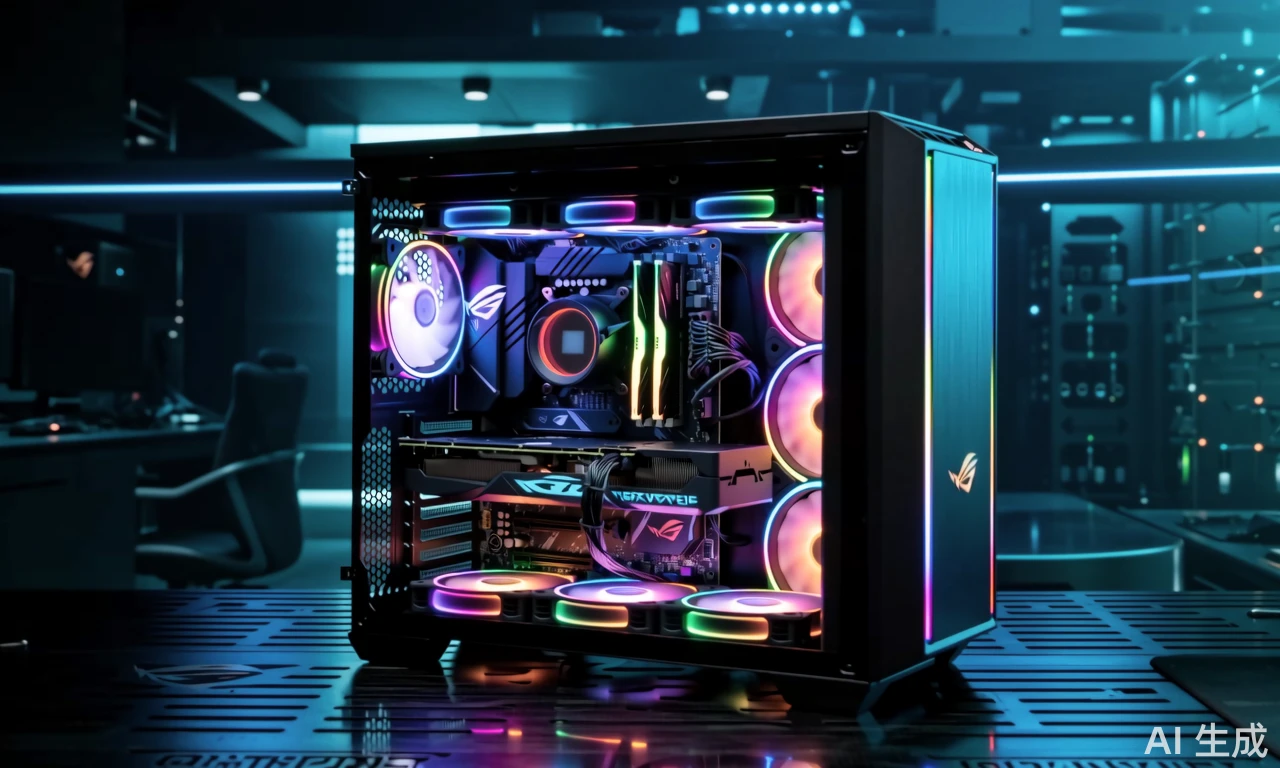
You know, it’s fascinating how RGB lighting has become almost synonymous with gaming PCs. I remember when building a gaming rig was all about raw performance specs, but now it feels like the visual experience is just as important. Thermaltake’s new Riing Trio 20 RGB fan with its triple LED rings perfectly illustrates this shift – it’s not just about cooling anymore, but about creating an immersive visual environment. What’s really driving this RGB obsession in the gaming community? Is it just about looking cool, or is there something deeper going on?
The Psychology Behind RGB Appeal
There’s actually some interesting psychology at play here. RGB lighting taps into our natural attraction to colorful, dynamic visuals – it’s why we love fireworks and neon signs. For gamers, customizable lighting creates a personal connection to their setup. When you spend hours gaming, your PC becomes an extension of your personality. Being able to match your lighting to your mood, favorite colors, or even in-game events makes the experience more personal. I’ve noticed many gamers treat their RGB setups like digital mood rings, changing colors based on whether they’re playing competitive shooters or relaxing RPGs.
The social aspect can’t be ignored either. In an era where streaming and content creation are huge, RGB lighting provides that professional, eye-catching backdrop that makes streams more engaging. Viewers love seeing those synchronized color shifts reacting to gameplay – it adds another layer of entertainment. Thermaltake’s voice control integration takes this even further, letting streamers change their setup’s mood without breaking immersion.
More Than Just Aesthetics
While RGB lighting definitely enhances visual appeal, there are some practical benefits that often get overlooked. Take Thermaltake’s approach with 60 addressable LEDs – this level of granular control actually serves functional purposes beyond looking pretty. Many gamers use specific color schemes to indicate system status: blue for normal operation, red when temperatures rise, or rainbow patterns during intensive gaming sessions. It becomes a quick visual reference for what’s happening inside the case.
The customization potential has exploded recently. With ecosystems like TT RGB PLUS supporting synchronization across multiple components, you’re not just lighting up fans anymore. Your entire setup – from keyboard to cooling system – can work in harmony. This level of integration was unheard of just a few years ago. Now, having 16.8 million color options per LED ring isn’t just showing off; it’s about achieving that perfect shade that matches your entire gaming environment.
The Future of RGB in Gaming
Looking at products like the Riing Trio 20, it’s clear RGB technology is evolving beyond simple decoration. The triple-ring design creating depth and dimensionality? That’s addressing our desire for more sophisticated visual experiences. We’re moving past the basic rainbow cycles into something that feels more organic and immersive.
What really excites me is how RGB is becoming smarter. Voice control through Amazon Alexa and integration with gaming ecosystems like Razer Chroma suggests we’re heading toward lighting that responds intelligently to our gaming habits. Imagine your entire setup automatically adjusting colors based on the game you launch or your performance metrics. That’s where this is all heading – from passive decoration to active participant in the gaming experience.
The popularity of RGB lighting isn’t just a passing trend – it’s become an integral part of gaming culture. As technology advances, we’ll likely see even more innovative applications that blend aesthetics with functionality. The question isn’t really why RGB is so popular, but rather how we ever gamed without it.
Comment List (14):
Load More Comments Loading...