
You know, when I first heard about ARGB lighting, I thought it was just another fancy acronym in the PC building world. But as I dug deeper, I realized it’s actually a game-changer for custom PC aesthetics. ARGB stands for Addressable RGB, and the key difference lies in that word “addressable.” Unlike traditional RGB where all LEDs display the same color at once, ARGB lets you control each individual LED independently. It’s like having a whole orchestra where you can direct each musician separately, rather than just telling the whole group to play the same note.
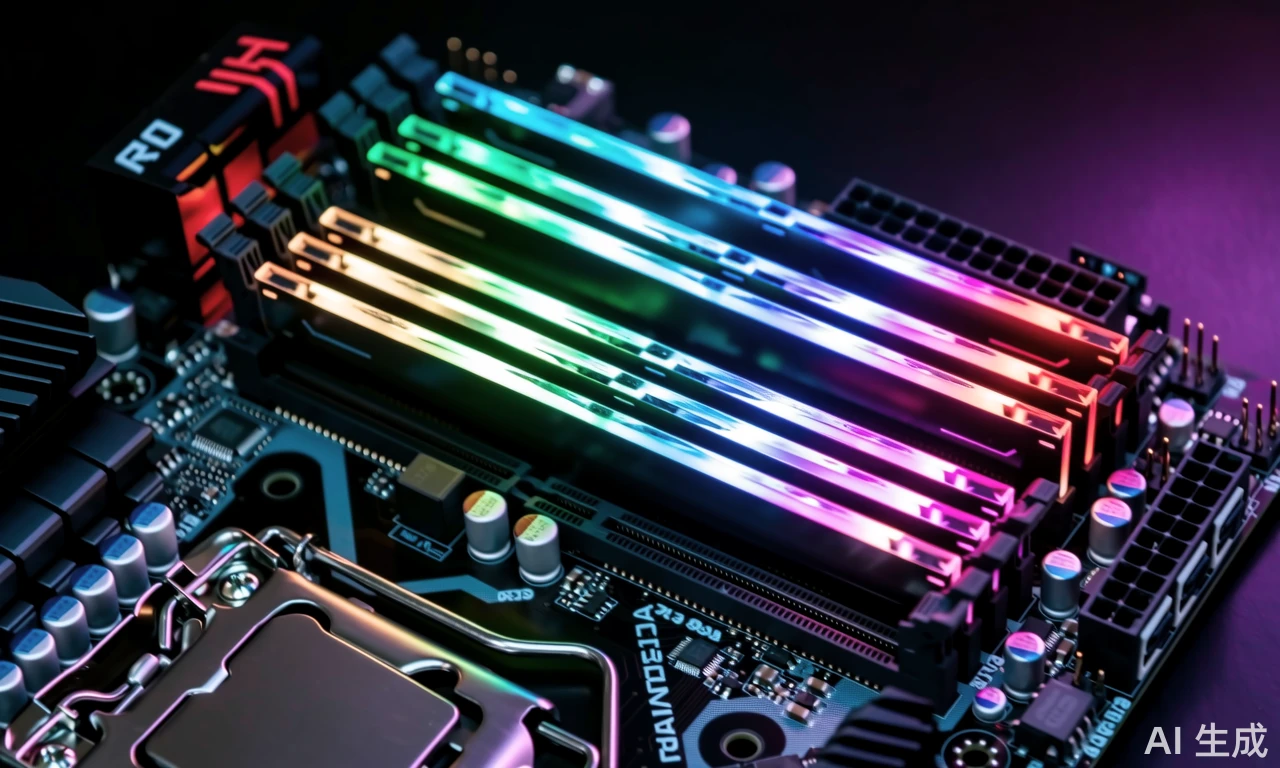
The Technical Magic Behind ARGB
What makes ARGB technology so special is how it communicates with your components. These lighting systems typically use a 3-pin 5V connector that sends data signals to each LED chip individually. I remember being amazed when I first saw an ARGB strip in action – watching colors ripple across the LEDs in perfect sequence felt almost magical. The technology allows for effects that traditional RGB simply can’t achieve, like rainbow waves, color shifting patterns, and even animated designs that dance across your components.
The practical benefits extend beyond just looking pretty, though. Many modern motherboards from brands like ASUS, MSI, and Gigabyte come with dedicated ARGB headers and software control. This means you can sync your entire system’s lighting through a single interface. I’ve personally found that being able to match my CPU cooler, case fans, and even RAM lighting creates a much more cohesive look than the mismatched rainbow puke you sometimes see with basic RGB setups.
Why ARGB Matters for PC Enthusiasts
For serious PC builders, ARGB isn’t just about flashy lights – it’s about personalization and system integration. Take the Thermaltake CT200 ARGB Sync Fan we discussed earlier – its daisy-chain capability combined with motherboard synchronization represents exactly where this technology is heading. Being able to control nine individual LEDs per fan while managing everything through your existing motherboard software? That’s the kind of convenience that makes custom PC building so rewarding.
What really impresses me is how ARGB has evolved beyond just case lighting. Now we’re seeing it integrated into everything from CPU coolers to graphics cards and even power supply units. The ability to create coordinated lighting themes that respond to system temperatures or usage patterns adds both functionality and personality to your build. It’s fascinating to watch how this technology continues to push the boundaries of what’s possible in PC customization.
Comment List (10):
Load More Comments Loading...