
You know, when I first heard about industrial-grade fans, I honestly thought they were overkill for regular PC builds. But after seeing SilverStone’s new FHL120 in action, I’ve completely changed my mind. These aren’t your average cooling fans – they’re engineered beasts designed to perform under pressure, literally. What makes them so special? Well, let me walk you through why these industrial workhorses might just be worth the investment for your next build.
Built to Last – Seriously
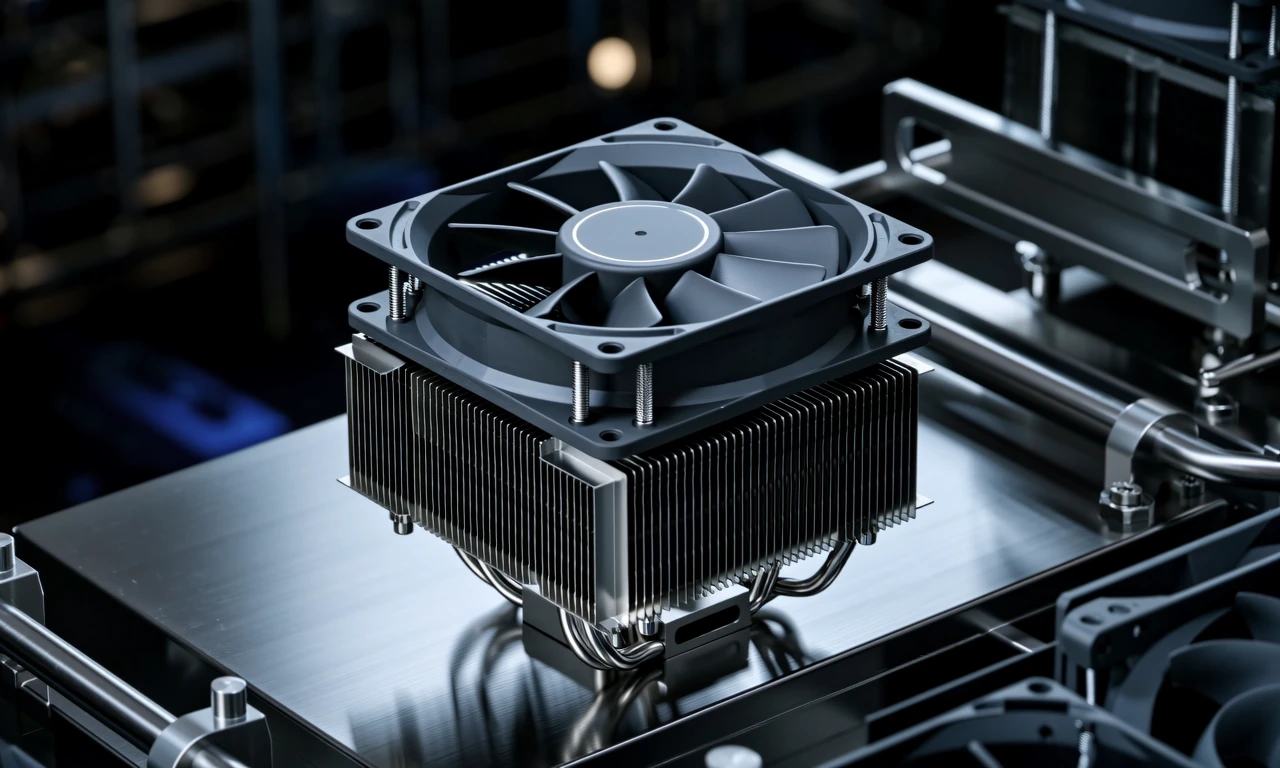
The materials alone tell you this isn’t business as usual. Liquid crystal polymer blades? Dual ball bearings? That’s some serious engineering right there. I’ve seen too many standard fans start rattling after six months of use, but these industrial-grade models are built differently. The FHL120’s dual ball bearing system isn’t just marketing fluff – it actually extends the fan’s lifespan dramatically compared to sleeve bearings. Think about it: most regular fans use simpler bearing systems that wear out faster, especially under constant high-RPM operation. With industrial fans, you’re getting components that can handle 50,000+ hours of continuous use. That’s like running your fan non-stop for nearly six years!
Performance When It Actually Matters
Here’s where it gets really interesting. That 5.2 mmH₂O static pressure rating on the FHL120 isn’t just a number – it’s the difference between adequate cooling and exceptional cooling, especially in tight spaces. I remember testing a regular fan against an industrial model on a dense radiator, and wow, the difference was night and day. The industrial fan pushed air through those tight fins like they weren’t even there, while the standard fan struggled. If you’re running water cooling or have a case with restrictive airflow, this performance gap becomes painfully obvious during gaming sessions or rendering workloads.
And let’s talk about consistency. Regular fans tend to lose their edge (pun intended) when temperatures rise or dust accumulates. Industrial fans maintain their performance characteristics much better over time. The FHL120’s LCP blades don’t just resist warping from heat – they maintain their precise shape and angle, ensuring you get the same airflow month after month. It’s one of those things you don’t appreciate until you’ve experienced the alternative.
The Noise-Performance Tradeoff
Okay, let’s address the elephant in the room – noise. Yes, industrial fans can get loud at maximum RPM. But here’s the thing: they don’t need to run that fast to outperform regular fans. At 1500 RPM, the FHL120 moves more air with better pressure than most consumer fans at full tilt, and it’s surprisingly quiet doing it. The noise profile is different too – instead of that annoying high-pitched whine you get from cheap fans, you get a deeper, more tolerable sound. Plus, with modern motherboard fan control, you can set aggressive curves that only ramp up when truly needed.
Looking at SilverStone’s approach with the FHL120, it’s clear they’re targeting enthusiasts who understand that cooling performance directly impacts system longevity and stability. When your GPU is pushing 400W and your CPU another 200W, every degree matters. Industrial-grade fans might seem like over-engineering until you need that extra thermal headroom for overclocking or sustained workloads. Then suddenly, that investment makes perfect sense.
Comment List (4):
Load More Comments Loading...