
I’ve always been fascinated by how much difference a simple component like a case fan can make in a PC build. When Thermaltake released the Riing Plus 20 RGB with its massive 200mm frame, it got me thinking—why do larger fans often come out on top in airflow performance? It’s not just about raw power; the physics behind it are surprisingly intuitive. With a bigger blade surface, large fans like the 200mm model move more air at lower RPMs, which means you get that cooling boost without the noise. Honestly, who wouldn’t want a quieter, cooler-running rig?
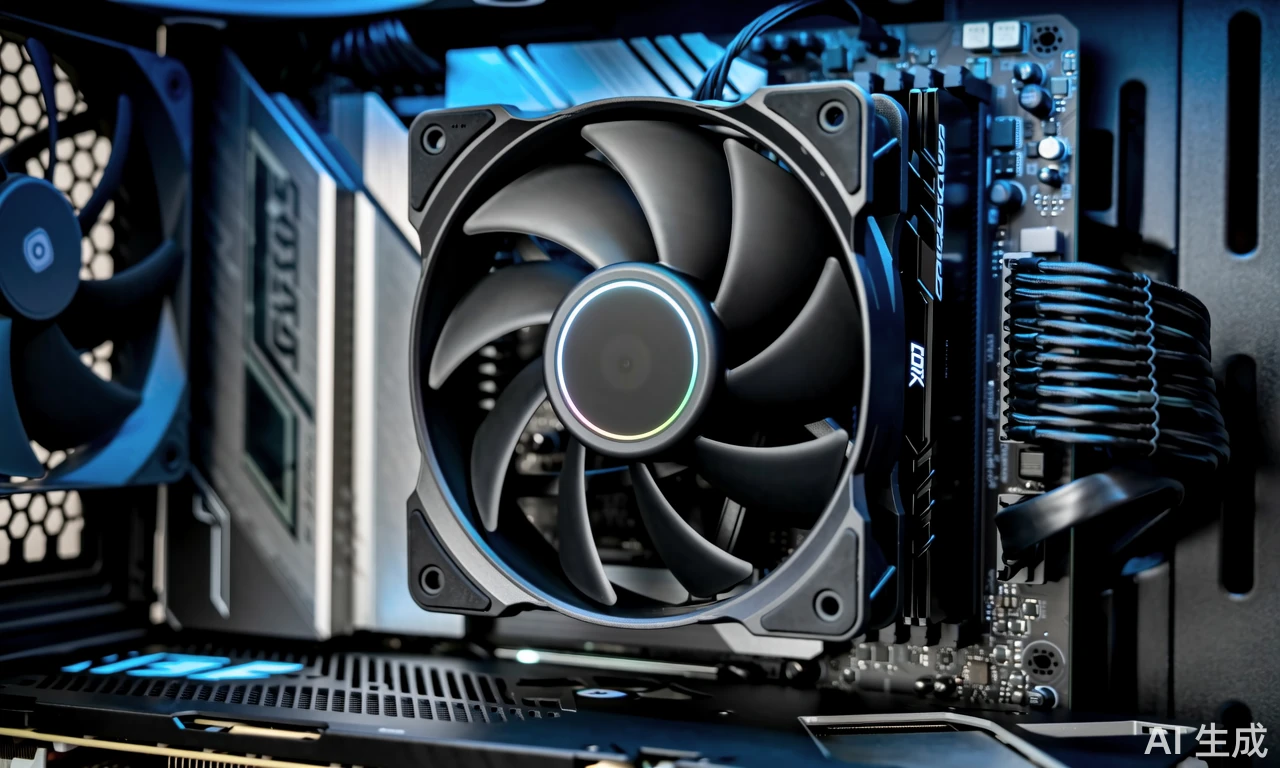
The science behind large fan efficiency
Let’s break it down: a 200mm fan, such as the Thermaltake Riing Plus 20, can deliver up to 118 CFM of airflow while spinning at just 500 to 1000 RPM. Compare that to a standard 120mm fan, which might need to rev up to 1500 RPM or more to hit similar numbers—and you’ll definitely hear the difference! The larger blades displace more air per rotation, so they don’t have to work as hard. It’s like using a broad paddle instead of a small spoon to stir a pot; you cover more area with less effort. Plus, with advances in bearing technology (hello, hydraulic bearings!) and vibration-dampening materials, these big fans stay whisper-quiet even under load.
Real-world benefits for your setup
Beyond the specs, there’s a practical side to choosing large case fans. Imagine running a high-TDP CPU and GPU in a gaming marathon—heat buildup is inevitable. A 200mm fan can maintain lower temperatures across components, reducing the risk of thermal throttling. And let’s not forget energy efficiency: since larger fans draw less power relative to their airflow output, you’re saving a bit on electricity over time. From my own experience, swapping out multiple smaller fans for a couple of 200mm ones in a Thermaltake Level 20 case made a noticeable difference in both noise levels and cooling consistency.
But it’s not just about performance—large fans often come with smart features, like PWM control and RGB lighting, that add both function and flair. The Riing Plus 20, for instance, integrates seamlessly with ecosystems like TT RGB Plus, letting you sync colors or even set weather-based alerts. How cool is that? While aesthetics might not be the main reason to go big, it’s a nice bonus for anyone building a showpiece PC.
So, if you’re planning a build where airflow matters—whether for gaming, content creation, or just everyday use—opting for larger case fans could be a game-changer. They offer a blend of power, quiet operation, and modern features that smaller fans struggle to match. Honestly, once you try a 200mm fan, it’s hard to go back to the whirring of multiple smaller ones!
Comment List (4):
Load More Comments Loading...