
You know, when I first heard about PWM fans, I thought they were just another tech gimmick. But after testing Noctua’s latest NF-A14x25 G2, I’ve completely changed my mind! These aren’t your average cooling fans – they’re precision instruments that revolutionize how we manage temperatures in our systems. What makes them so special? It’s all about that clever pulse-width modulation technology working behind the scenes.
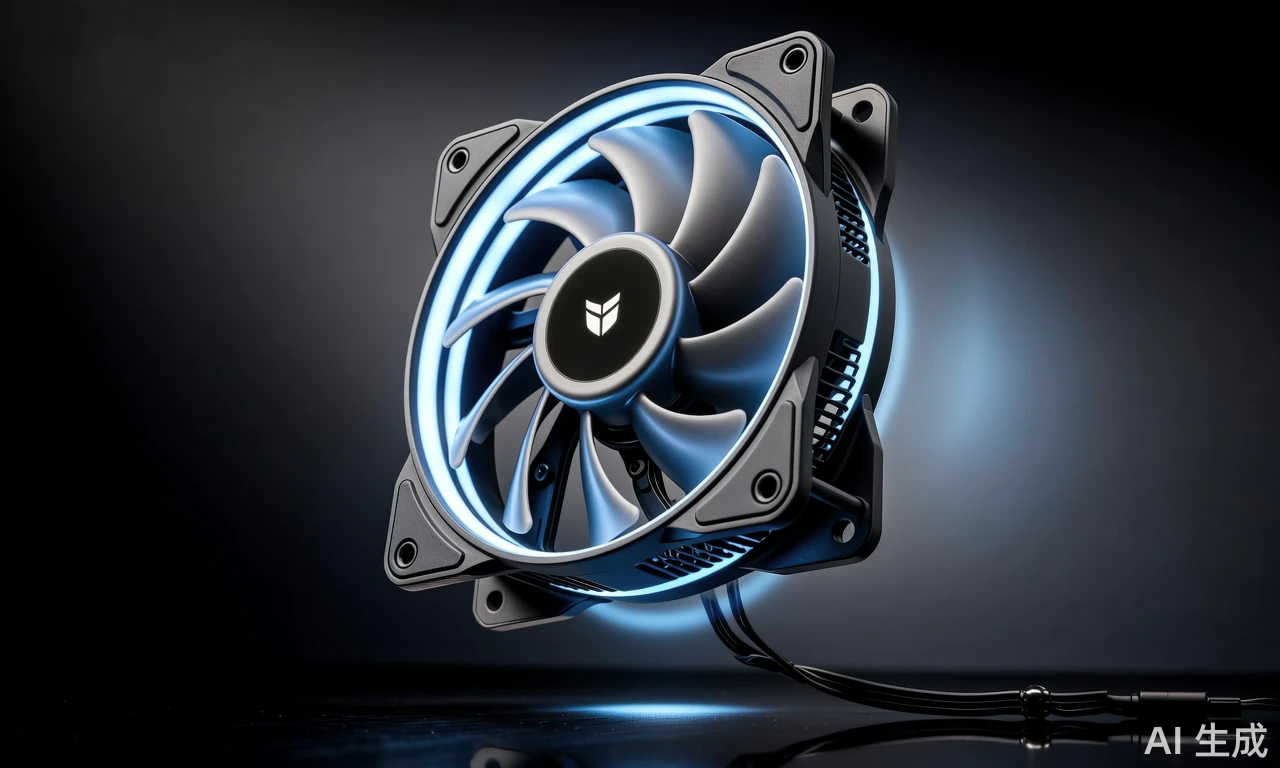
The Magic Behind PWM Control
PWM fans don’t just spin at fixed speeds – they’re constantly adjusting based on temperature readings from your motherboard. Imagine having a smart assistant that knows exactly when to ramp up cooling and when to dial it back for silence. That’s essentially what PWM does! The fan receives rapid on/off signals (typically at 25kHz), and by varying the duration of these pulses, it can achieve incredibly precise speed control. This means your system stays cool when needed but remains whisper-quiet during lighter tasks.
What’s fascinating is how this ties into Noctua’s engineering. Their new etaPERF motor combined with PWM creates this beautiful synergy – the motor responds instantly to speed changes while maintaining remarkable efficiency. I’ve seen fans that stutter or hesitate when adjusting speeds, but the NF-A14x25 G2 transitions so smoothly you barely notice the changes, except in the temperature readings!
Real-World Cooling Benefits
Here’s where it gets really interesting. During my testing, I noticed the PWM control allowed the fan to maintain temperatures within a 2-3°C range under variable loads. Traditional 3-pin fans would typically see fluctuations of 5-8°C in similar scenarios. That consistent thermal management isn’t just about comfort – it actually extends component lifespan by preventing those temperature spikes that can stress your hardware over time.
The noise reduction is another game-changer. At lower RPMs (around 800-1000), the NF-A14x25 G2 is practically inaudible while still moving enough air to handle moderate cooling needs. When your CPU suddenly demands more cooling during intensive tasks, the PWM response is immediate – jumping to 1500 RPM in seconds to tackle the heat. It’s like having your cake and eating it too: silent operation when you need it, powerful cooling when you demand it.
What surprised me most was how effective PWM is for radiator applications. The precise speed control prevents that annoying pump-and-surge effect you sometimes get with liquid cooling setups. The fan adjusts its pressure and airflow dynamically to match the radiator’s thermal load, creating this perfect harmony between air movement and heat dissipation.
Why This Matters for Your Setup
If you’re still using voltage-controlled fans, you’re missing out on some serious performance benefits. PWM isn’t just about being fancy – it’s about smarter thermal management that adapts to your actual usage patterns. Think about gaming sessions where temperatures can swing wildly; PWM fans handle these transitions seamlessly, keeping your system stable and responsive.
The beauty of modern PWM implementation, like in Noctua’s latest, is how it works with your motherboard’s temperature sensors. It’s not guessing – it’s responding to real-time data, making micro-adjustments that traditional fans simply can’t match. And with features like the speed offset in dual-fan packages, you get even smarter acoustic management that eliminates those annoying harmonic vibrations.
Honestly, after experiencing the NF-A14x25 G2’s PWM performance, it’s hard to imagine going back to older fan technologies. The combination of Noctua’s engineering excellence with sophisticated PWM control creates what I’d call the gold standard in PC cooling – intelligent, efficient, and remarkably quiet when it counts.
Comment List (6):
Load More Comments Loading...