
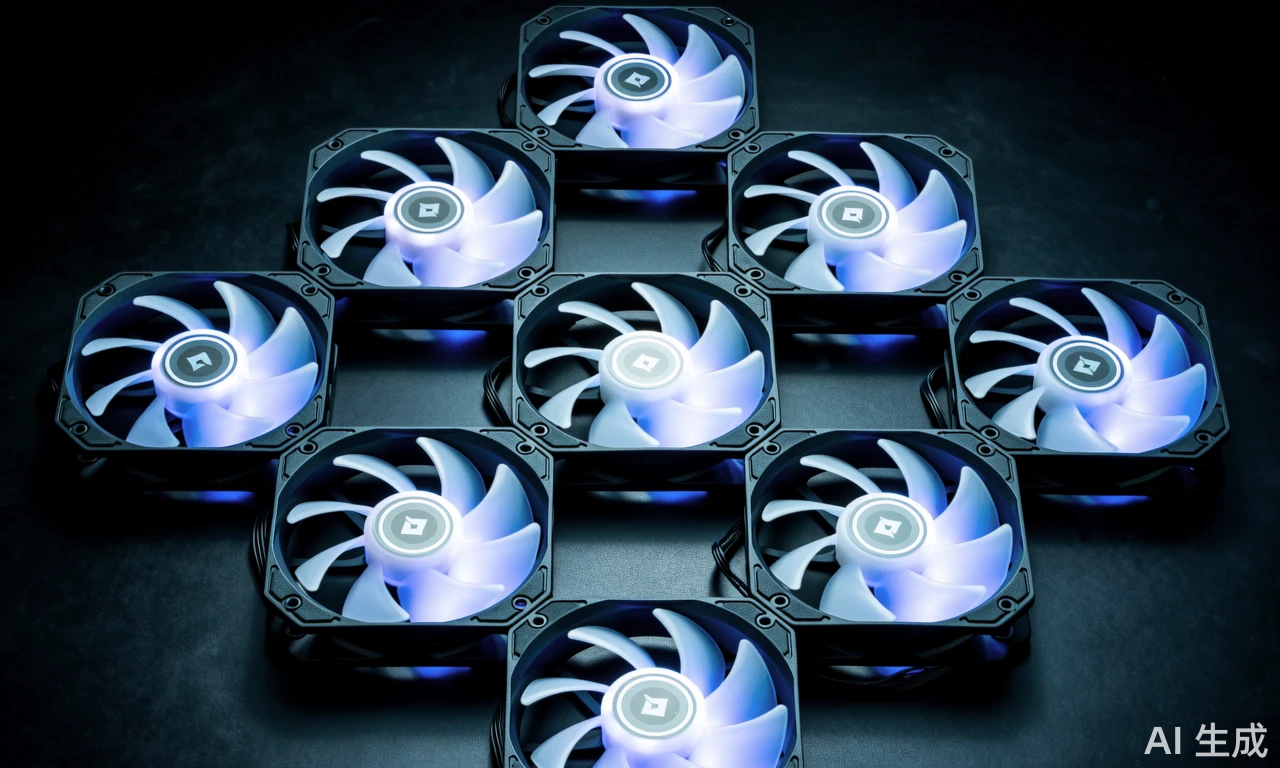
You know, when I first got into PC building, the idea of mixing and matching RGB components from different brands seemed like a distant dream. Thermaltake’s new CT200 fan with its daisy-chain ARGB connectivity got me wondering – can we actually sync these fancy lights across different manufacturers? It’s a question that plagues many PC enthusiasts who want that perfect, coordinated glow without being locked into a single ecosystem.
The Current State of Cross-Brand ARGB Sync
Right now, achieving true cross-brand ARGB synchronization feels like trying to make rival sports teams wear the same uniforms. Most manufacturers prefer keeping users within their own ecosystems. Thermaltake’s CT200, for instance, plays nicely with motherboard software from ASUS, MSI, and other major brands, but that’s only part of the story. The real challenge comes when you try to sync Thermaltake fans with, say, Corsair or Lian Li products simultaneously.
From my experience, motherboard-based control offers the best shot at cross-brand compatibility. Since ARGB headers follow a standardized 5V protocol, theoretically any ARGB device should work. But here’s the catch – while the basic colors might sync, advanced lighting effects often get lost in translation between different manufacturers’ implementations.
Technical Hurdles and Workarounds
The daisy-chain feature in Thermaltake’s CT200 series is brilliant for reducing cable clutter, but it doesn’t automatically solve the cross-brand sync puzzle. Each manufacturer tends to use slightly different signaling methods and software interpretations of the ARGB standard. It’s like everyone speaks the same language but with different accents and slang that don’t always translate well.
I’ve found that third-party controllers like Razer Chroma or open-source solutions like SignalRGB can sometimes bridge these gaps. These platforms act as universal translators, though setup can be finicky. You might get 90% of the way there, but that last 10% – perfect synchronization of complex patterns across different brands – remains elusive in many cases.
Is True Cross-Brand Sync Coming?
Looking at industry trends, I’m cautiously optimistic. The move toward standardized connectors and protocols is encouraging. Thermaltake’s approach with the CT200 – focusing on motherboard compatibility rather than proprietary systems – suggests manufacturers are recognizing users want flexibility. Still, we’re probably years away from true plug-and-play cross-brand synchronization becoming the norm rather than the exception.
For now, if you’re planning a multi-brand ARGB setup, my advice is to stick with motherboard-controlled lighting where possible and be prepared for some troubleshooting. The results can be stunning when everything works, but getting there might test your patience. The CT200’s daisy-chain design at least makes the cable management part of that journey much smoother!
Comment List (4):
Load More Comments Loading...