
You know, there’s something almost magical about how Noctua manages to make fans that are whisper-quiet yet incredibly effective. I’ve been building PCs for over a decade, and I still get impressed every time I install one of their brown-and-beige wonders. The secret isn’t just one thing—it’s this beautiful combination of engineering smarts and attention to detail that makes you wonder why other manufacturers haven’t caught up yet. Let me walk you through what really makes these fans so special when it comes to silent cooling.
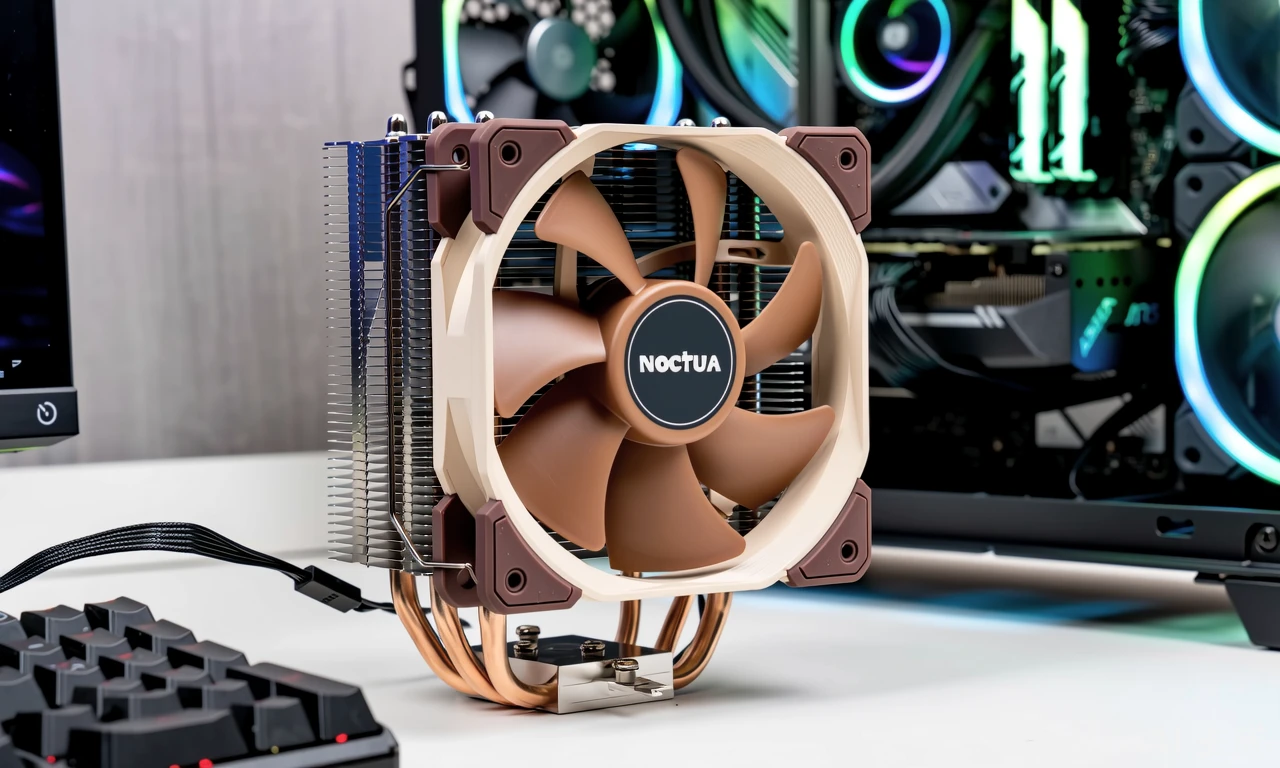
The Art of Moving Air Without Making Noise
What’s fascinating about Noctua’s approach is how they treat airflow like a science project. Remember those old fans that sounded like small aircraft taking off? Noctua solved that by rethinking how air moves through the fan entirely. Their Stepped Inlet Design is genius—it adds just enough turbulence to smooth out the airflow transition, kind of like how a well-designed car hood reduces wind noise at high speeds. And those Flow Acceleration Channels? They’re not just marketing buzzwords—they actually help the blades cut through air more efficiently, reducing that annoying swooshing sound you get from cheaper fans.
The Heart of Silence: SSO2 Bearing System
Here’s where things get really interesting. The SSO2 bearing isn’t just another ball bearing—it’s like the Swiss watch movement of fan technology. That magnet placement closer to the axis? It creates this incredible stability that prevents wobble and vibration. I’ve had fans running for years that still feel as smooth as the day I installed them. And get this—150,000 hours MTBF means you could run these fans continuously for over 17 years before they might need replacing! The anti-vibration pads made from extra-soft silicone might seem like a small touch, but they make a huge difference in preventing those tiny vibrations from transferring to your case.
Real-World Quiet Performance
I remember building a silent workstation for a video editor friend who was tired of fan noise during late-night editing sessions. We swapped out his existing fans for Noctua’s PWM models, and the difference was night and day. At around 800 RPM under load, you can barely tell the system is on unless you put your ear right up to it. But what’s really impressive is how they maintain that silence across different applications—whether it’s cooling a high-end gaming rig or keeping a 3D printer from overheating during a 20-hour print job.
The beauty of Noctua’s approach is that they don’t just make quiet fans—they make intelligent cooling solutions. Their different voltage and control options mean you can match the fan to your exact needs, whether that’s a PWM model for your gaming PC that ramps up only when needed, or a 5V version for your 3D printer that maintains consistent, silent operation. It’s this combination of smart engineering and practical flexibility that makes their silent cooling so effective.
Comment List (12):
Load More Comments Loading...