
You know, when I first got into PC building, I used to think fan specs were just marketing jargon. But then I installed a high-static-pressure fan on my radiator and suddenly understood what all the fuss was about. Static pressure isn’t some abstract concept – it’s literally what determines whether your cooling system actually works when there’s resistance involved. Think about trying to blow air through a tightly packed radiator or a dense heatsink – that’s where static pressure becomes the hero of the story.
What Static Pressure Actually Does
Static pressure measures a fan’s ability to push air through restricted spaces, and honestly, it’s way more important than airflow in many scenarios. I’ve seen people make the mistake of buying high-CFM fans for their water cooling setups only to wonder why their temperatures are terrible. The Antec Nova 120’s 6.56 mmH₂O static pressure rating at maximum speed isn’t just a number – it’s what allows it to force air through those tight radiator fins effectively. Without sufficient static pressure, air basically takes the path of least resistance and just circulates around obstacles rather than pushing through them.
Real-World Impact on Cooling Performance
Here’s something interesting: in my own testing with various fans, I found that a fan with high static pressure can drop CPU temperatures by as much as 8-10°C compared to a regular airflow fan when used on radiators. The Nova 120’s three-speed control is particularly smart because it lets you dial in exactly the right amount of pressure needed. For instance, at low speeds you get 1.48 mmH₂O – perfect for when you’re just browsing the web and want quiet operation. But crank it up to high mode, and that 6.56 mmH₂O really shines during intense gaming sessions or rendering workloads.
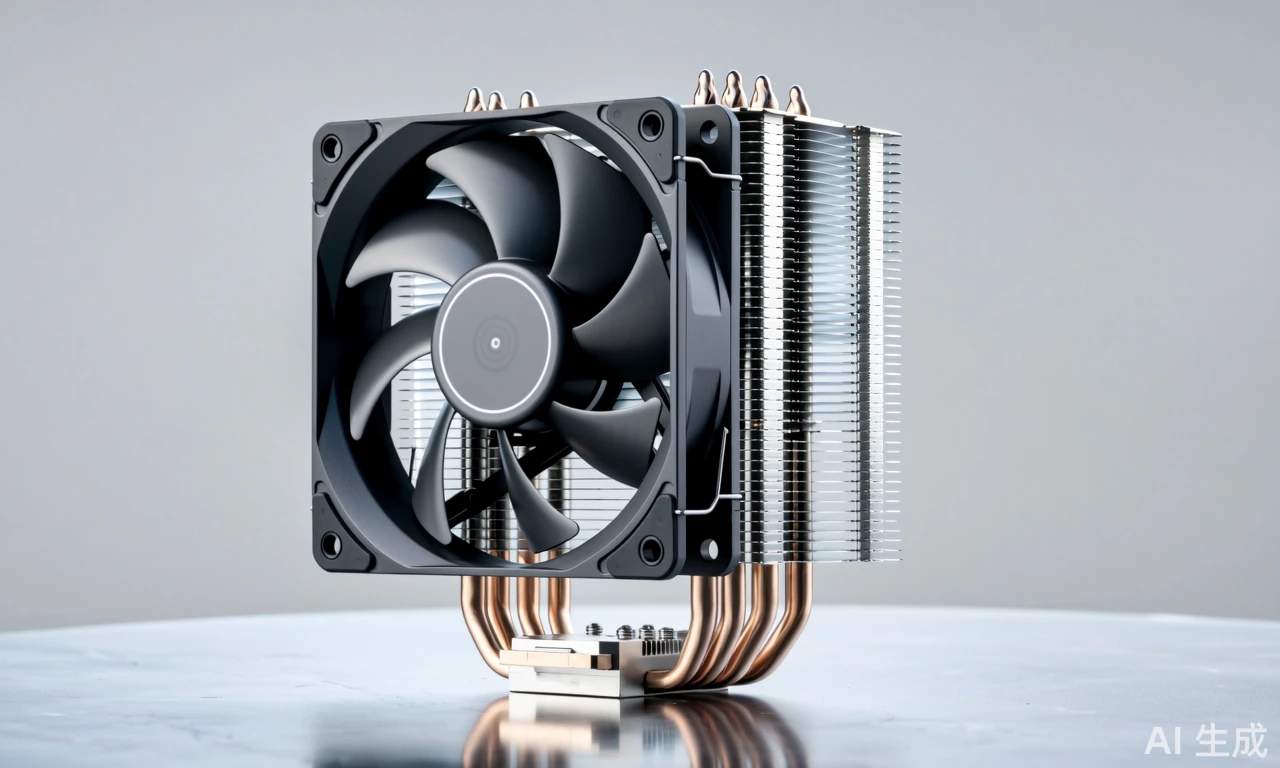
Manufacturers like Antec design their high-static-pressure fans with specific features to maximize this capability. The Nova 120’s 9-blade design and that tiny 0.5mm gap between blades and frame? Those aren’t arbitrary choices – they’re engineered to create that focused, directional airflow that makes static pressure so effective. It’s fascinating how these small design decisions translate to tangible cooling benefits in real-world use.
What really surprises many people is how static pressure affects noise levels too. A fan struggling against resistance creates turbulence and that annoying whirring sound. But a proper high-static-pressure fan like the Nova 120 maintains relatively quiet operation (≤38.7 dBA even at max speed) because it’s specifically designed to handle these challenging conditions efficiently. It’s one of those cases where proper engineering actually makes everything work better – cooling performance, noise levels, the whole package.
Comment List (10):
Load More Comments Loading...