
You know, it’s fascinating how larger PC fans like that new SilverStone Shark Force 160 ARGB manage to be so quiet while pushing serious airflow. I’ve always wondered why my 140mm fans seem to whisper compared to the noisy little 120mm ones I used before. It turns out the physics behind this is pretty straightforward – bigger fans can move the same amount of air while spinning slower, and slower rotation naturally means less noise. That Shark Force 160 operates at just 1,600 RPM yet delivers 160 CFM – my old 120mm fans would need to spin at nearly double that speed to match it, creating way more turbulence and motor noise.
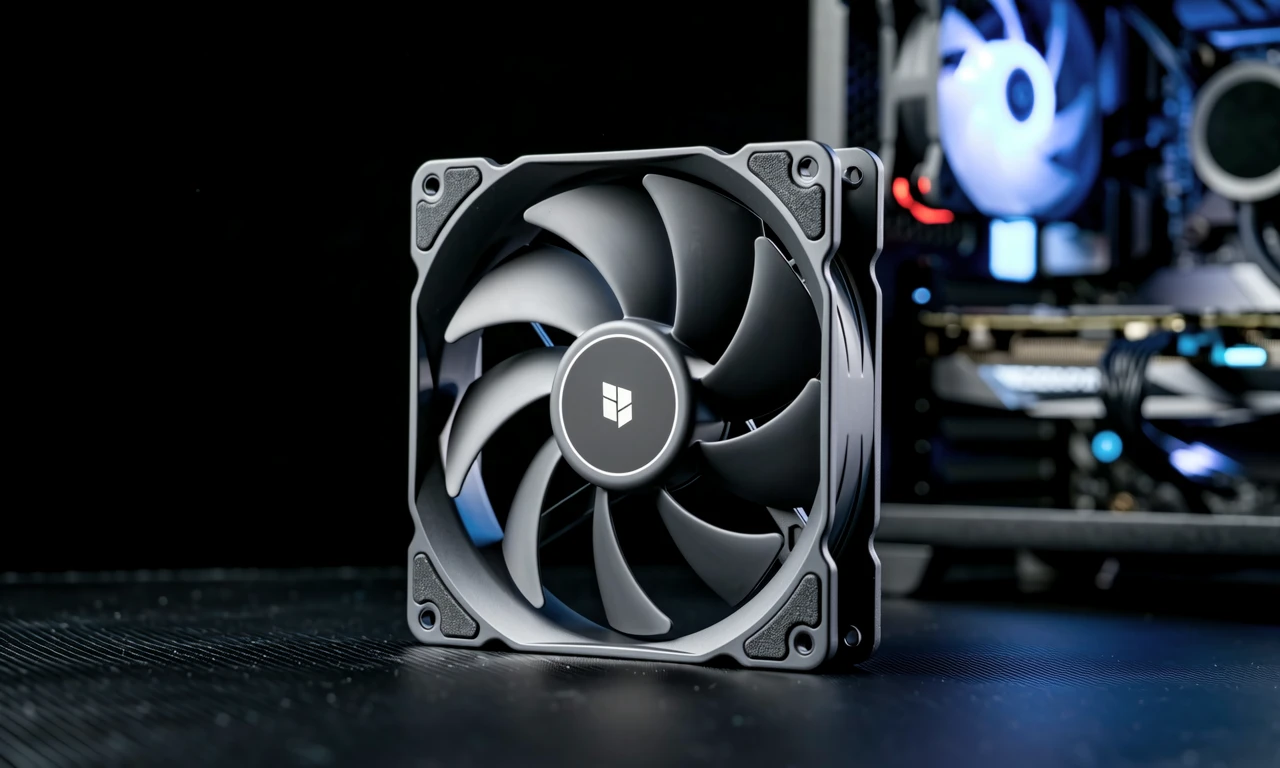
The sweet spot between blade design and rotation speed
What really makes these larger fans shine isn’t just their size though. That textured shark skin pattern on the SilverStone’s blades isn’t just for looks – it actually helps air flow more smoothly across the surface. When air moves cleanly without turbulence, you get less of that annoying whirring sound. Plus, the fluid dynamic bearing in these larger fans makes a huge difference compared to cheaper sleeve bearings. It’s like comparing a luxury car’s smooth ride to an old truck’s rattle – the bearing type directly affects how much mechanical noise the fan produces.
I remember testing various fan sizes in my own rig and being surprised by how much quieter the 140mm and larger fans were. Even at similar decibel ratings, the larger fans produced a deeper, less intrusive sound profile that just blended into the background. The smaller fans? Their higher-pitched whine was way more noticeable, even when they weren’t moving as much air. It’s like the difference between a gentle breeze and a high-pitched whistle – both move air, but one is far more pleasant to live with.
Why bigger doesn’t always mean noisier
Some people assume that larger fans must be louder because, well, they’re bigger, right? But that’s exactly backward thinking. The secret lies in something called “specific noise” – larger fan blades can displace more air per rotation, meaning they don’t need to work as hard. When SilverStone designed that 160mm impeller, they could have pushed it to spin faster for even more airflow, but they wisely kept the RPM moderate to maintain that quiet operation. At 38.1 dBA maximum noise level, it’s actually quieter than many smaller fans pushing similar air volume.
There’s also the vibration factor to consider. Those long blades on larger fans do have a potential downside – they can create more vibration at high speeds. But here’s where smart engineering comes in: better motor balance, sturdier frames, and those fluid dynamic bearings all work together to dampen vibrations before they transfer to your case. It’s impressive how SilverStone managed to pack all these quiet-operation features into a fan that still delivers serious cooling performance when you need it.
Honestly, after seeing how well these larger fans perform, I’m convinced the industry is moving in the right direction. The combination of smarter blade designs, better bearings, and optimized frame sizes means we’re getting cooling solutions that don’t sound like jet engines. For anyone building a quiet PC, choosing larger fans like the 140mm or even 160mm variants is probably one of the best decisions you can make for both performance and acoustics.
Comment List (7):
Load More Comments Loading...