

Endorfy Stratus 140 PWM ARGB: the pre-install fan goes retail
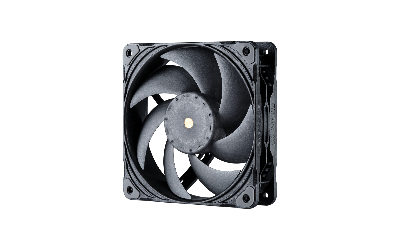
The Stratus 140 PWM ARGB is a 140mm, 25mm-thick case fan running 250–1200 RPM with addressable RGB lighting. It is the retail single-pack version of the fan Endorfy uses as stock equipment in its own chassis — the Stratus 120 PWM ARGB is the standard loadout in the Signum 400, which ships with four of them. That provenance is the most useful thing to know about this fan before reading the spec table: it is a case fan designed to be bought in volume by a case manufacturer, not a standalone flagship.
Endorfy is the 2022 successor name to SilentiumPC, the Polish component brand that built its reputation on low-cost, quiet-leaning cases and air coolers. The Stratus sits below the Fluctus line, which carries the company’s patented wavy-serrated blade leading edge, FDB bearings, a 100,000-hour MTBF figure and a 72-month warranty. The Stratus inherits the family styling and the ARGB ecosystem but not the Fluctus bearing and endurance claims. Buyers comparing the two should treat them as different tiers, not variants of one product.
Specs at a glance
| Spec | Value |
|---|---|
| Model | Stratus 140 PWM ARGB |
| Brand | Endorfy |
| Size | 140 mm |
| Thickness | 25 mm |
| Speed | 250–1200 RPM |
| Connector | 4-pin PWM + 5V 3-pin ARGB |
| Lighting | ARGB |
| Colour | Black |
What the numbers mean
The 250–1200 RPM range is the defining figure. Endorfy does not publish airflow in cubic feet per minute, static pressure in millimetres of water, or noise in decibels for this model, so any claim about how much air it moves or how loud it gets would be invented. What the RPM ceiling does tell you is placement intent. A 1200 RPM maximum is a case-ventilation tune, not a radiator tune. Fans built for dense fins and filters routinely spin past 1500 RPM and trade noise for pressure; the Stratus tops out where a rear exhaust or a top panel fan is still inaudible under a normal desk-distance listening position.
Static pressure versus airflow is the distinction that matters here. Airflow fans use wide, shallow-pitched blades to move large volumes through open space with minimal resistance. Pressure-optimised fans use steeper pitch and tighter tip clearance to force air through obstacles — mesh, foam, radiator fins — at the cost of volume when unrestricted. A 1200 RPM ceiling with 25mm thickness and no published pressure figure points to the airflow side of that trade. In an open rear-exhaust position the Stratus is doing the job it was designed for. Pressed against a dust filter and a fin stack at the same time, it has no headroom to compensate, and the maker gives you no pressure number to check the margin against.
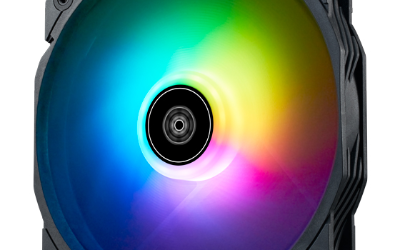
The ARGB lighting draws from a separate 5V rail and is wired for daisy-chaining, which is how a case builder populates four positions from one motherboard header. The PWM control is the standard four-pin arrangement. Nothing in the published specifications suggests a semi-passive stop mode, which is a Fluctus-line feature; if zero-RPM idle matters to you, confirm it before buying rather than assuming it carries down the range.
Where it fits
Front intake on a mesh-fronted mid-tower is the natural home. Three of these at low RPM give positive case pressure and enough turnover for a mid-range CPU and GPU without the noise signature of smaller, faster fans. Rear exhaust is the second obvious slot: one 140mm at 1200 RPM clears the hot spot behind a tower cooler more quietly than a 120mm at the same duty.
Dust-filtered front panels are a reasonable fit at the upper end of the range. The filter costs pressure, and 1200 RPM is enough to push through a single layer of mesh without the fan sounding strained — but this is where you want the fan near its ceiling, not idling at 400 RPM.
ITX builds benefit from the 140mm frame only where the chassis actually accepts one; many small cases are 120mm-only, and the Stratus 120 PWM ARGB is the sibling to look at there. For 240mm and 360mm radiators, this is the wrong fan. A 1200 RPM airflow-oriented blade on a dense fin stack is the classic mismatch, and the absence of a published pressure rating makes it impossible to argue otherwise. If you are shopping the 140mm class broadly, 140mm fan database lets you filter by published pressure and noise rather than guessing.
What it is not
It is not a radiator fan, and Endorfy’s own line-up says so by omission — the Fluctus models are the ones specced onto the Fortis 5 Black ARGB cooler. It is not a premium bearing fan: the Fluctus line carries the FDB bearing and the 100,000-hour figure, and the Stratus is not listed with either. It is not a silent-build reference point; without a published noise figure, anyone claiming it is quiet is reporting an impression, not a specification.
Buyers who need documented endurance, a six-year warranty or a certified airflow rating should skip it. Those attributes exist in this brand’s catalogue, just one tier up. Buyers who want a cheap, controllable, lit 140mm fan for a case they are already populating should not.
How it compares
Within Endorfy’s own range the comparison is straightforward: the Fluctus 140 PWM ARGB is the same size and lighting format with a higher 1800 RPM ceiling, an FDB bearing, a 100,000-hour MTBF and a 72-month warranty. The Stratus is the cost-reduced version of that idea, aimed at case bundles. Against the wider market, the Stratus competes on price and on the convenience of matching the fans already in an Endorfy chassis — a real advantage if you are adding a fifth or sixth fan and want the lighting to match without a separate controller. Against pressure-optimised 140mm fans from specialist cooling brands, it loses on paper before the first RPM is applied, because it has no pressure figure to compete with. all Endorfy fans lays out where each line sits; the full fan database is the place to run that comparison against other makers on published numbers only.
Verdict
Buy the Stratus 140 PWM ARGB if you are filling out an Endorfy case and want matching ARGB intake and exhaust at a low price, running at or below 1200 RPM in open or lightly filtered positions. Do not buy it for a radiator, a heavily filtered front panel in a hot build, or any system where you need a documented noise or pressure figure to make the decision. If you want the better bearing and the six-year cover, pay for the Fluctus instead; the full specification set for this model is on the Endorfy Stratus 140 PWM ARGB full specs page.



Comment List (0):
Load More Comments Loading...