
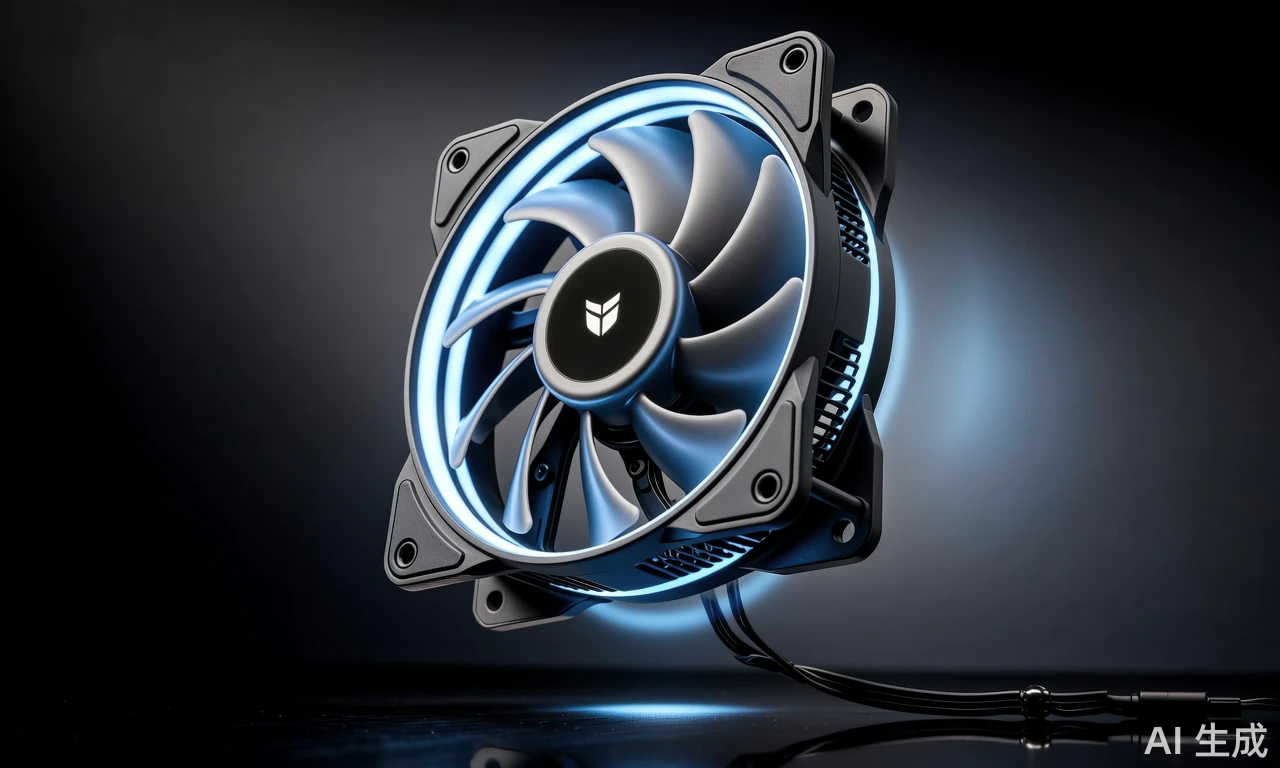
How Do PWM Fans Improve Cooling?
You know, when I first heard about PWM fans, I thought they were just another tech gimmick. But after testing Noctua's latest NF-A14x25 G2, I've completely changed my mind! These aren't your average cooling fans - they're precision instruments that revolutionize how we manage temperatures in our systems. What makes them so special? It's all about that clever pulse-width modulation...

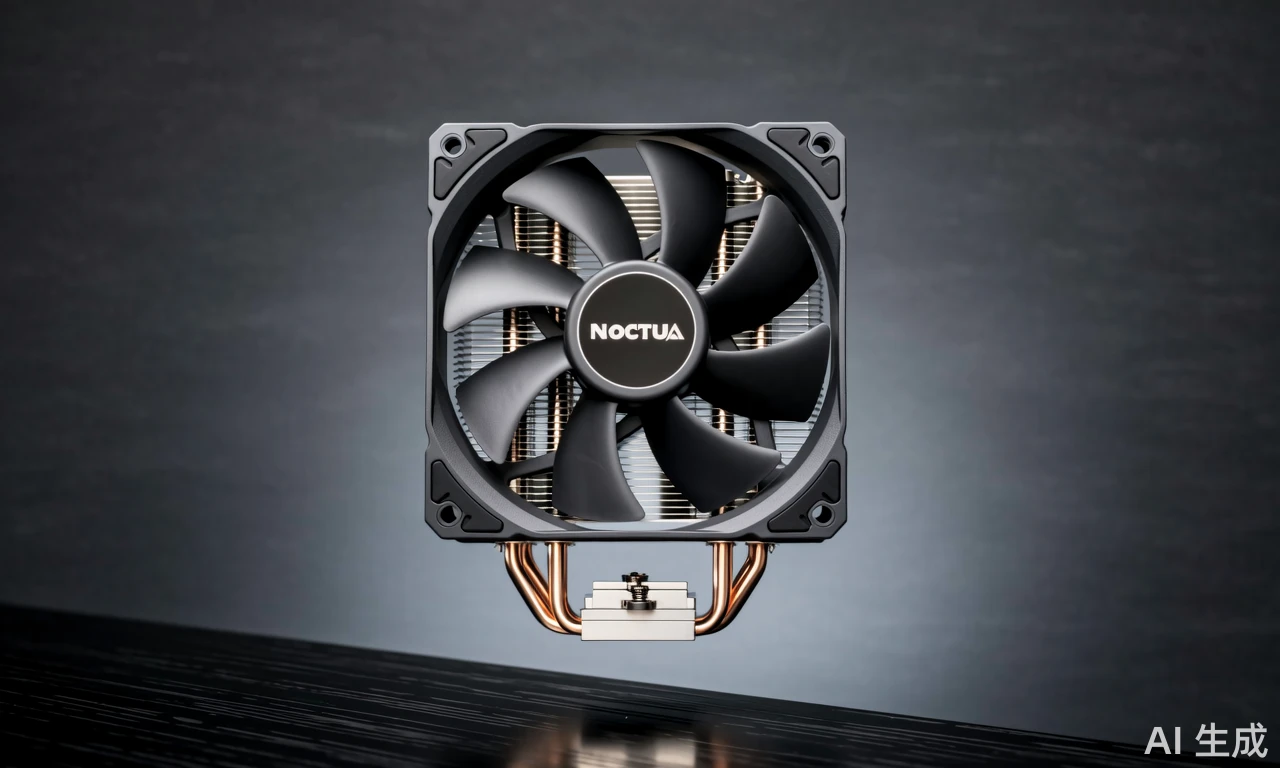
What’s new in Noctua’s G2 fans?
Honestly, when I first heard Noctua was updating their legendary A-series fans, I had my doubts—how much better could they really get? But diving into the details of the new NF-A14x25r G2 PWM, it’s clear this isn't just an incremental upgrade; it’s a thoughtful rethinking of what a 140mm fan should be. If you're like me and you value both...
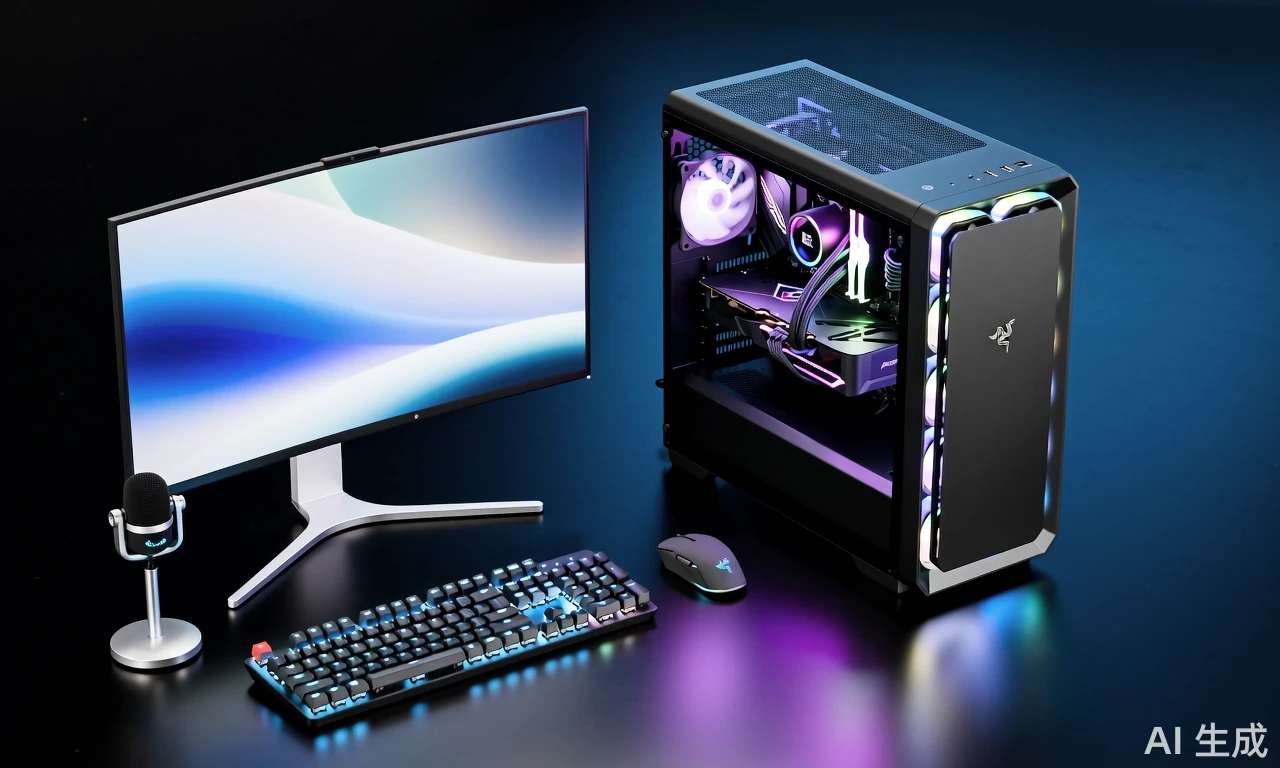
How does voice control enhance PC customization?
You know, it's pretty amazing how far PC customization has come. I remember when tweaking your computer meant manually adjusting physical switches or dealing with complicated BIOS settings. Now, with voice control integration like Thermaltake's "Hello TT" wake word and Amazon Alexa support, we're entering a whole new era of hands-free customization. Imagine just saying "Hey, make my fans purple"...
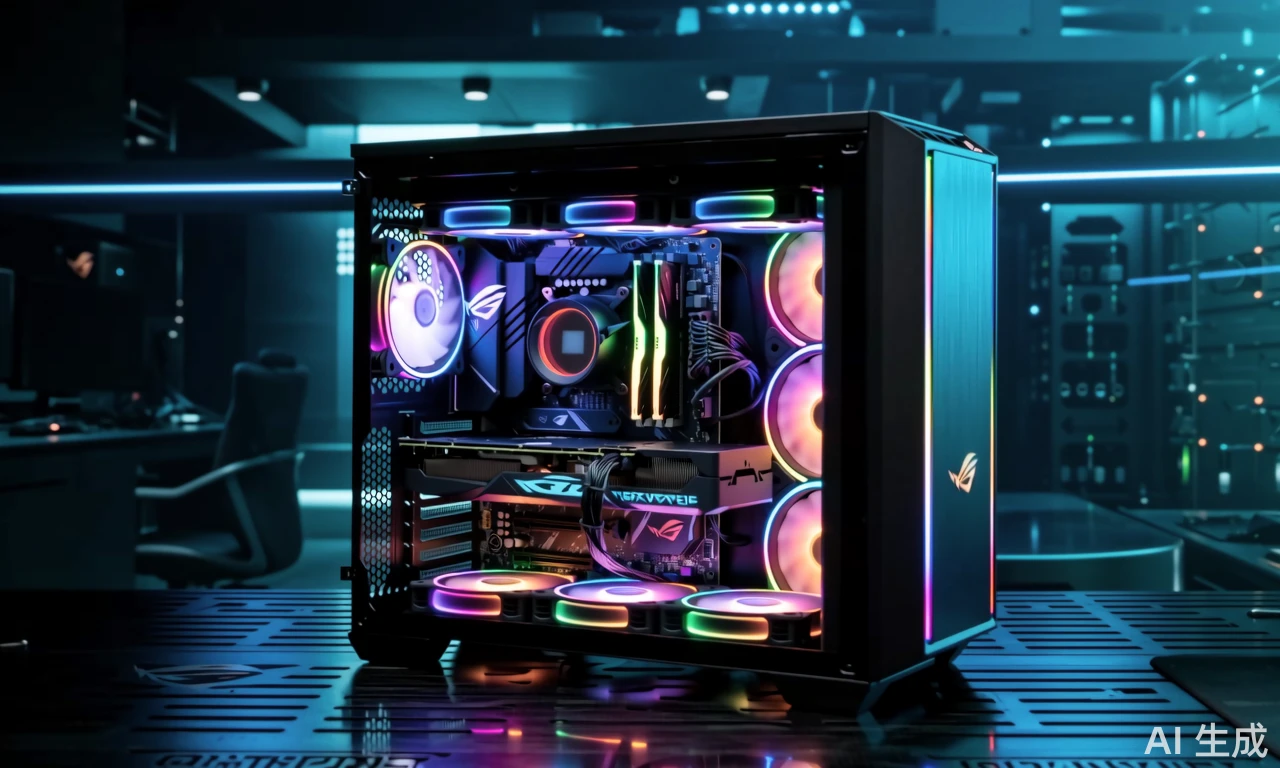
What makes RGB lighting so popular in gaming PCs?
You know, it's fascinating how RGB lighting has become almost synonymous with gaming PCs. I remember when building a gaming rig was all about raw performance specs, but now it feels like the visual experience is just as important. Thermaltake's new Riing Trio 20 RGB fan with its triple LED rings perfectly illustrates this shift - it's not just about...
What makes silent PC fans effective?
You know, when I first built my gaming rig, I was convinced that more noise meant better performance - boy, was I wrong! Silent PC fans like Thermaltake's TOUGHFAN 12 Pro have completely changed the game, and it's fascinating how they achieve near-silent operation without sacrificing cooling power. The secret lies in this delicate dance between material science, precision engineering,...
Why is static pressure important in fans?
You know, when I first got into PC building, I used to think fan specs were just marketing jargon. But then I installed a high-static-pressure fan on my radiator and suddenly understood what all the fuss was about. Static pressure isn't some abstract concept - it's literally what determines whether your cooling system actually works when there's resistance involved. Think...

How do ball bearings extend fan lifespan?
You know, when Cooler Master announced that lifetime warranty on their new Mobius 120 OC fan, it really got me thinking - what makes them so confident about longevity? The answer lies in that double ball bearing system they've engineered. Most people don't realize how crucial bearing technology is for fan durability. I've seen so many fans fail prematurely because...
How do thicker fans improve cooling?
Ever wondered why some PC cooling fans are noticeably thicker than others? I've always been fascinated by how a simple dimensional change can make such a dramatic difference in thermal performance. Take Sudokoo's new MACH series with their 30mm thickness - that's a full 5mm thicker than your standard 25mm fans. This extra thickness isn't just for show; it fundamentally...
How to choose PC case fans?
You know, picking the right PC case fans is like choosing the perfect pair of sneakers – it's not just about looks, but how well they perform and fit your lifestyle. I've seen so many builders get lost in specs and marketing jargon, only to end up with a system that sounds like a jet engine. Take be quiet!'s Silent...

What makes 200mm fans ideal for PC builds?
You know, when I first saw a 200mm fan in a PC build, I was genuinely surprised by how much of a difference it made compared to the standard 120mm and 140mm options. It's not just about size - there's something genuinely smart about using these larger fans in modern systems. While smaller fans have to spin faster to move...
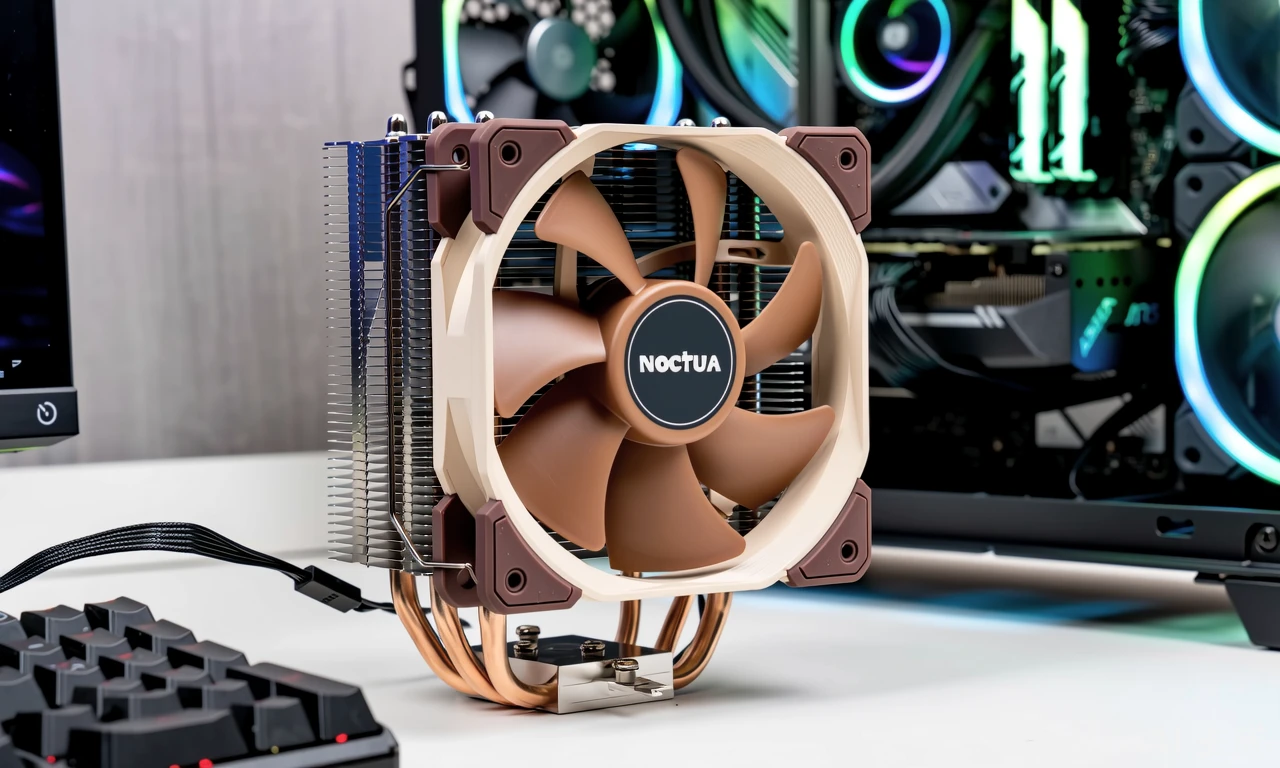
How do Noctua fans achieve silent cooling?
You know, there's something almost magical about how Noctua manages to make fans that are whisper-quiet yet incredibly effective. I've been building PCs for over a decade, and I still get impressed every time I install one of their brown-and-beige wonders. The secret isn't just one thing—it's this beautiful combination of engineering smarts and attention to detail that makes you...
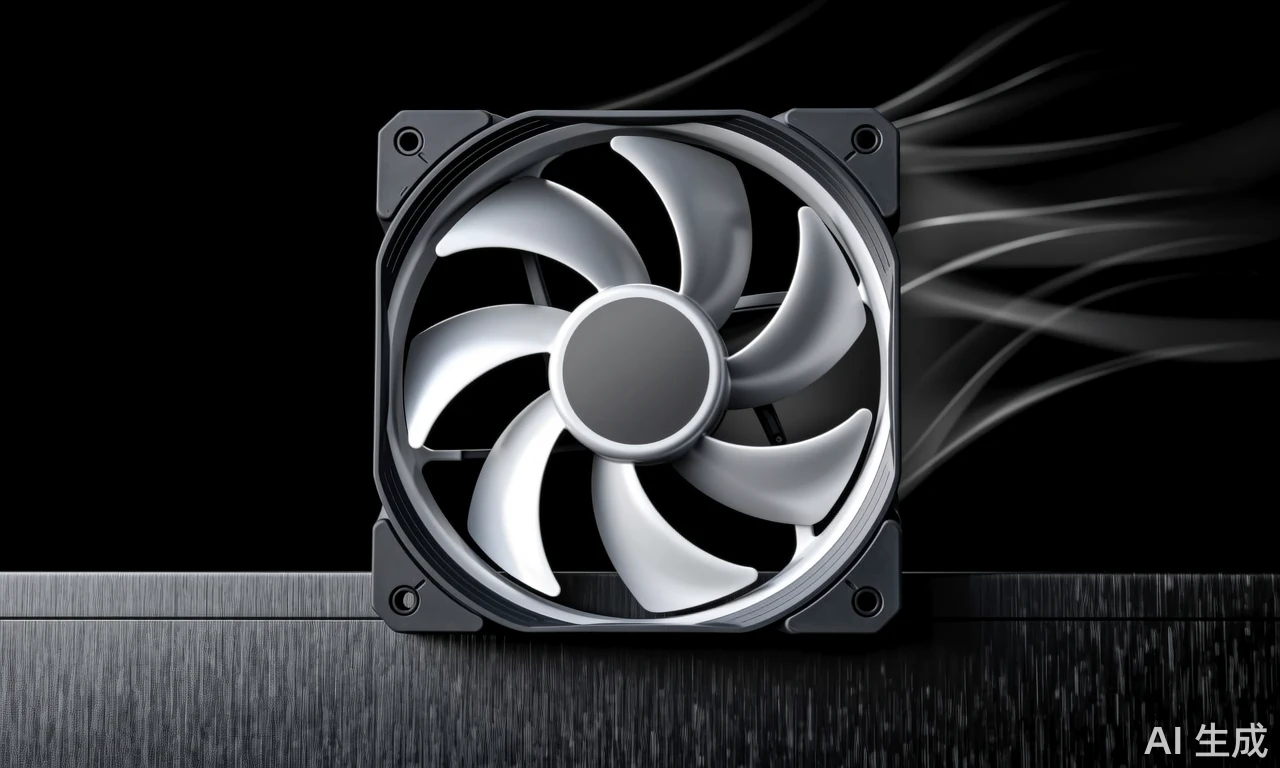
What Makes Large Fans More Efficient?
You know, when I first saw Thermaltake's new 200mm fan, it got me thinking - why do larger fans actually work better? It's not just about being bigger; there's some fascinating physics at play here. I remember building my first PC with those tiny 80mm fans screaming their heads off - what a difference these modern large-format fans make! The...
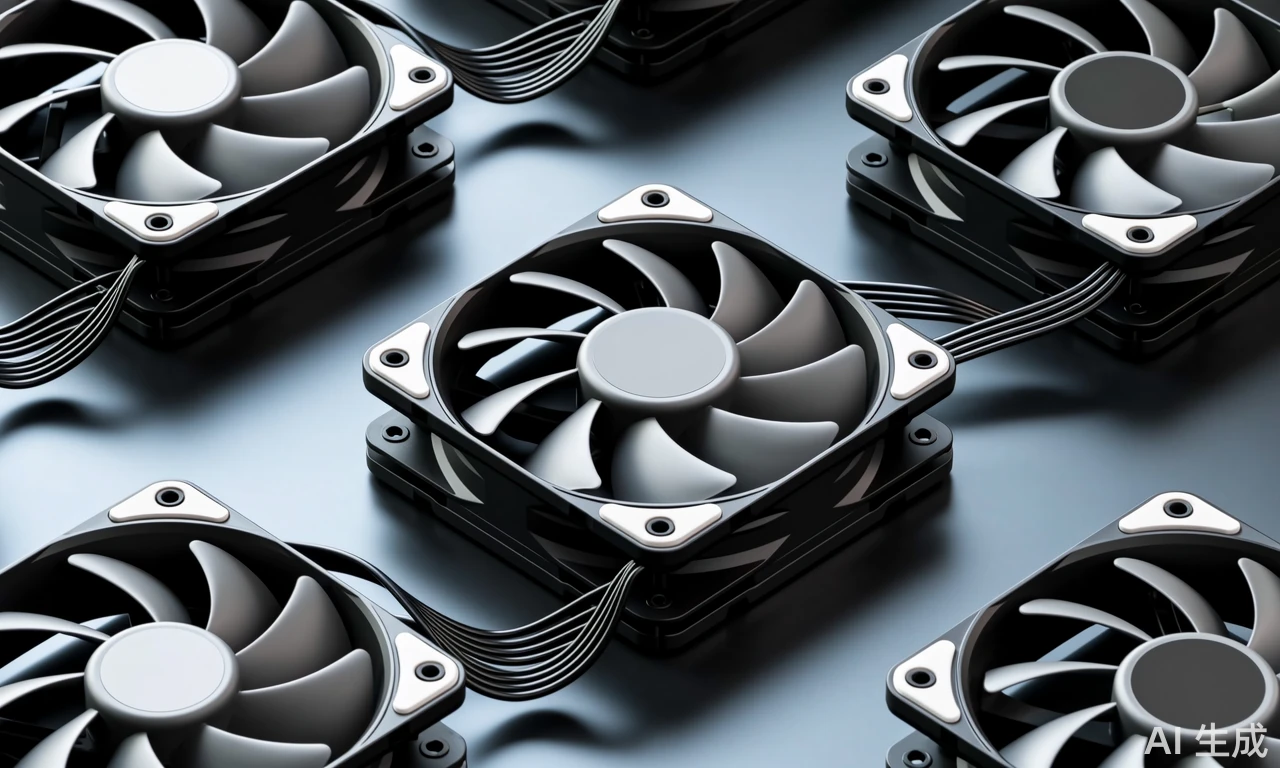
How Do Daisy-Chaining Fans Work?
You know, when I first heard about daisy-chaining fans, I immediately thought of those old Christmas light strings where if one bulb went out, the whole strand would go dark. Fortunately, PC fan daisy-chaining is way more sophisticated than that! It's actually one of the coolest innovations to hit PC cooling in recent years, solving that eternal struggle with cable...
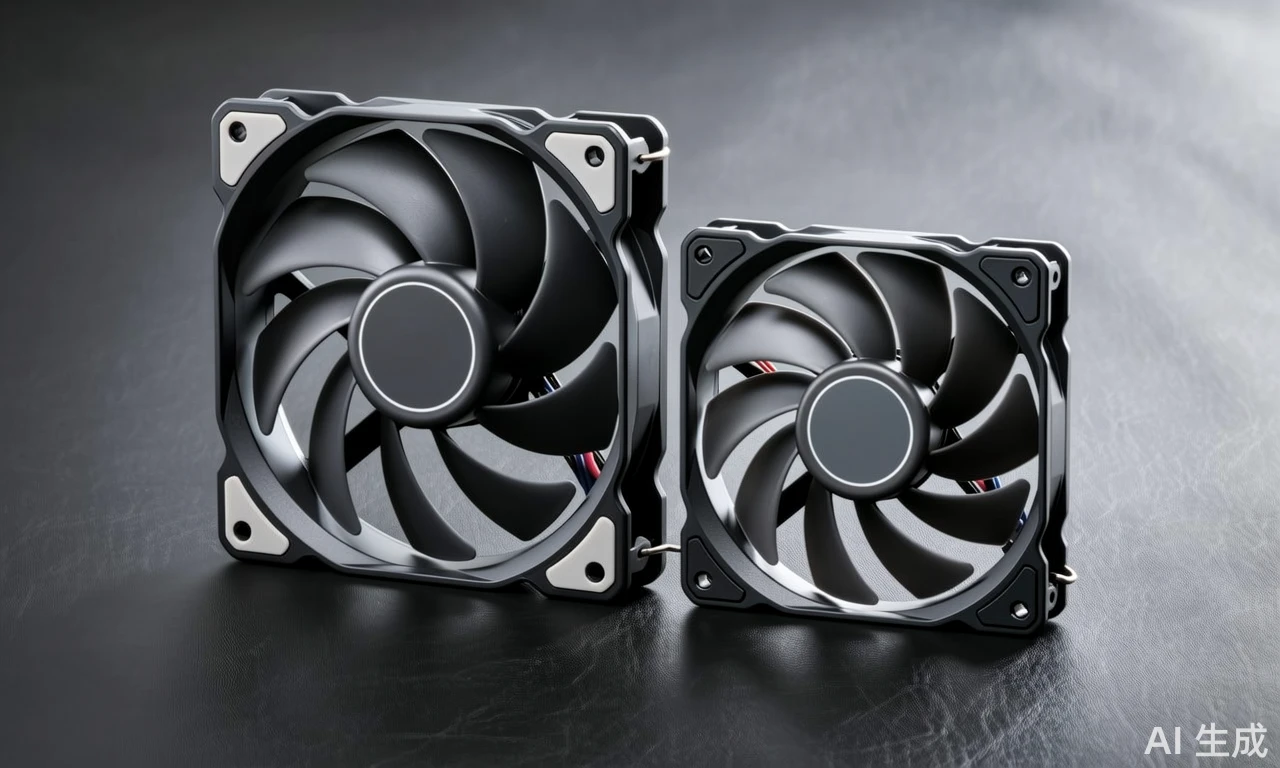
Are large fans quieter than small ones?
You know, it's one of those age-old debates in the PC building community - are large fans actually quieter than their smaller counterparts? I've always found it fascinating how something as simple as fan size can make such a dramatic difference in noise levels. When I first heard about Thermaltake's new 200mm ARGB fan, it immediately got me thinking about...
Why choose large case fans for better airflow?
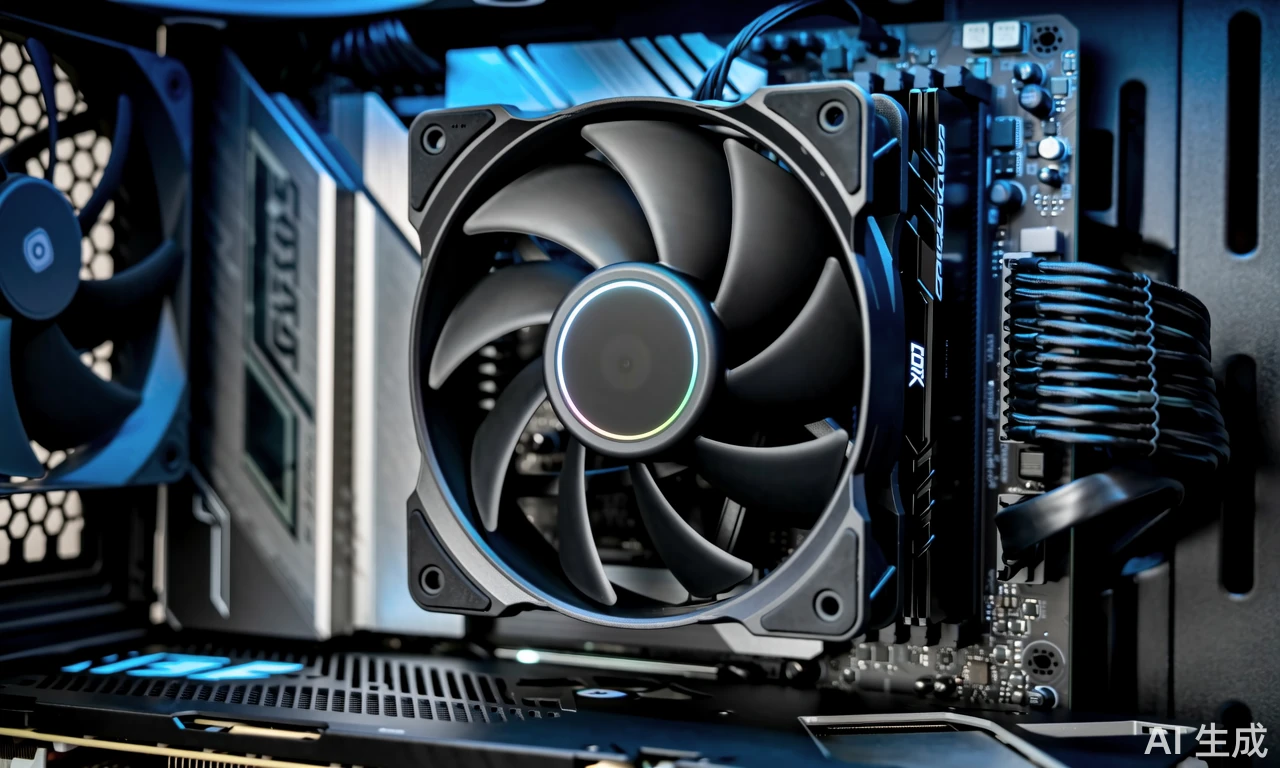
I’ve always been fascinated by how much difference a simple component like a case fan can make in a PC build. When Thermaltake released the Riing Plus 20 RGB with its massive 200mm frame, it got me thinking—why do larger fans often come out on top in airflow performance? It’s not just about raw power; the physics behind it are...
How to control PC cooling with smart devices?
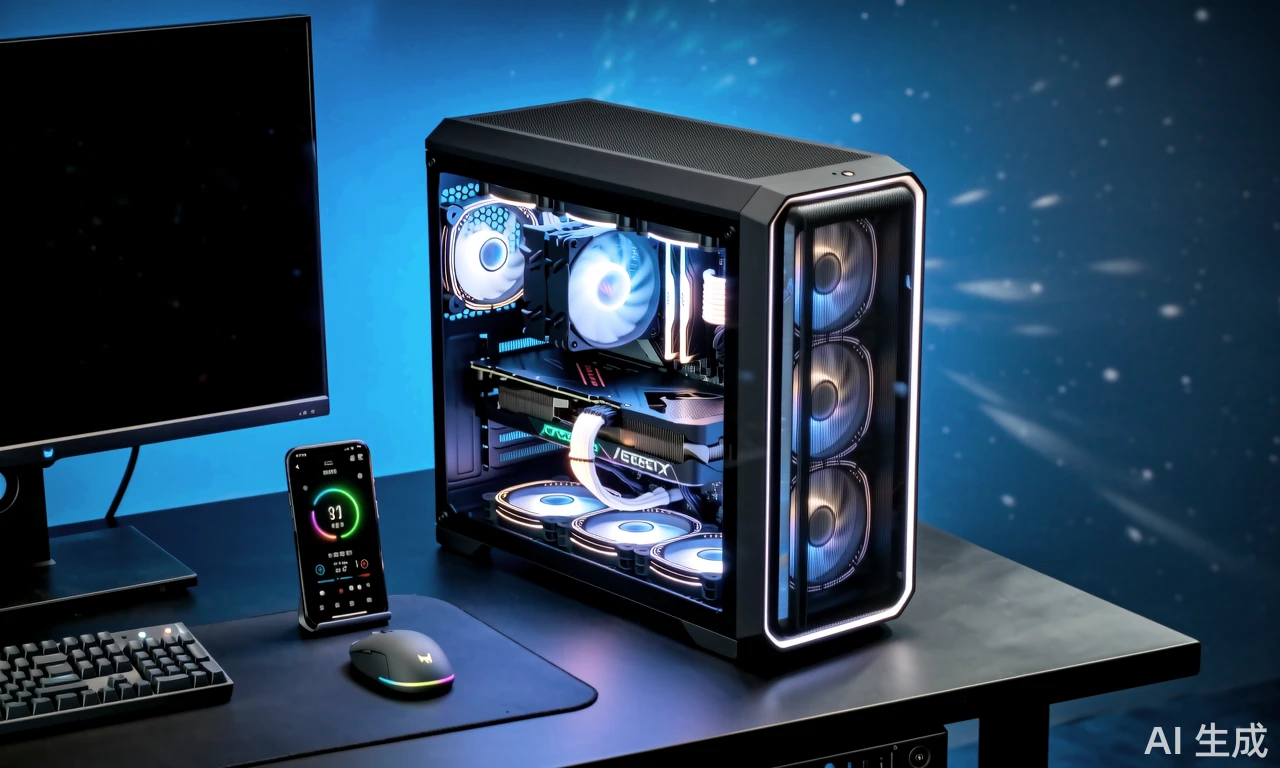
You know, when Thermaltake announced their new Riing Plus 20 RGB fans, it got me thinking—we're truly living in the smart device era where even our PC cooling systems can talk back to us! I mean, who would've thought a decade ago that we'd be controlling our computer fans through voice commands and mobile apps? It's fascinating how these seemingly...
What are the best RGB fans for gaming PCs?
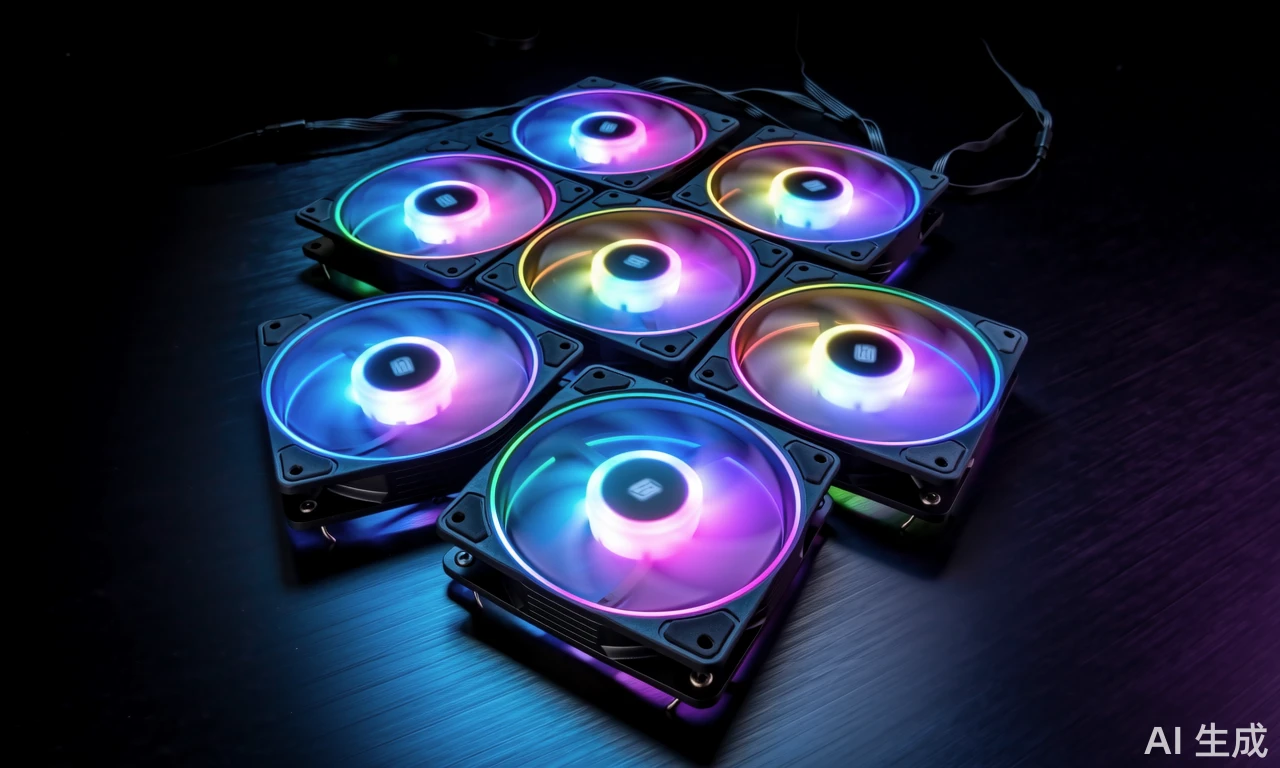
Choosing the right RGB fans for a gaming PC can be surprisingly tricky, especially with so many options on the market. I've been building systems for years, and honestly, the Thermaltake Riing Plus 20 RGB really stands out for its blend of aesthetics and performance. It’s not just about the flashy lights—though the dual-loop RGB is absolutely stunning—it’s about cooling...
What makes large PC fans quieter?
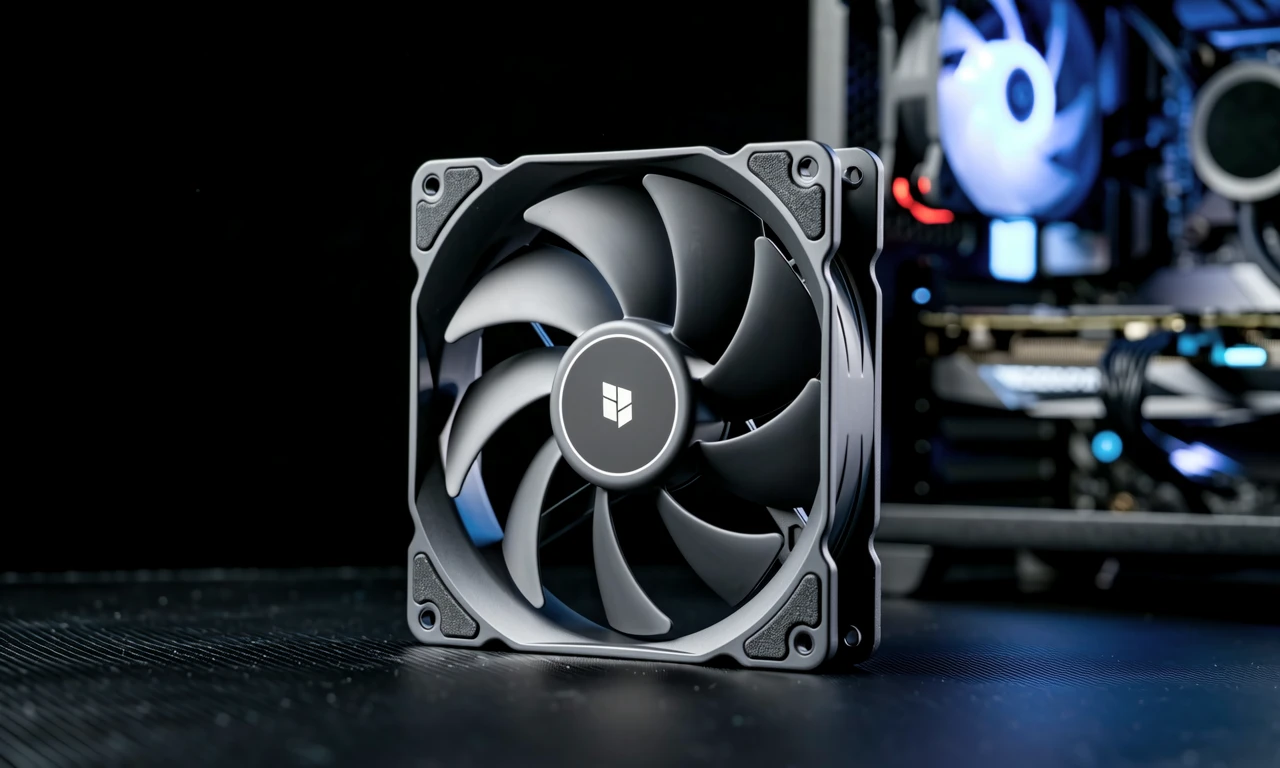
You know, it's fascinating how larger PC fans like that new SilverStone Shark Force 160 ARGB manage to be so quiet while pushing serious airflow. I've always wondered why my 140mm fans seem to whisper compared to the noisy little 120mm ones I used before. It turns out the physics behind this is pretty straightforward - bigger fans can move...
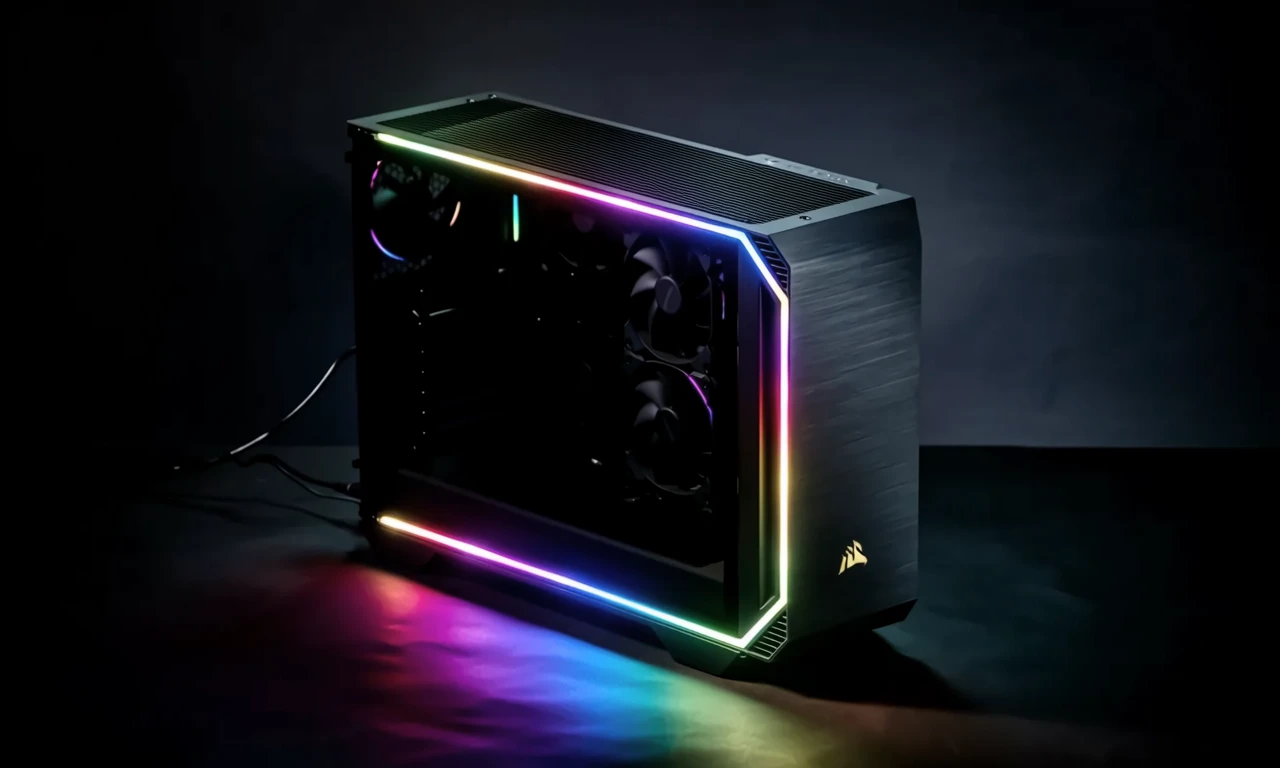
What makes ARGB lighting special?
You know, when I first saw ARGB lighting in PC builds, I thought it was just another flashy gimmick—until I actually tried it. What truly sets ARGB apart isn't just the rainbow colors, but how it transforms your setup into something that feels alive. Unlike traditional RGB lighting with its limited static or cycling modes, ARGB (Addressable RGB) gives you...
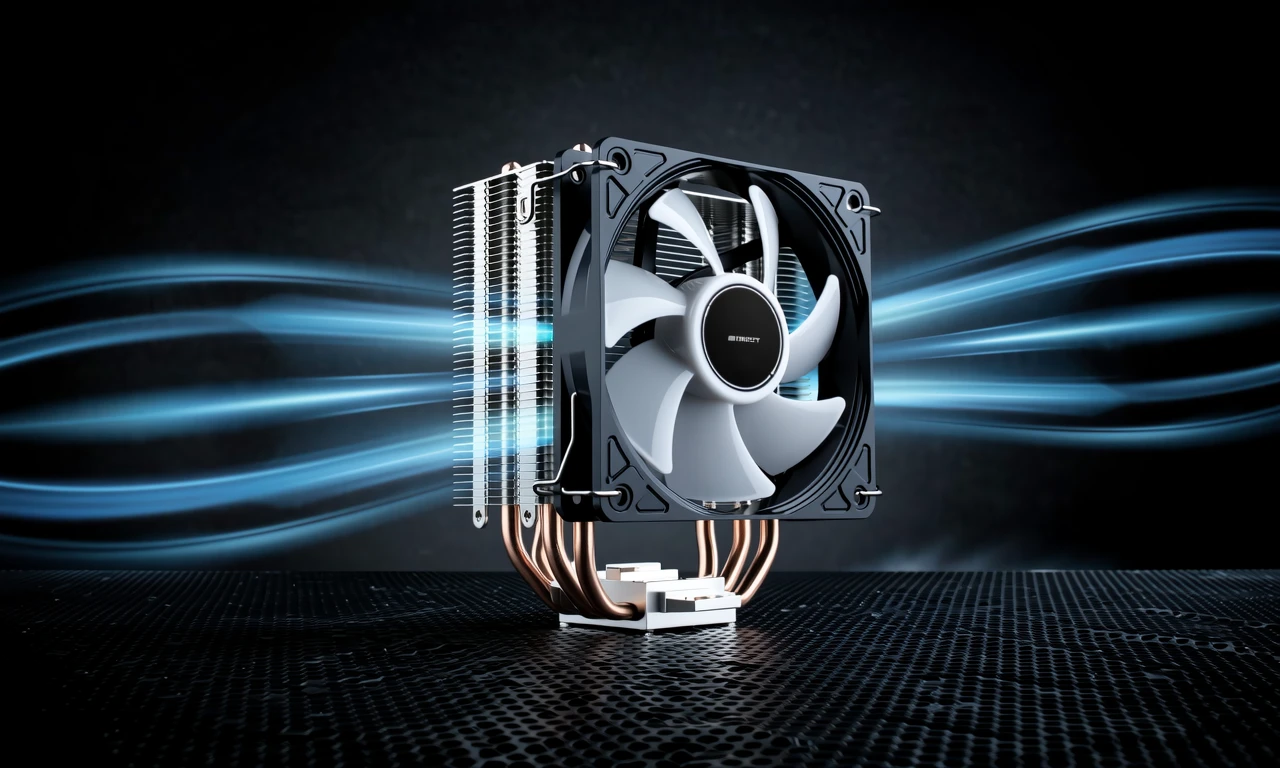
How does fan size affect cooling performance?
When SilverStone introduced their innovative 160mm fan with 140mm mounting compatibility, it really got me thinking - does bigger always mean better when it comes to cooling performance? I mean, we've all seen those massive fans in PC cases and cooling systems, but what's actually happening physics-wise when you scale up fan size? The relationship between fan dimensions and cooling...
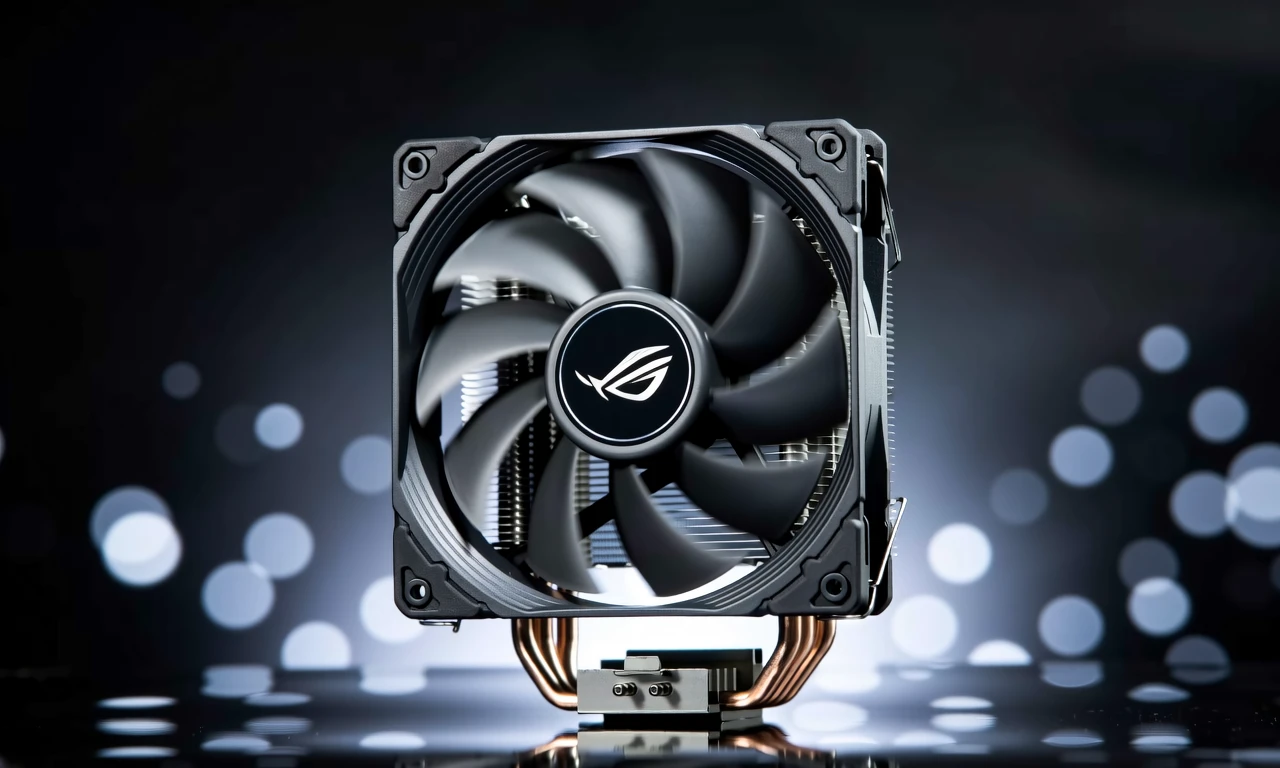
What makes PC cooling fans durable?
You know, when I first heard about the ROG STRIX XF120's claim of 400,000 hours lifespan, I actually paused to do the math - that's over 45 years of continuous operation! It really makes you wonder what engineering magic goes into making PC cooling fans withstand the test of time. We often focus on flashy specs like RGB lighting or...

PC散热技术未来发展趋势
说起PC散热技术的未来,我不禁想起最近评测过的追风者T30-120风扇——那个30mm厚度的设计确实让人眼前一亮。现在的硬件功耗越来越夸张,我那块RTX 4090满载时就像个小暖炉,传统25mm风扇明显力不从心。看到T30-120的测试数据时我挺惊讶的,在同等噪音水平下比常规风扇多出30%的风量,这不正是未来散热技术需要突破的方向吗?厚度与材质的革新之路记得去年采访某散热大厂工程师时,他提到个有趣的观点:未来散热器不仅要解决导热效率,更要重新思考物理结构。就像T30-120用LCP材质做的扇叶,在3000转高速下还能保持0.5mm的叶尖间隙,这种精度控制放在五年前简直难以想象。我猜接下来我们会看到更多“非常规”尺寸的散热方案,说不定明年就能见到35mm厚的风扇?毕竟现在ITX机箱都能塞进i9+4090了,空间利用效率会成为新的竞争焦点。智能温控的进阶玩法T30-120的三段式物理开关给了我很大启发。现在的硬件功耗波动太剧烈了,玩游戏时CPU可能瞬间冲到200W,待机时却不到30W。未来散热系统应该会更像“智能空调”,能通过传感器阵列实时监测热点温度。我测试过某品牌的水冷系统,它就能根据GPU背板温度自动调节水泵转速——这种跨组件联动才是真智能啊!说到这个,突然想起最近某实验室展示的相变材料散热技术。在CPU顶盖内封装特殊材料,温度升高时吸收热量发生相变,这种“热缓冲”设计对瞬间爆发的功耗特别有效。虽然现在成本太高,但三五年后说不定就成为高端标配了。你们觉得这种方案靠谱吗?我总担心长期使用的可靠性问题...噪音控制的永恒命题实测T30-120在2000转时的噪音控制确实惊艳,但开到3000转还是像直升机起飞。未来散热技术要在性能与静音间找到更优雅的平衡点。某厂商正在研发的主动降噪风扇很有意思,通过声波抵消技术降低特定频段噪音,虽然现在效果还不稳定,但这思路确实打开了新世界的大门。最近还注意到液金导热材料开始从笔记本向台式机渗透,据说能比硅脂降低5-8℃。不过涂抹时那个战战兢兢的感觉啊,我第一次用时差点弄到主板上!希望未来能出现更安全的封装形式。话说回来,散热技术的进步总是这样,在解决老问题的同时,又催生出新的挑战——但这不正是DIY乐趣所在吗?
PWM风扇控制技术有哪些优势?
说到PWM风扇控制技术,这真是个让人又爱又好奇的话题。记得第一次接触PWM风扇时,我还在纳闷为什么传统的3针风扇逐渐被4针PWM取代,直到亲眼见证它在不同负载下的表现才恍然大悟。传统DC调速就像是用水龙头调节水流,而PWM则像是用高速开关的水闸——通过精确控制脉冲宽度来调节转速,这种看似简单的原理背后,却蕴含着令人惊艳的技术优势。精准温控的艺术PWM最迷人的地方在于它的精准控制能力。以Phanteks PH-F120MP为例,它的500–1800 RPM转速范围看似普通,但PWM让它在每个转速点都能稳定运行。想象一下,当CPU温度仅轻微上升时,PWM就能以1%为单位的精度微调转速,这比DC调压方式那种“跳档式”的转速变化优雅太多了。实测数据显示,在同等散热需求下,PWM风扇的平均噪音比DC风扇低3-5分贝——这可不是个小数字!能耗与寿命的双重奏有个常见的误解是PWM只是为了精准控温,其实它在能效方面的表现更令人惊喜。由于PWM是通过开关信号控制而非改变电压,电机始终以最佳电压工作,这不仅降低了能量损耗,还显著延长了轴承寿命。像PH-F120MP采用的UFB轴承能达到15万小时寿命,PWM技术功不可没——它避免了低电压下电机扭矩不足导致的轴承磨损,这个细节很多用户可能都没注意到。智能调校的进阶玩法现代PWM技术已经进化到能读懂“温度故事”的程度。通过主板BIOS或配套软件,用户可以设置复杂的温控曲线,让风扇根据不同元件的温度变化做出智能响应。比如游戏时GPU突然升温,PWM风扇能在秒级时间内将转速从静音的800 RPM提升至全力运行的1800 RPM,这种动态响应能力是传统调速方式难以企及的。更妙的是,高级PWM功能还能实现风扇间的协同工作,组建真正意义上的“智能风道系统”。说实话,用过PWM风扇后再回头看传统调速方式,就像用惯智能手机后再去用功能机——虽然都能完成基本任务,但体验完全不在一个维度。随着像Phanteks这样的厂商不断优化PWM算法,未来我们或许能看到更安静、更高效、更聪明的散热解决方案。毕竟,好的技术就是这样,它不会喧宾夺主,却总能让你在不知不觉中享受到它带来的便利。
散热风扇噪音如何影响用户体验?
说到散热风扇的噪音问题,相信很多DIY玩家都深有体会。就在昨天深夜赶稿时,我被机箱里传来的阵阵嗡鸣声吵得心烦意乱,最后不得不拔掉电源线才得以继续工作——这种经历恐怕不少人都遇到过。其实风扇噪音对使用体验的影响远比我们想象中更微妙,它不只是简单的"吵"与"不吵"的区别。噪音如何悄悄消耗你的专注力持续的低频嗡嗡声就像温水煮青蛙,刚开始可能不觉得有什么,但随着时间推移,它会慢慢侵蚀你的注意力。有研究表明,当环境噪音超过35分贝时,人的认知表现就会出现明显下降——这恰好是很多标称"静音"风扇的满载噪音值。更糟糕的是,这种干扰往往是在潜意识层面发生的,你可能都没意识到自己为什么越来越容易分心。记得有位游戏主播跟我吐槽,说他直播时总能听到背景里有细微的"滋滋"声,后来发现是水冷排风扇轴承老化导致的。这种高频噪音在录制视频里特别明显,逼得他不得不重新配置了整个散热系统。你说烦不烦?从技术角度看噪音来源说起来,风扇噪音可不仅仅是转速的问题。像刚才提到的ProArtist H14xPE采用的双滚珠轴承,确实比普通油轴在长期使用中更稳定。但你知道吗?风扇叶片的形状、电机控制方式甚至框架结构都会影响噪音特性。有时候两个标称分贝值相同的风扇,实际听起来可能完全不一样——这就是噪音频率分布不同的结果。我特别欣赏那些在PQ曲线优化上下功夫的产品。比如在低负载时保持极低转速,等到真的需要散热性能时才提高转速,这种智能调节比简单粗暴的定速风扇人性化多了。毕竟谁也不想在浏览网页时也要忍受飞机起飞般的噪音对吧?噪音控制的现实困境不过说实话,要在性能和静音之间找到完美平衡确实不容易。就像H14xPE虽然把满载噪音控制在33分贝左右,但这个数据是在特定测试环境下得出的。实际装在机箱里,加上共振、风切声等各种因素,最终效果可能就要打折扣了。我见过太多用户为了追求极致静音,结果导致硬件过热降频的案例。这让我想起去年帮朋友装机时的经历:他非要买那些标榜"完全静音"的慢速风扇,结果玩游戏时CPU温度直接飙到90度,最后还是换回了性能更强的型号。所以说,选择散热风扇真的不能只看噪音分贝值。轴承类型、风压特性、转速区间这些参数都要综合考虑。毕竟,一个在1500转时依然安静的风扇,远比那个在800转就吱吱作响的所谓"静音风扇"来得实在。你们觉得呢?