| Model | F140X |
|---|---|
| Size | 140 mm |
| Thickness | 30 mm |
| Speed range | –2400 RPM |
| Max airflow | 116 CFM |
| Max pressure | 5.78 mmH₂O |
| Max noise | 41 dBA |
| Bearing | Fluid Dynamic Bearing |
| Connector | 4-pin PWM |
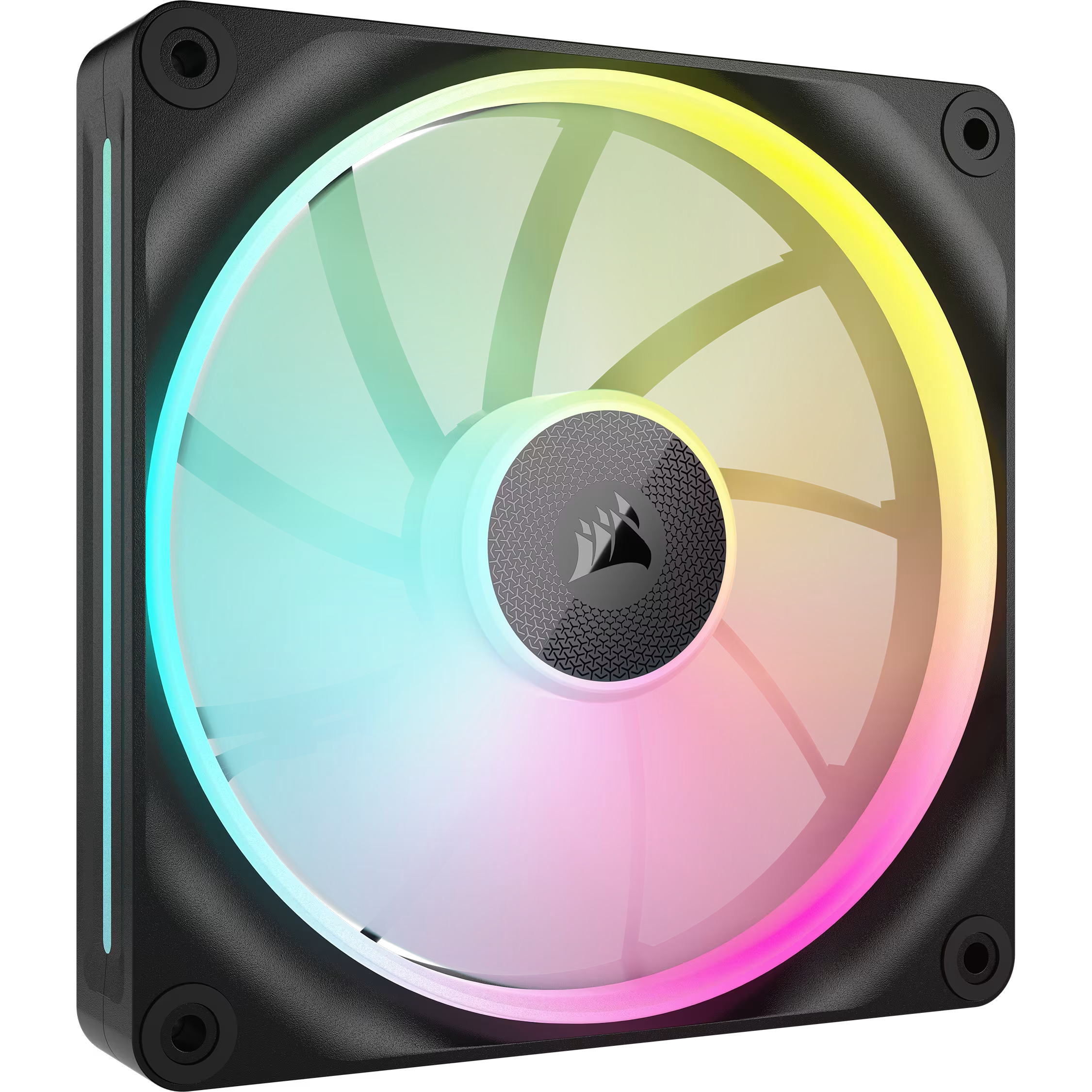
| Lighting | ARGB |
| Colour | Black |
30 mm thick 140 mm flagship pushing 116 CFM and 5.78 mmH2O with a 2400 RPM ceiling
More NZXT fans · All 140mm models · Browse the full fan database
About the NZXT F140X
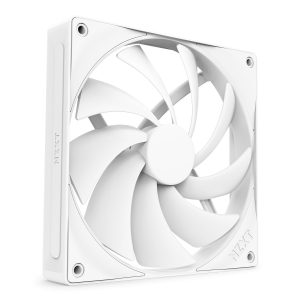
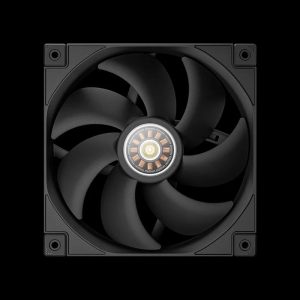
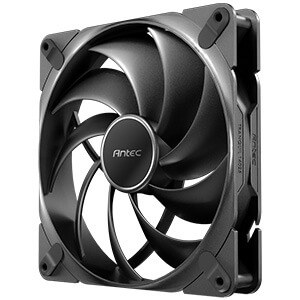
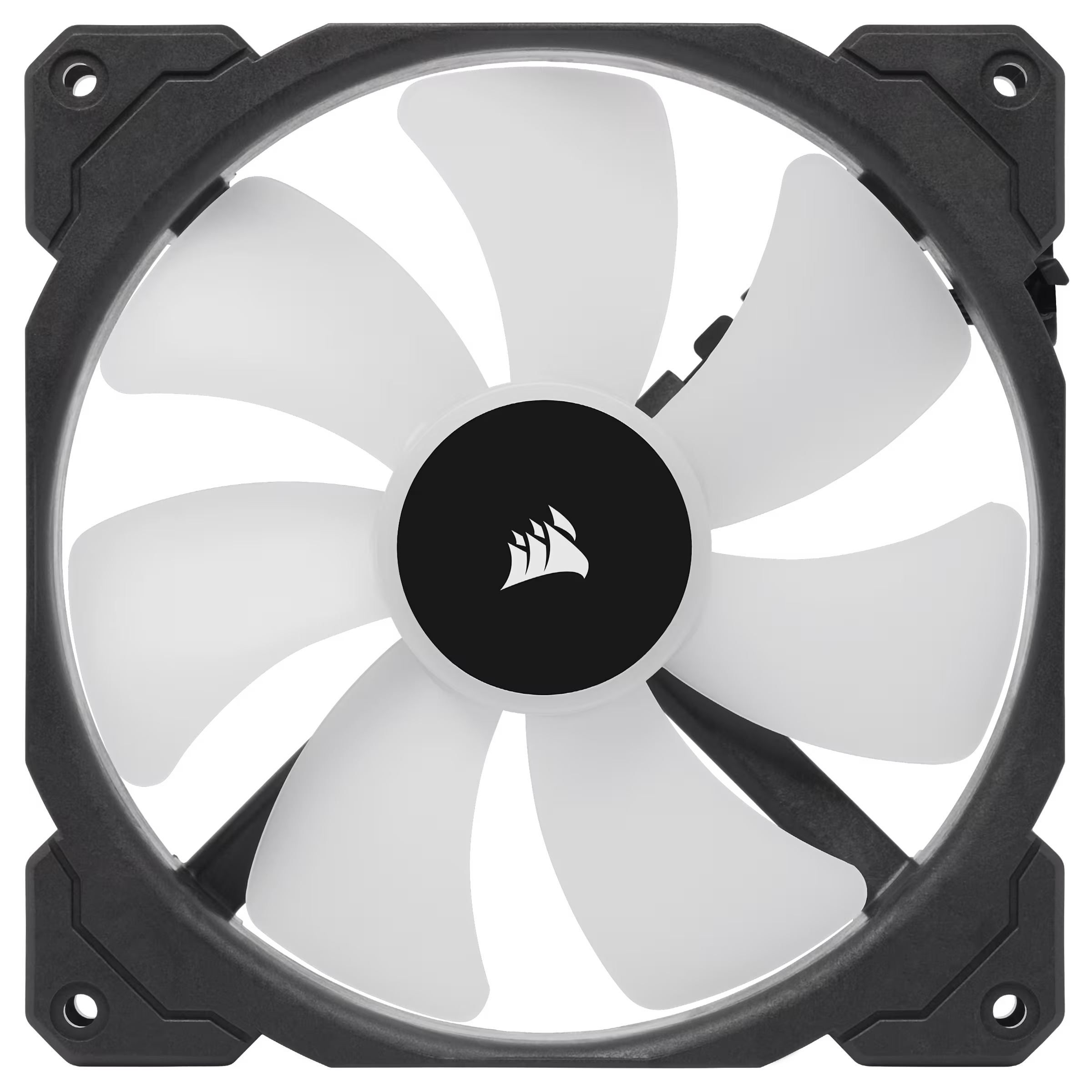
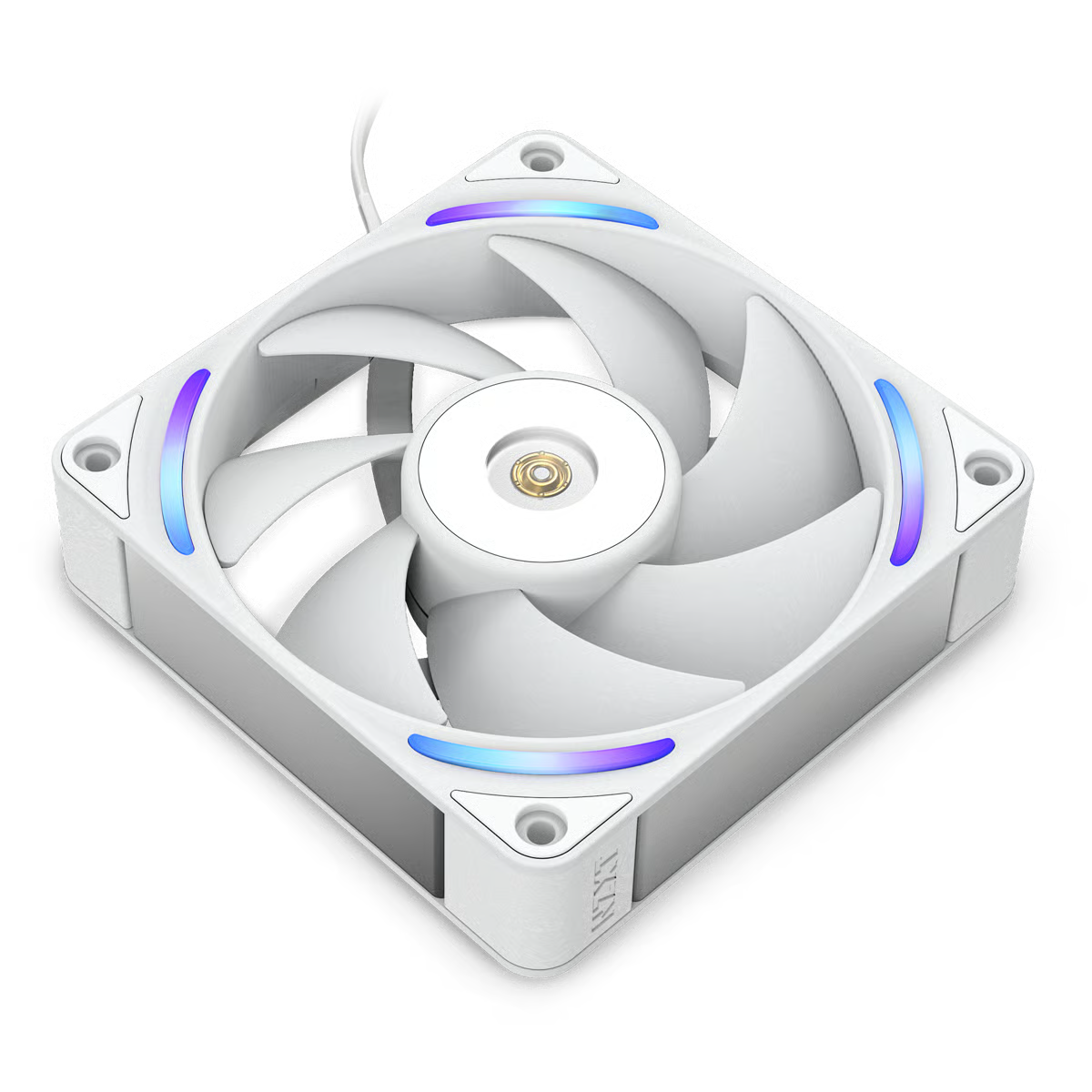
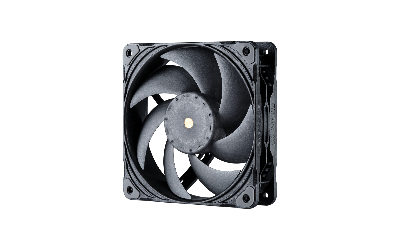
The NZXT F140X is built around a 140mm frame that is 30mm thick, which gives it more room to push air than a standard slim fan. Its 5.78 mmH2O static pressure is the headline number for buyers mounting it on radiators, heatsinks or dense mesh filters, where resistance to airflow is high. The 116 CFM airflow figure means it can also move a large volume of air in open case positions, so it is not limited to pressure-only duties. At a maximum of 2400 RPM, the rated noise is 41 dB(A), so expect audible operation near full speed and quieter running when the PWM curve is tuned lower.
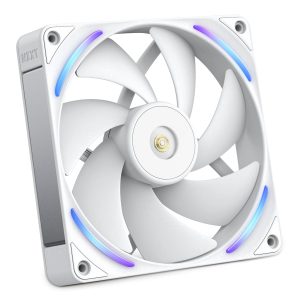
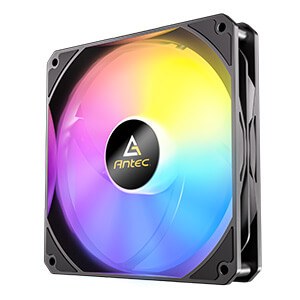
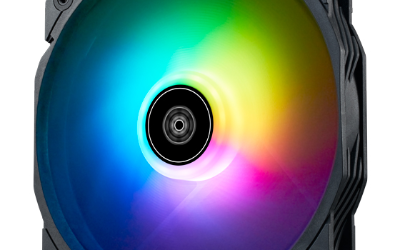
The 4-pin PWM connector lets the fan follow motherboard fan curves, and the fluid dynamic bearing is the stated bearing type. ARGB lighting is listed, so a compatible addressable RGB header is needed for the lighting. The colour is black and the diameter is 140mm with 30mm thickness, so check clearance for the extra depth. The data does not list a price or release year.
Frequently asked questions
Is the NZXT F140X quiet at full speed?
The manufacturer rates it at 41 dB(A) at its 2400 RPM maximum. That is an audible figure, so buyers wanting quieter operation should use the 4-pin PWM control to run it below maximum speed.
What is the NZXT F140X best used for?
Its 5.78 mmH2O static pressure suits radiators, heatsinks and restrictive filters, while the 116 CFM airflow also makes it usable for general case airflow. The 140mm size and 30mm thickness require clearance checks.
Does the NZXT F140X have RGB and what connector does it use?
Yes, the data lists ARGB lighting, which requires a compatible addressable RGB header for control. The fan itself connects via a 4-pin PWM connector. The data does not list a price.