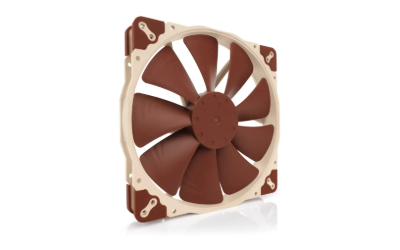
| Model | NF-S12B redux-1200 PWM |
|---|---|
| Size | 120 mm |
| Thickness | 25 mm |
| Speed range | 400–1200 RPM |
| Max airflow | 59.21 CFM |
| Max pressure | 1.31 mmH₂O |
| Max noise | 18.1 dBA |
| Bearing | SSO2 |
| Connector | 4-pin PWM |
| Lighting | None |
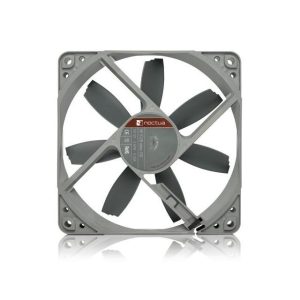
| Colour | Grey |
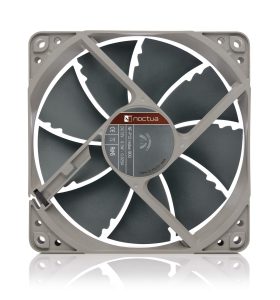
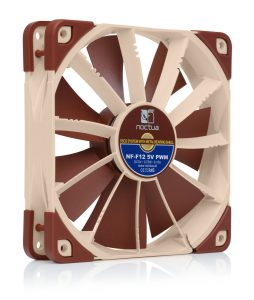
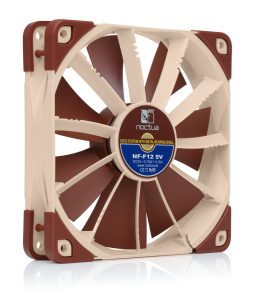
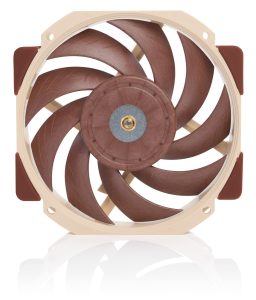
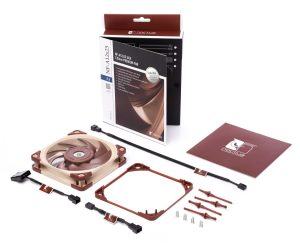
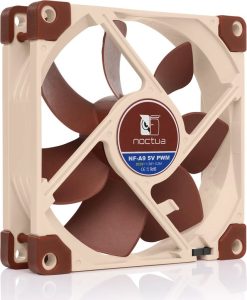
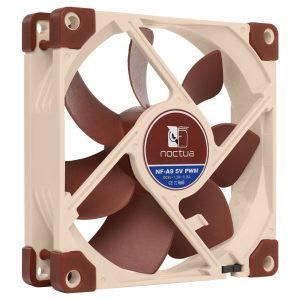
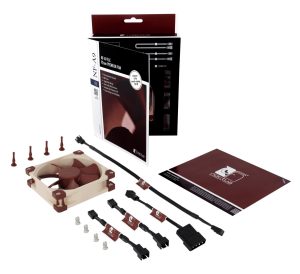
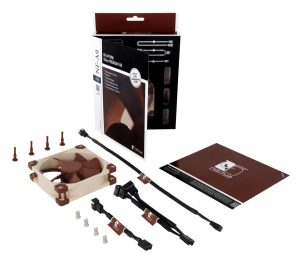
NF-S12B redux-1200 PWM: Streamlined redux edition offering proven Noctua quality at an attractive price
More Noctua fans · All 120mm models · Browse the full fan database
About the NF-S12B redux-1200 PWM
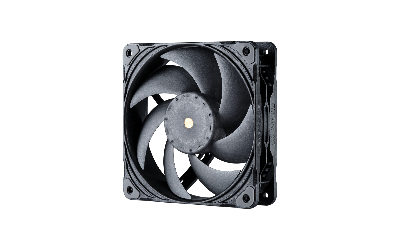
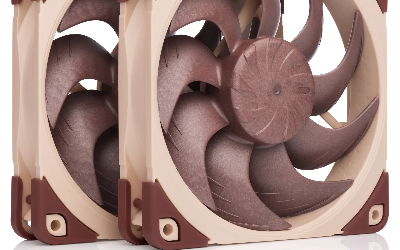
The NF-S12B redux-1200 PWM is a 120mm, 25mm-thick grey fan built around Noctua's SSO2 bearing and a 4-pin PWM connector. Its 59.21 CFM airflow against 1.31 mmH2O static pressure marks it as an airflow-first design, so it suits case intake and exhaust positions where air moves freely rather than dense radiators or tight mesh filters, where higher static pressure is usually wanted. The 400–1200 RPM range lets the PWM header scale speed with load, and the rated 18.1 dB(A) describes the fan at its maximum, so expect quieter running at lower duty cycles. Mounting follows standard 120mm spacing at 25mm thickness, and the 4-pin connector needs a PWM-capable header or splitter. The data does not list a price or release year, so check the retailer listing for current pricing.
Frequently asked questions
Is the NF-S12B redux-1200 PWM quiet enough for a bedroom PC?
Noctua rates it at 18.1 dB(A) at its 1200 RPM maximum, and the 400 RPM minimum lets PWM lower the speed under light load. Actual perceived noise depends on your case, mounting and fan curve, which the data does not quantify.
What is the NF-S12B redux-1200 PWM best used for?
With 59.21 CFM airflow and 1.31 mmH2O static pressure, it is an airflow-oriented fan suited to case intake and exhaust. For dense radiators or restrictive filters, its relatively low static pressure is the weaker figure in the spec sheet.
Does the NF-S12B redux-1200 PWM have RGB lighting or need a special header?
The data lists lighting as none, so it is a plain grey fan with no RGB. It uses a 4-pin PWM connector, so it needs a PWM-capable motherboard header or a splitter to control speed across the 400–1200 RPM range.