| Model | SU1225FD12H-RP |
|---|---|
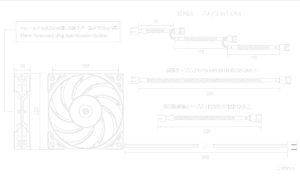
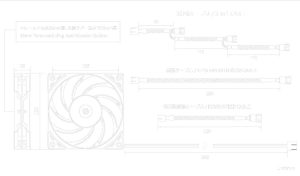
| Size | 120 mm |
| Thickness | 27 mm |
| Speed range | 0–2000 RPM |
| Max airflow | 89.04 CFM |
| Max pressure | 2.99 mmH₂O |
| Max noise | 38.0 dBA |
| Connector | 3-pin |
| Lighting | None |
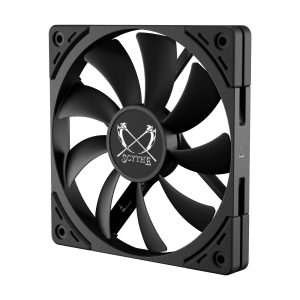
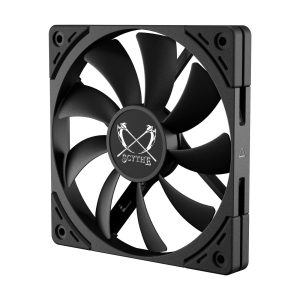
| Colour | Black |
More Scythe fans · All 120mm models · Browse the full fan database
About the Scythe Kaze Flex 120 SU1225FD12H-RP Fan
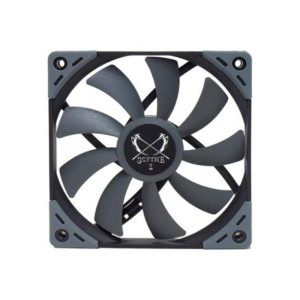
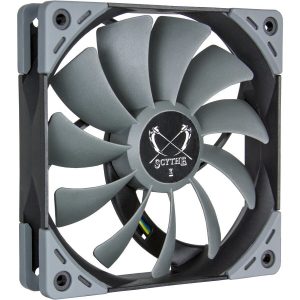
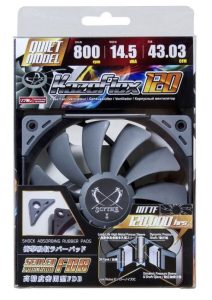
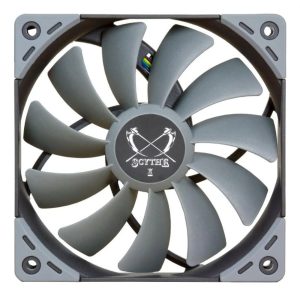
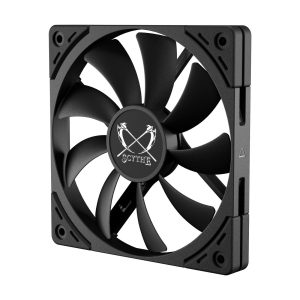
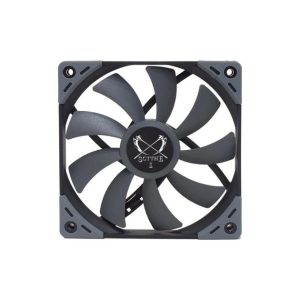
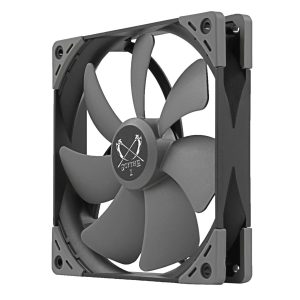
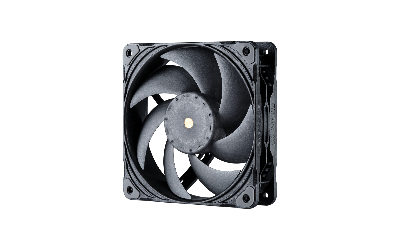
The Scythe Kaze Flex 120 SU1225FD12H-RP is a 120mm fan with a 27mm frame, so it is slightly thicker than standard 25mm fans and needs a little extra clearance at the mounting point. Its 2.99 mmH2O static pressure is the standout figure: this is a fan intended for pushing air through resistance such as heatsink fins or a radiator, while the 89.04 CFM airflow figure shows it also moves a large volume of air at its 2000 RPM maximum. The 0 RPM minimum means the fan can be stopped entirely by a controller.
The 38.0 dB(A) rating is the manufacturer's figure at full speed, so buyers should expect noticeable noise at 2000 RPM and quieter operation when the speed is reduced. The 3-pin connector means speed control depends on the header or controller used rather than PWM. There is no lighting and the colour is black. The data does not list a price or release year.
Frequently asked questions
Is the Scythe Kaze Flex 120 SU1225FD12H-RP quiet?
Scythe rates this fan at 38.0 dB(A), which is its manufacturer noise figure at the 2000 RPM maximum. Expect audible noise at full speed; running it slower via a controller should reduce that, though the data does not list noise at other speeds.
What is the Scythe Kaze Flex 120 SU1225FD12H-RP best for?
With 2.99 mmH2O static pressure and 89.04 CFM airflow, it suits resistance-heavy setups such as heatsinks and radiators, where pressure matters. Its 120mm size and 27mm thickness fit standard 120mm mounts with extra depth clearance.
Does the Scythe Kaze Flex 120 SU1225FD12H-RP have RGB lighting?
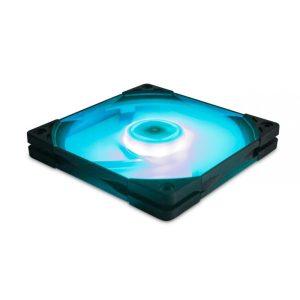
No. The manufacturer data lists lighting as none, and the fan colour is black. It uses a 3-pin connector rather than a 4-pin PWM header, so speed control depends on the header or fan controller you connect it to.