| Model | KF9215FD25R-P |
|---|---|
| Size | 92 mm |
| Thickness | 16 mm |
| Speed range | 300–2500 RPM |
| Max airflow | 41.3 CFM |
| Max pressure | 1.36 mmH₂O |
| Max noise | 23.2 dBA |
| Connector | 4-pin PWM + 4-pin RGB |
| Lighting | RGB |
| Colour | Black |
More Scythe fans · All 92mm models · Browse the full fan database
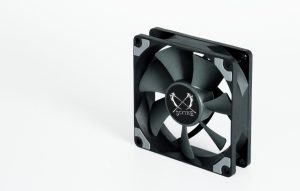
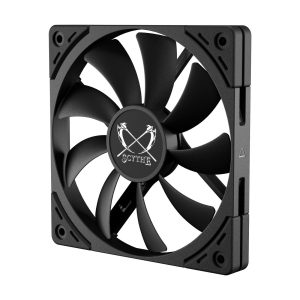
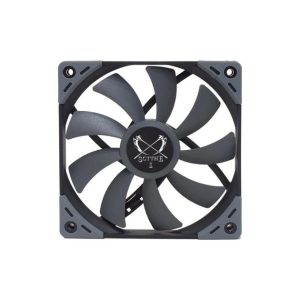
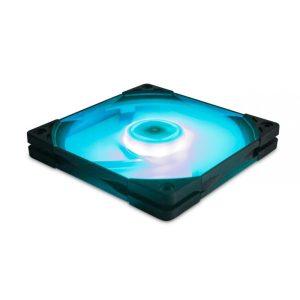
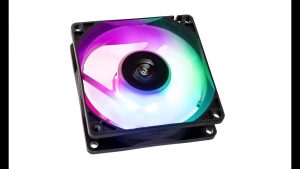
About the Scythe Kaze Flex 92 Slim RGB KF9215FD25R-P Fan
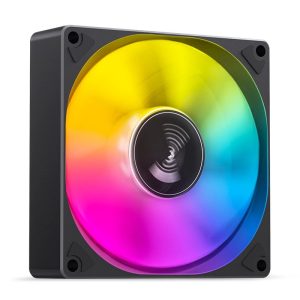
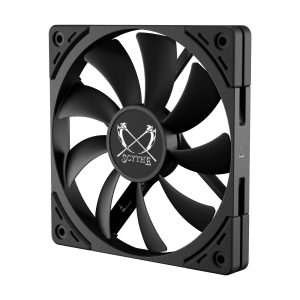
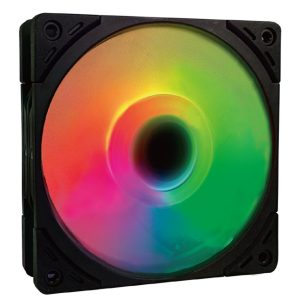
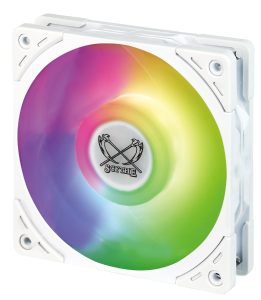
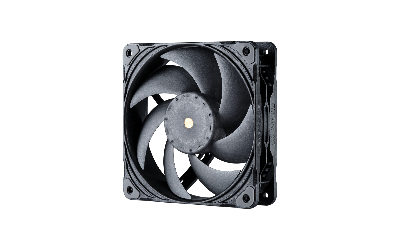
The Kaze Flex 92 Slim RGB KF9215FD25R-P is a 92mm fan just 16mm thick, so it suits tight builds where a standard 25mm fan will not clear. Its 41.3 CFM airflow at 2500 RPM points to case ventilation and general airflow duty, while the 1.36 mmH2O static pressure is modest, so buyers pushing air through dense heatsinks or filters should weigh that figure against their restriction. At full speed the rated noise is 23.2 dB(A); the 300 RPM minimum lets you run it slower, though the data does not list noise at reduced speeds.
Mounting uses a 4-pin PWM header for speed control plus a separate 4-pin RGB connector, so your board or controller needs both. The black frame with RGB lighting gives lighting flexibility. The data does not list a price or release year, so check the retailer for current pricing before deciding whether the slim profile and RGB justify the cost for your build.
Frequently asked questions
Is the Scythe Kaze Flex 92 Slim RGB KF9215FD25R-P quiet?
Scythe rates it at 23.2 dB(A) at its 2500 RPM maximum. The 300 RPM minimum lets you run it slower, but the data does not list noise levels at reduced speeds, so the 23.2 dB(A) figure is the only published value.
What is this 92mm fan best used for?
With 41.3 CFM airflow and 1.36 mmH2O static pressure, it suits case ventilation and low-restriction airflow spots. The modest static pressure means dense heatsinks or restrictive filters may not be its strongest use, based on the listed figures.
Will the Kaze Flex 92 Slim RGB fit a tight space and how does it connect?
It is 92mm wide and only 16mm thick, which helps in slim clearances, though you should confirm your mount. It needs a 4-pin PWM header for speed control and a separate 4-pin RGB connector for lighting.