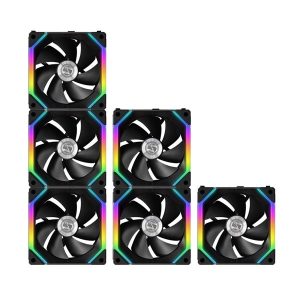
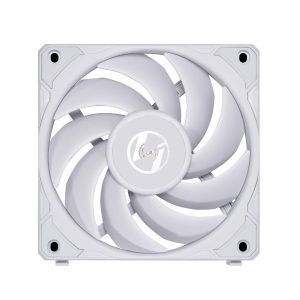
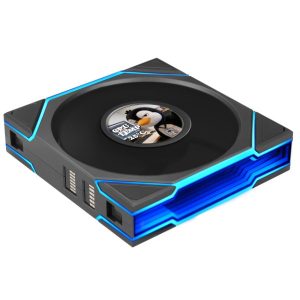
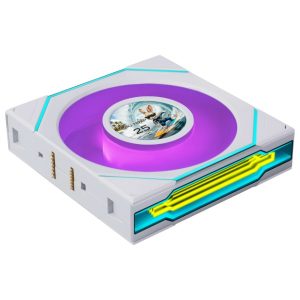
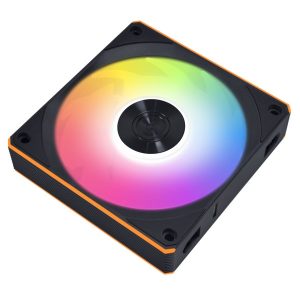
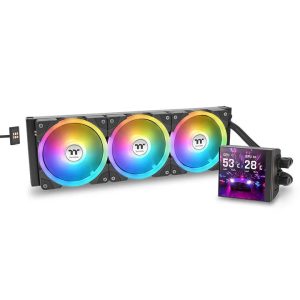
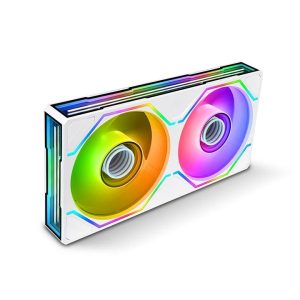
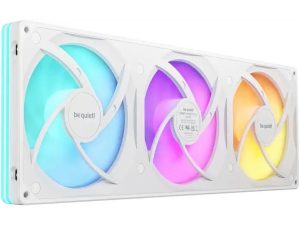
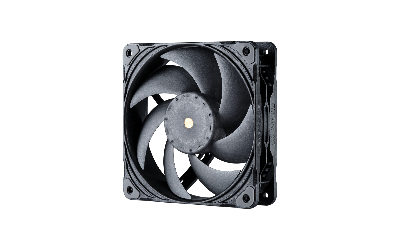
| Model | UNI FAN TL LCD FLEX |
|---|---|
| Size | 120 mm |
| Thickness | 28 mm |
| Speed range | –1900 RPM |
| Max airflow | 66 CFM |
| Max pressure | 2.7 mmH₂O |
| Max noise | 26 dBA |
| Bearing | Fluid Dynamic Bearing |
| Connector | 4-pin PWM |
| Lighting | ARGB |
| Colour | Black |
| Released | 2026 |
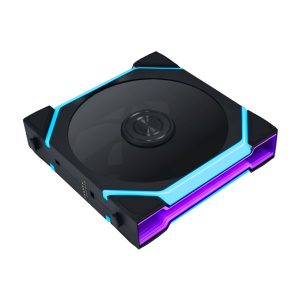
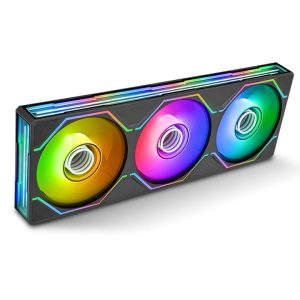
LCP performance fan fitted with a 1.8 inch LCD hub aimed at high end showcase builds
More Lian Li fans · All 120mm models · Browse the full fan database
About the Lian Li UNI FAN TL LCD FLEX
The Lian Li UNI FAN TL LCD FLEX is a 120mm, 28mm-thick ARGB fan rated for 1900 RPM, 66 CFM airflow and 2.7 mmH2O static pressure. That combination suits buyers who want strong airflow through open case panels while still pushing through a radiator or mesh filter; the 2.7 mmH2O figure is the number to weigh if your build is restriction-heavy. Noise is listed at 26 dB(A), so expect a moderate rather than near-silent profile at full speed.
Mounting uses a standard 120mm footprint, though the 28mm thickness is deeper than common 25mm fans, so check clearance at the frame edge. The 4-pin PWM connector allows speed control from the motherboard, and ARGB lighting is included in black. The Fluid Dynamic Bearing is the stated bearing type. Lian Li lists a 2026 release year; the data does not list a price, so confirm that with the retailer.
Frequently asked questions
Is the Lian Li UNI FAN TL LCD FLEX quiet at full speed?
Lian Li rates it at 26 dB(A), which is a moderate noise level rather than a silent one. PWM control via the 4-pin connector lets you lower the 1900 RPM maximum, but the data does not list noise at reduced speeds.
Is this fan better for a radiator or for case airflow?
It offers 66 CFM airflow and 2.7 mmH2O static pressure, so it can serve either role. The static pressure figure makes it a reasonable candidate for radiators and filtered intakes, while 66 CFM supports general case airflow.
What size clearance does the 28mm thickness need?
It is a 120mm fan that is 28mm thick, which is deeper than the common 25mm standard. Check clearance behind the mounting frame, especially near drive cages or top panels, before installing it in tight builds.