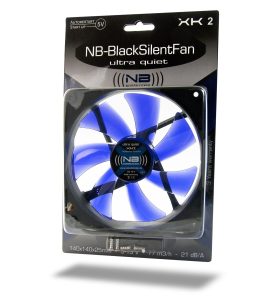
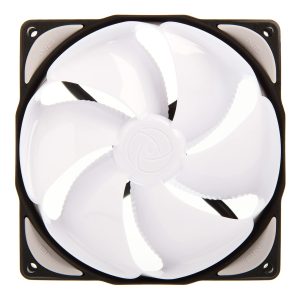
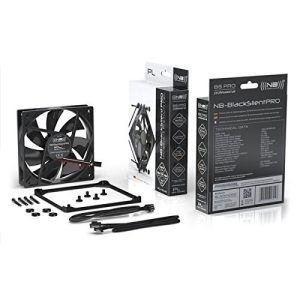
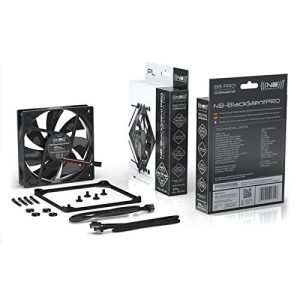
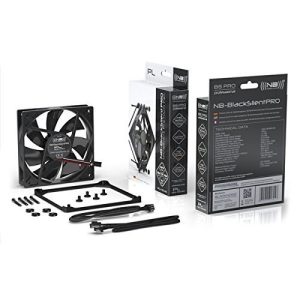
| Model | NB-BlackSilentFan XL-1 |
|---|---|
| Size | 120 mm |
| Thickness | 25 mm |
| Speed range | 0–1000 RPM |
| Max airflow | 40.61 CFM |
| Max noise | 13.2 dBA |
| Connector | 3-pin |
| Lighting | None |
| Colour | Black |
More Noiseblocker fans · All 120mm models · Browse the full fan database
About the Noiseblocker NB-BlackSilentFan XL-1 Fan
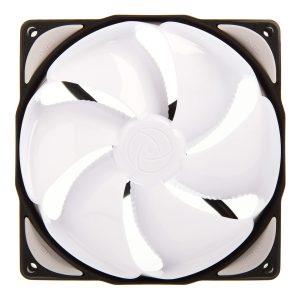
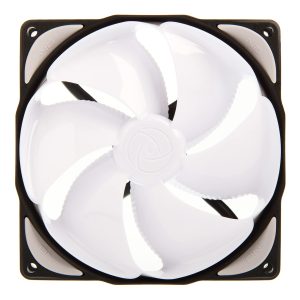
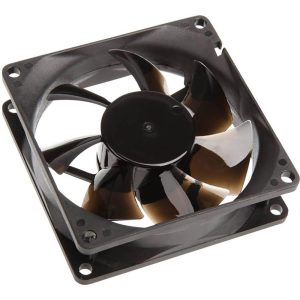
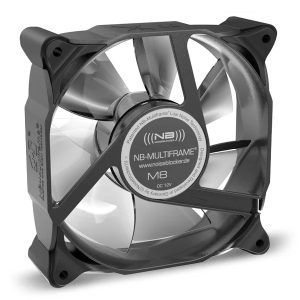
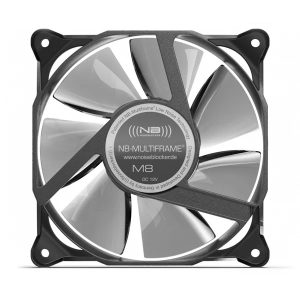
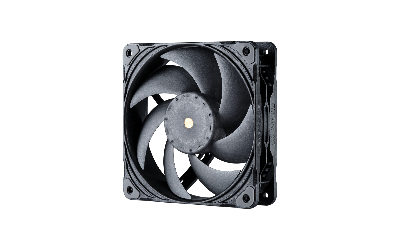
The Noiseblocker NB-BlackSilentFan XL-1 is a 120 mm fan with a 25 mm frame, so it fits the standard case and cooler mounting spacing most buyers already have. Its 1000 RPM ceiling and 40.61 CFM rating point to a low-speed, airflow-first design rather than a high static-pressure fan, which makes it a sensible pick for case intake or exhaust where open grilles and mesh are involved. The 13.2 dB(A) figure is the headline: at this speed range the fan is intended to stay quiet, though the data does not list a measured noise curve or bearing type.
The 3-pin connector means speed control depends on your motherboard's voltage control rather than PWM, so check that your header supports it. The minimum RPM is listed as 0, and the data does not state whether that reflects a stop mode or simply the lower limit of the range. Colour is black with no lighting. Price and release year are not listed in the data, so compare retailers for current pricing.
Frequently asked questions
Is the Noiseblocker NB-BlackSilentFan XL-1 quiet?
The manufacturer rates it at 13.2 dB(A) with a maximum of 1000 RPM, which is a low-speed design. The data does not include a noise curve across the RPM range, so actual loudness at lower voltages is not specified.
What is the NB-BlackSilentFan XL-1 best used for?
With 40.61 CFM and a 1000 RPM ceiling, it suits low-noise case airflow such as intake or exhaust through mesh and open grilles. The data does not list static pressure, so it is not presented as a radiator or dense-filter fan.
Does the XL-1 have RGB lighting or a PWM connector?
No. The data lists lighting as none and the connector as 3-pin, not 4-pin PWM. Speed control therefore depends on voltage control from your motherboard header rather than a PWM signal.