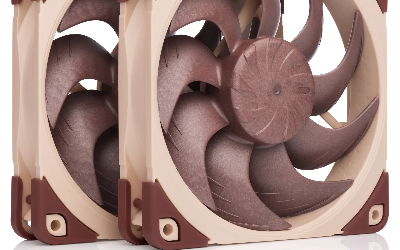
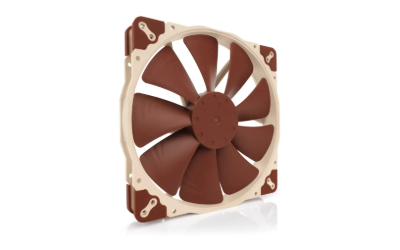
| Model | D30-120 Reversed |
|---|---|
| Size | 120 mm |
| Thickness | 30 mm |
| Speed range | 250–2000 RPM |
| Max airflow | 61.5 CFM |
| Max pressure | 2.72 mmH₂O |
| Max noise | 31.8 dBA |
| Bearing | Fluid Dynamic Bearing |
| Connector | 4-pin PWM, 5V |
| Lighting | ARGB |
| Colour | Black |
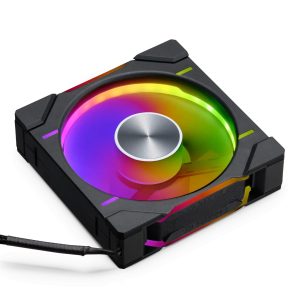
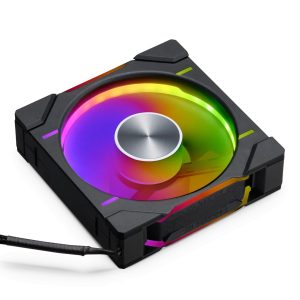
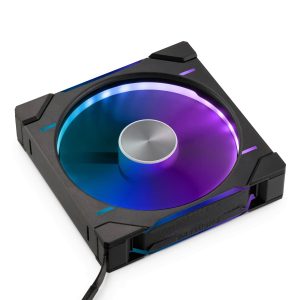
Reverse blade D30 for inward facing lighting in showcase builds with a 2000 RPM ceiling
More Phanteks fans · All 120mm models · Browse the full fan database
About the Phanteks D30-120 Reversed
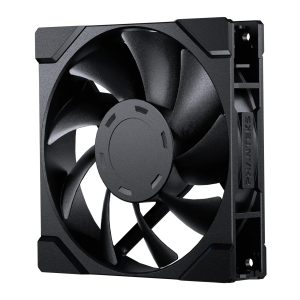
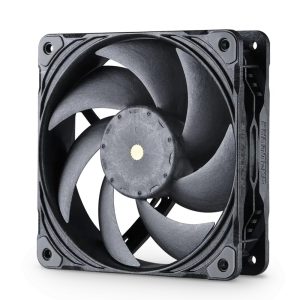
The Phanteks D30-120 Reversed is a 120mm fan with a 30mm frame, so it is thicker than standard 25mm fans and needs a little more clearance at the mounting point. Its 2.72 mmH2O static pressure is the standout figure, which points to radiator and heatsink use where air must be pushed through dense fins. Airflow is listed at 61.5 CFM, so it can also move air as a case fan, though the pressure rating is the stronger reason to choose it.
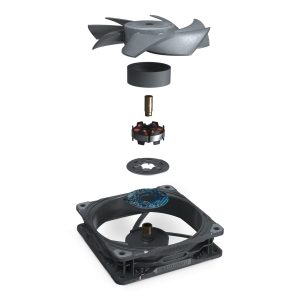
Speed runs from 250 to 2000 RPM through a 4-pin PWM connector, and the listed noise is 31.8 dB(A) at maximum. Expect the fan to be quiet at low RPM and more audible near the top of its range, since the data gives only one noise figure. ARGB lighting uses a 5V connection, so plan for both PWM and 5V ARGB headers. The bearing is fluid dynamic, the colour is black, and the data does not list a price or release year.
Frequently asked questions
Is the Phanteks D30-120 Reversed quiet at full speed?
The manufacturer lists 31.8 dB(A), which is the noise figure at its maximum 2000 RPM. At the 250 RPM minimum it should be much quieter, but the data gives no separate low-speed noise value.
What is the Phanteks D30-120 Reversed best used for?
With 2.72 mmH2O static pressure and 61.5 CFM airflow, it suits radiators, heatsinks and other restrictive mounts where pressure matters. It can also serve as a case fan, but the pressure rating is its main advantage.
What connectors and size does the Phanteks D30-120 Reversed need?
It is a 120mm fan that is 30mm thick, so check clearance for the extra depth. It uses a 4-pin PWM connector plus a 5V ARGB connection, so your board or controller needs both headers.