| Model | CL-F241-PL12SW-A |
|---|---|
| Size | 120 mm |
| Thickness | 28 mm |
| Speed range | 500–2000 RPM |
| Max airflow | 68.20 CFM |
| Max pressure | 3.05 mmH₂O |
| Max noise | 28 dBA |
| Bearing | Hydraulic Bearing |
| Connector | 2510-4 Pin + 5V ARGB 3-Pin |
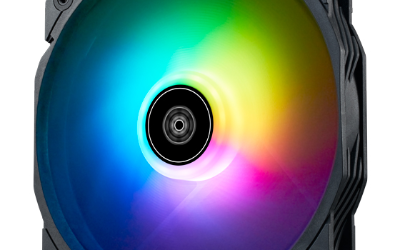
| Lighting | ARGB |
| Colour | Black |
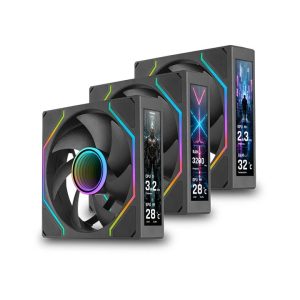
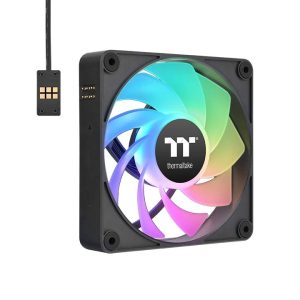
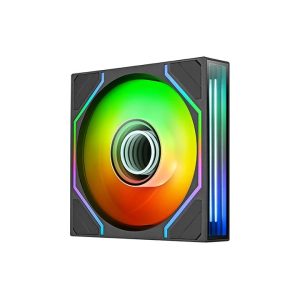
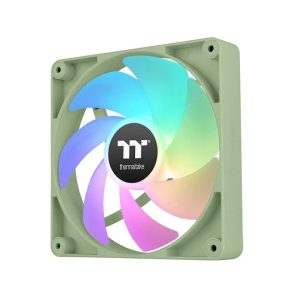
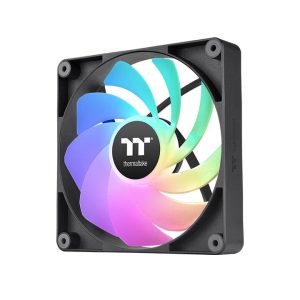
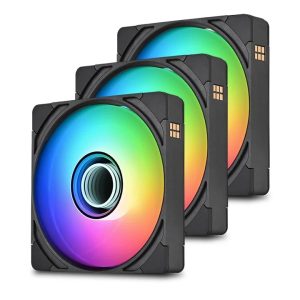
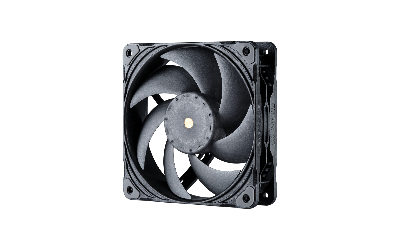
CL-F241-PL12SW-A is a 28 mm thick 120 mm ARGB fan reaching 2000 RPM with 68.20 CFM and 3.05 mmH2O static pressure
More Thermaltake fans · All 120mm models · Browse the full fan database
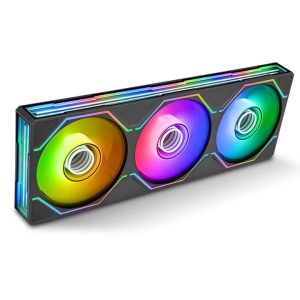
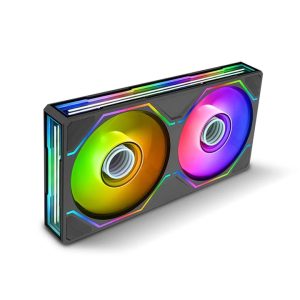
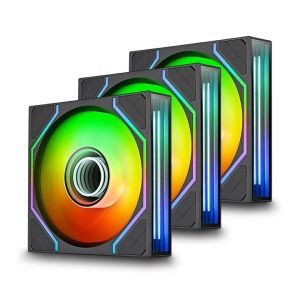
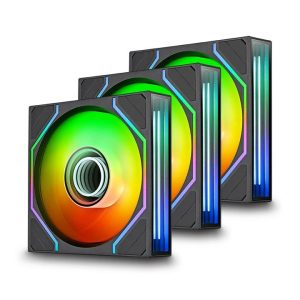
About the Thermaltake CT120 EX INFINITY ARGB Sync 3-Fan Pack
The CT120 EX INFINITY ARGB Sync 3-Fan Pack pairs 68.20 CFM of airflow with 3.05 mmH2O of static pressure, so these 120 mm fans suit both open case ventilation and resistance such as radiators or dense filters. The 500–2000 RPM range lets you tune between low-speed running and full output, with a rated noise of 28 dB(A) at the top end. Buyers should expect the loudest operation near 2000 RPM and quieter running toward the 500 RPM floor.
Each fan is 28 mm thick rather than the common 25 mm, so check clearance at mounting points before fitting. Hydraulic bearings are listed for the fan motors. The 2510-4 pin connector handles power and control, while a separate 5V ARGB 3-pin connector drives the lighting, so your motherboard or controller needs a 5V ARGB header. The data does not list a price or release year.
Frequently asked questions
Are the Thermaltake CT120 EX INFINITY fans quiet?
Thermaltake rates the CT120 EX INFINITY at 28 dB(A), with a 500–2000 RPM range. The data does not give noise figures for lower speeds, so expect the 28 dB(A) rating to represent the fan near its 2000 RPM maximum.
Is this 3-fan pack good for a radiator or case airflow?
It can suit both. The 68.20 CFM airflow figure favors open case ventilation, while 3.05 mmH2O static pressure is the number to weigh for radiators and filters. The 28 mm thickness means checking clearance at your mounting points.
What connectors does the CT120 EX INFINITY ARGB use?
Each fan uses a 2510-4 pin connector for power and control plus a separate 5V ARGB 3-pin connector for lighting. Your motherboard or ARGB controller therefore needs a 5V ARGB header, not a 12V RGB header.