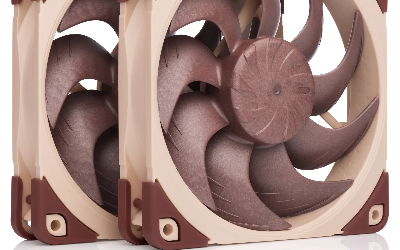
| Model | PH-F140T30_BG_3P |
|---|---|
| Size | 140 mm |
| Thickness | 30 mm |
| Speed range | –2500 RPM |
| Max airflow | 140 CFM |
| Max pressure | 5.41 mmH₂O |
| Max noise | 44.3 dBA |
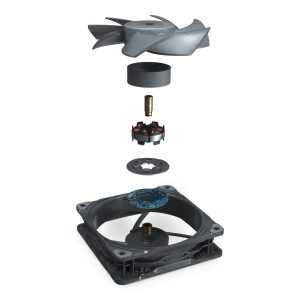
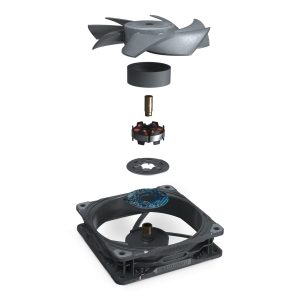
| Bearing | Magnetic Levitation (VAPO) |
| Connector | 4-Pin PWM Daisy-chain |
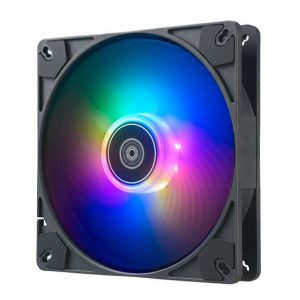
| Lighting | None |
| Colour | Grey |
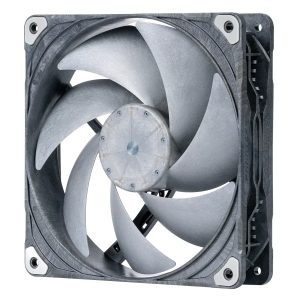
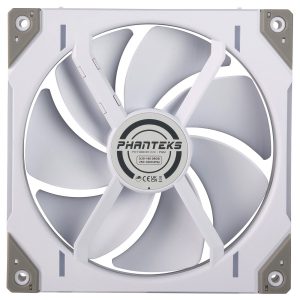
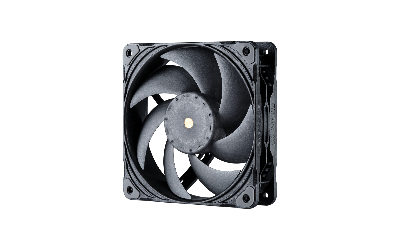
Phanteks T30-140 is a 140 mm 30 mm fan rated 0-2500 RPM with 140 CFM and 5.41 mmH2O at 44.3 dBA
More Phanteks fans · All 140mm models · Browse the full fan database
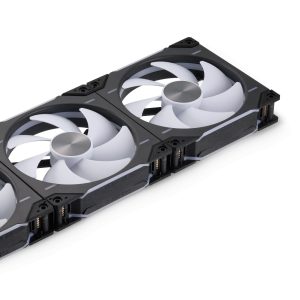
About the Phanteks T30-140 140mm PWM Fan 3-Fan Pack
The T30-140 pairs a 140mm frame with a 30mm thickness, which gives it room for a 2500 RPM ceiling and 140 CFM of airflow. Its 5.41 mmH2O static pressure is the number that matters on radiators, heatsinks and dense mesh fronts, where thin high-airflow fans tend to stall; the airflow figure suits open case ventilation as well. Buyers should expect up to 44.3 dB(A) at full speed, so plan on a PWM curve if silence matters at idle.
Mounting uses standard 140mm spacing, but the extra 10mm of thickness means checking clearance behind drive cages, top panels and radiator stacks. The 4-Pin PWM daisy-chain connector lets the three fans share a single header run, and the magnetic levitation (VAPO) bearing is the stated bearing type. There is no lighting and the colour is grey. The data does not list a price or release year.
Frequently asked questions
Is the Phanteks T30-140 3-Fan Pack quiet at full speed?
The listed noise figure is 44.3 dB(A), which is the maximum rating in the manufacturer data. That is loud for a desk-side build at 2500 RPM, so use a PWM curve and lower speeds when silence matters.
Is the T30-140 better for radiators or case airflow?
Both are covered by the data: 5.41 mmH2O static pressure suits radiators, heatsinks and restrictive mesh, while 140 CFM airflow suits open case ventilation. The 30mm thickness is the main clearance consideration either way.
Does the Phanteks T30-140 3-Fan Pack have RGB lighting?
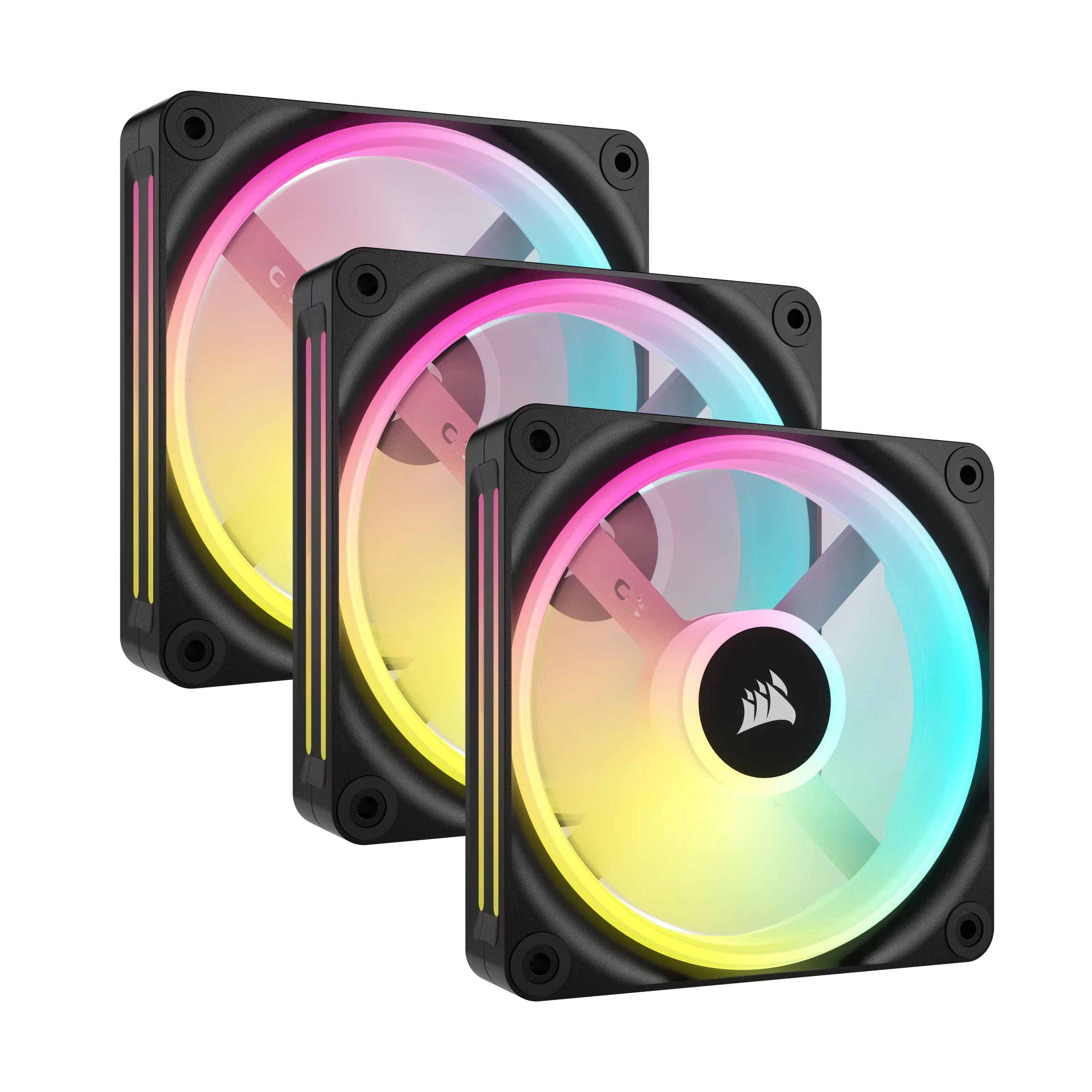
No. The manufacturer data lists lighting as none and the colour as grey. The three fans connect through a 4-Pin PWM daisy-chain connector, so wiring is shared, but there are no LEDs to control.