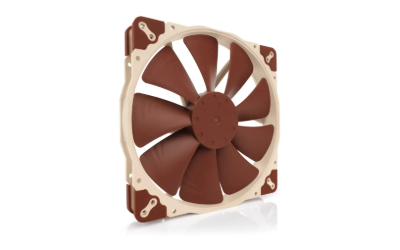
| Size | 140 mm |
|---|---|
| Thickness | 30 mm |
| Speed range | 250–1800 RPM |
| Max airflow | 71.93 CFM |
| Max pressure | 3.32 mmH₂O |
| Max noise | 29.5 dBA |
| Bearing | Fluid Dynamic Bearing |
| Connector | 4-Pin PWM Daisy-chain + 3-Pin JST D-RGB |
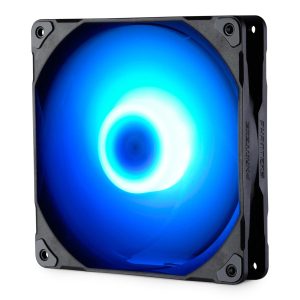
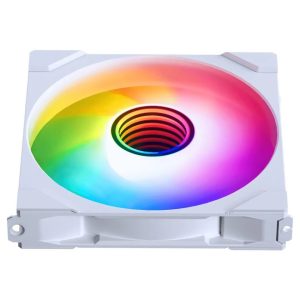
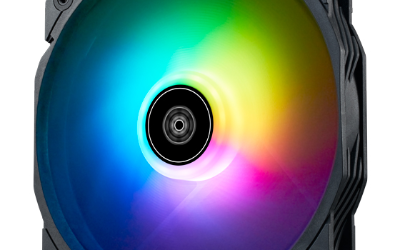
| Lighting | ARGB |
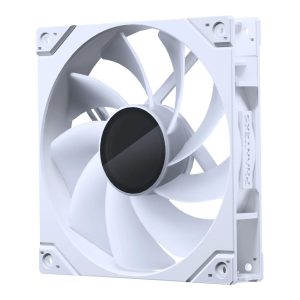
| Colour | White |
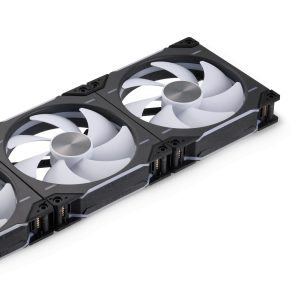
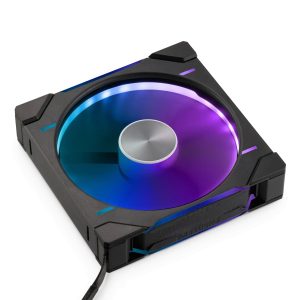
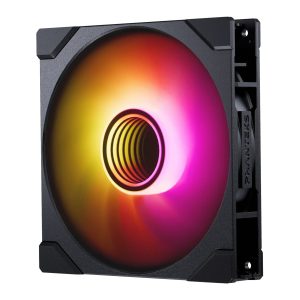
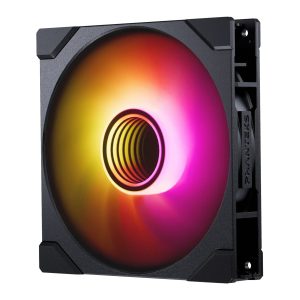
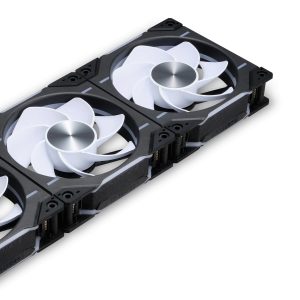
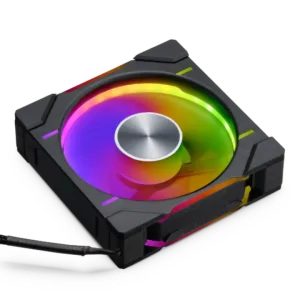
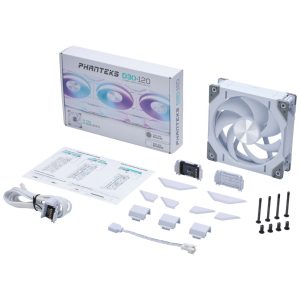
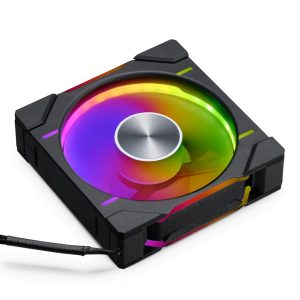
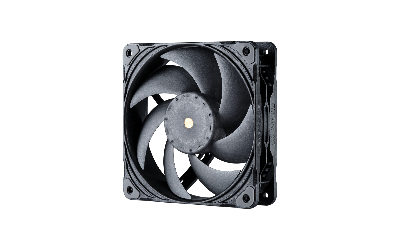
Phanteks D30-140 is a 140 mm 30 mm fan rated 250-1800 RPM with 71.93 CFM and 3.32 mmH2O at 29.5 dBA
More Phanteks fans · All 140mm models · Browse the full fan database
About the Phanteks D30-140 140mm D-RGB Fan White
The D30-140 pairs 71.93 CFM of airflow with 3.32 mmH2O of static pressure, a balance that suits both case ventilation and resistance-heavy spots like radiators or dense front intakes. Its 30 mm thickness is deeper than a standard 25 mm fan, so confirm clearance at the mounting point before buying. The 250 to 1800 RPM range lets you run it slow for everyday use or push it higher under load.
At full speed Phanteks rates the fan at 29.5 dB(A), so expect audible airflow at 1800 RPM and quieter operation nearer the minimum. The Fluid Dynamic Bearing is listed for long-term durability. A 4-Pin PWM daisy-chain connector lets fans share a header, while the separate 3-Pin JST D-RGB connector handles the ARGB lighting in white. The data does not list a price or release year.
Frequently asked questions
Is the Phanteks D30-140 quiet at full speed?
Phanteks rates it at 29.5 dB(A) at its 1800 RPM maximum, so it is audible at full speed. The 250 RPM minimum lets you lower noise for everyday use, though the data does not list a noise figure for lower speeds.
What is the Phanteks D30-140 best used for?
With 71.93 CFM airflow and 3.32 mmH2O static pressure, it suits both case ventilation and higher-resistance locations such as radiators or dense intakes. Its 30 mm thickness means you should check clearance at the mounting point first.
How do I connect the D30-140 fan and its RGB?
It uses a 4-Pin PWM daisy-chain connector for fan power and speed control, plus a separate 3-Pin JST D-RGB connector for the ARGB lighting. The daisy-chain design lets multiple fans share a single PWM header.