| Model | Neptune AN140 IW-FN-AN140-3PK |
|---|---|
| Size | 140 mm |
| Thickness | 25 mm |
| Speed range | 900–1800 RPM |
| Max airflow | 88.89 CFM |
| Max pressure | 2.18 mmH₂O |
| Max noise | 24.5 dBA |
| Bearing | Sleeve Bearing |
| Connector | 4-pin PWM + 3-pin ARGB |
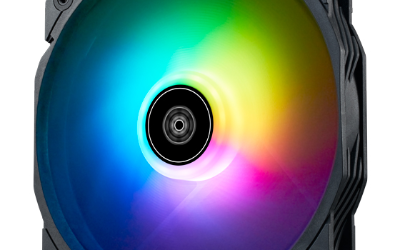
| Lighting | ARGB |
| Colour | Black |
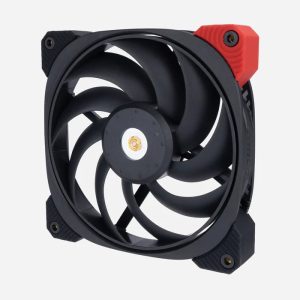
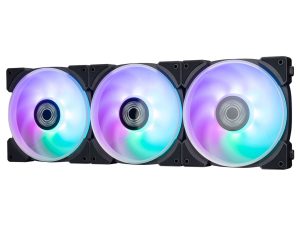
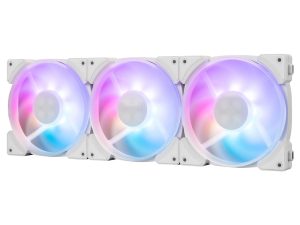
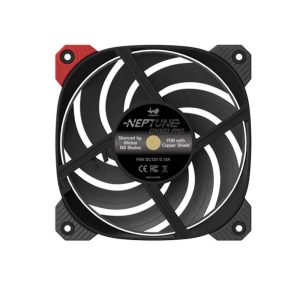
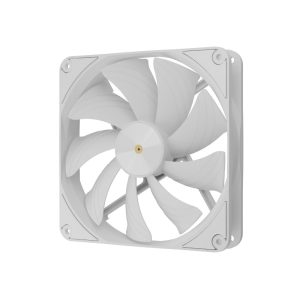
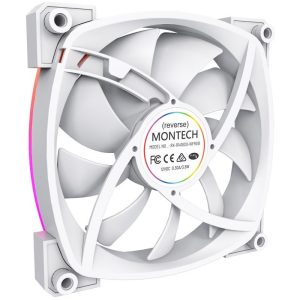
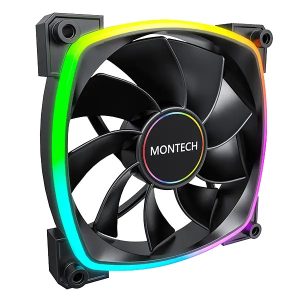
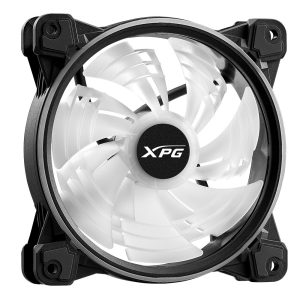
Neptune AN140 IW-FN-AN140-3PK is a 140 mm 25 mm black fan rated 900-1800 RPM 88.89 CFM and 2.18 mmH2O 24.5 dBA
More InWin fans · All 140mm models · Browse the full fan database
About the InWin Neptune AN140 3-Pack Fan
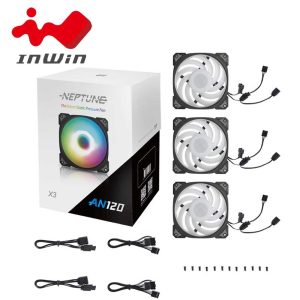
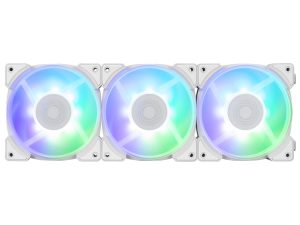
The Neptune AN140 3-Pack gives you three 140mm by 25mm fans rated from 900 to 1800 RPM, with 88.89 CFM of airflow and 2.18 mmH2O of static pressure. That balance of airflow and pressure suits both open case ventilation and radiators or dense front intakes, where pressure matters more. At a listed 24.5 dB(A) maximum, expect audible but moderate noise near full speed; the 900 RPM floor lets you tune down for quieter running.
Each fan uses a 4-pin PWM connector for speed control plus a separate 3-pin ARGB header for lighting, so your motherboard needs both a PWM fan header and an ARGB header per fan, or a splitter or hub. The sleeve bearing is a simpler, lower-cost design. Colour is black. The data does not list a price, release year, warranty or included accessories, so confirm those with the retailer before ordering.
Frequently asked questions
Is the InWin Neptune AN140 3-Pack quiet enough for a silent build?
InWin lists a maximum noise of 24.5 dB(A) at up to 1800 RPM. That is moderate rather than silent, but the 900 RPM minimum lets you run the fans slower for quieter operation using PWM control.
Is the Neptune AN140 better for case airflow or radiators?
It offers 88.89 CFM airflow with 2.18 mmH2O static pressure, so it can serve open case ventilation and also push through radiators or restrictive front intakes where pressure is needed.
What connectors does the Neptune AN140 need, and does it fit a 140mm mount?
Each fan is 140mm wide and 25mm thick with a 4-pin PWM connector plus a 3-pin ARGB connector. You need a PWM fan header and an ARGB header per fan, or a hub or splitter.