| Model | PH-F120D30R_DRGB_PWM_BK01_3P |
|---|---|
| Size | 120 mm |
| Thickness | 30 mm |
| Speed range | 250–2000 RPM |
| Max airflow | 61.5 CFM |
| Max pressure | 2.72 mmH₂O |
| Max noise | 31.8 dBA |
| Bearing | Fluid Dynamic Bearing |
| Connector | 4-Pin PWM Daisy-chain + 3-Pin JST D-RGB |
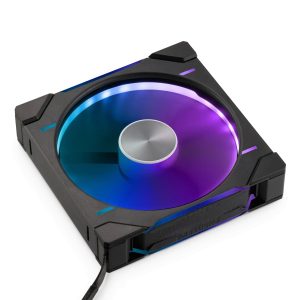
| Lighting | ARGB |
| Colour | Black |
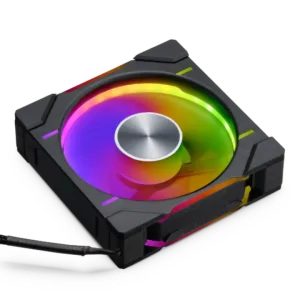
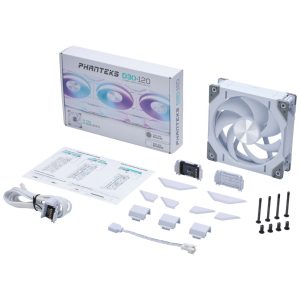
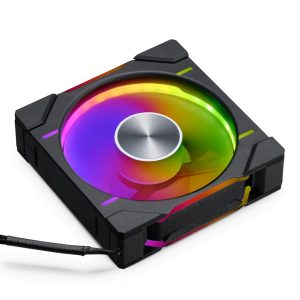
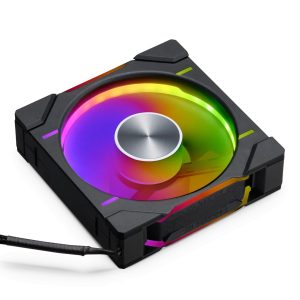
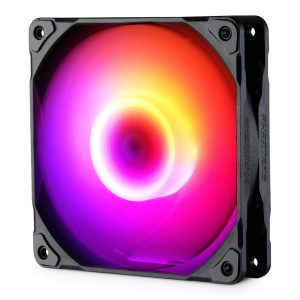
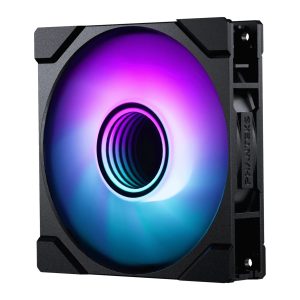
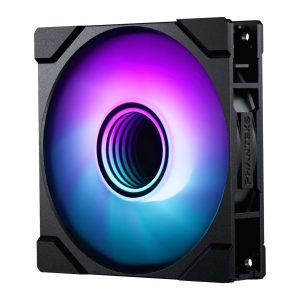
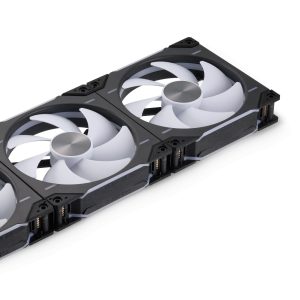
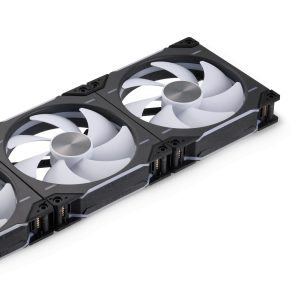
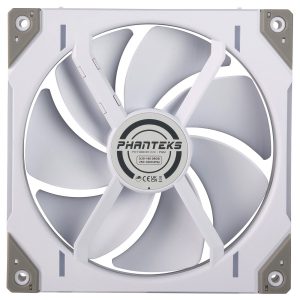
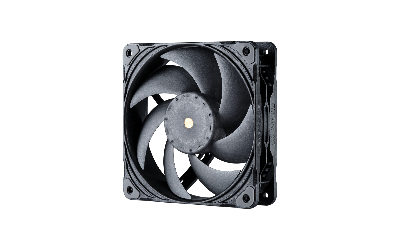
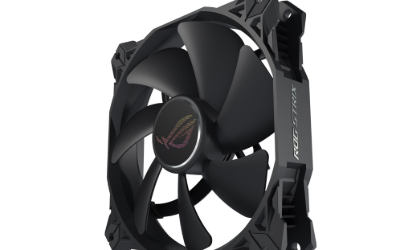
Phanteks D30-120 Reversed is a 120 mm 30 mm fan rated 250-2000 RPM with 61.5 CFM and 2.72 mmH2O at 31.8 dBA
More Phanteks fans · All 120mm models · Browse the full fan database
About the Phanteks D30-120 Reversed 120mm Reverse D-RGB Fan 3-Fan Pack
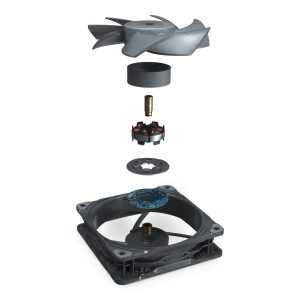
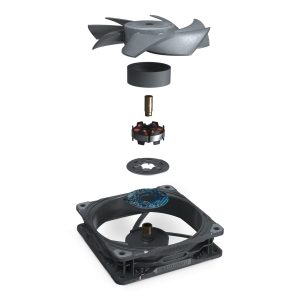
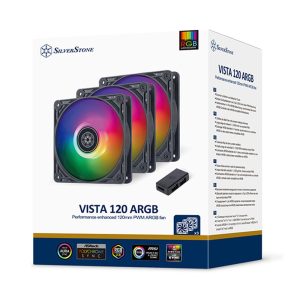
The D30-120 Reversed pack gives you three 120mm fans that are 30mm thick rather than the usual 25mm, which leaves more room for blade depth. At up to 2000 RPM they move 61.5 CFM with 2.72 mmH2O of static pressure, so the balance suits both open case ventilation and resistance such as radiators or dense mesh. The 250 RPM floor lets you idle them slowly. Phanteks rates noise at 31.8 dB(A), which is the figure to expect near full speed; the data does not list a noise value for lower RPM settings.
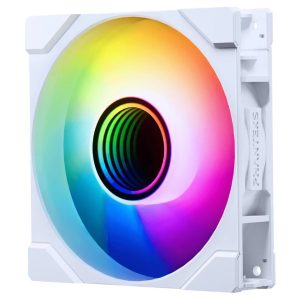
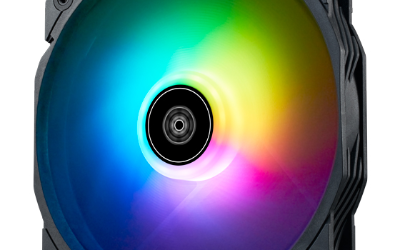
Each fan uses a Fluid Dynamic Bearing and a 4-Pin PWM connector with daisy-chain support, so several fans can share a single header run. Lighting is ARGB through a 3-Pin JST D-RGB connector, so your motherboard or controller needs a compatible D-RGB header. The reverse blade orientation is intended for fans mounted as intake where the frame faces outward. Colour is black. The data does not list a price or release year, so check the retailer for current pricing.
Frequently asked questions
Are the Phanteks D30-120 Reversed fans quiet at full speed?
Phanteks rates them at 31.8 dB(A) at maximum, with a 250 RPM minimum speed. The data does not list noise levels at intermediate RPM, so expect the 31.8 dB(A) figure only near the 2000 RPM ceiling.
What are these reverse-blade fans best for?
The reverse blade design suits intake mounting where the frame faces outward. With 61.5 CFM airflow and 2.72 mmH2O static pressure, they work for case ventilation and for resistance like radiators or mesh, though the data does not rank them against other fans.
Do I need a special header for the D-RGB lighting?
Yes. Lighting runs through a 3-Pin JST D-RGB connector, so you need a compatible ARGB header or controller. Fan power uses a 4-Pin PWM daisy-chain connector, letting multiple fans share one header run.